


POLITICS
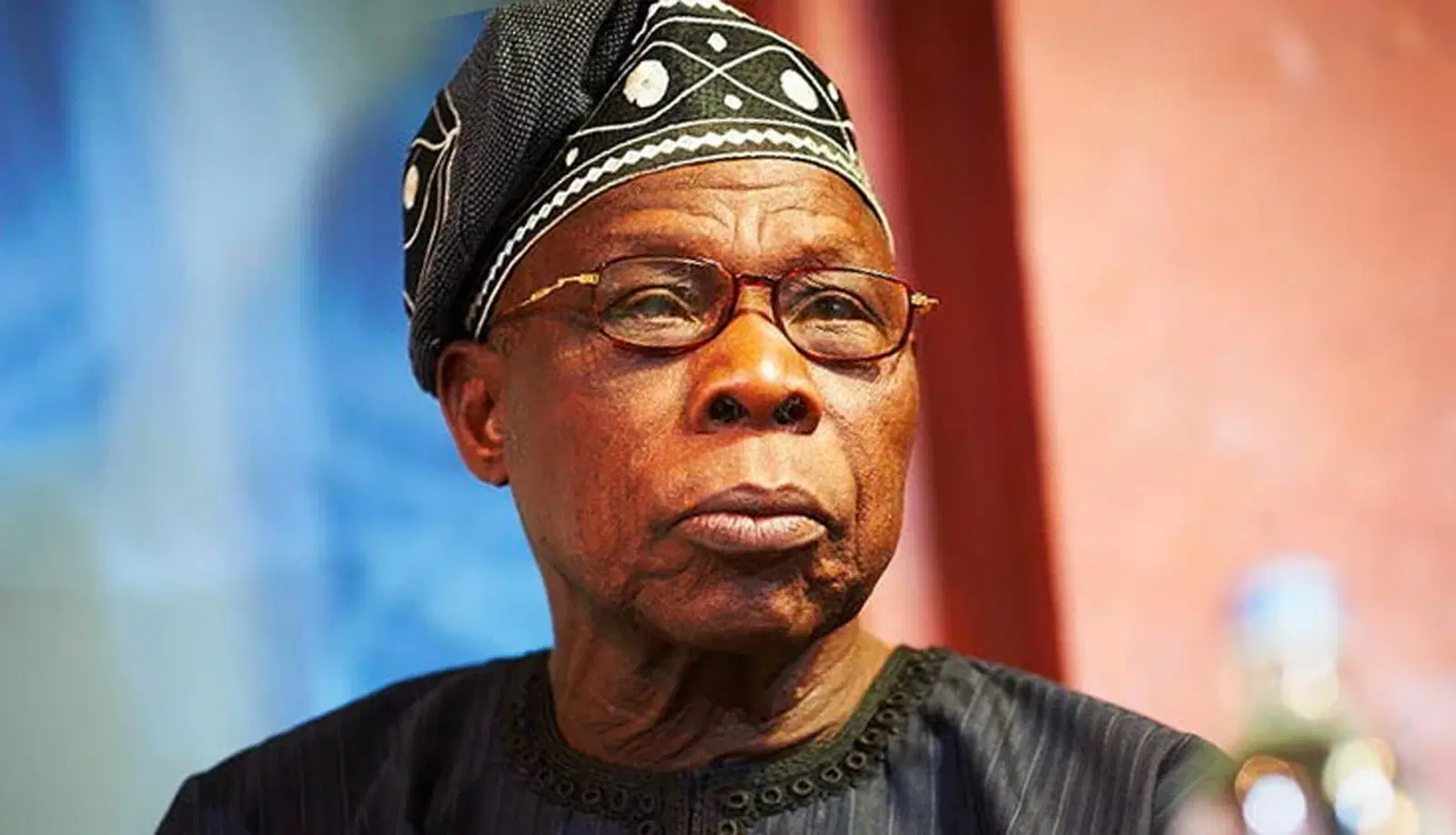
WHY I REJECTED US ASYLUM OFFER BEFORE ABACHA ARRESTED ME — OBASANJO
Former Nigerian President Olusegun Obasanjo has revealed why he turned down an offer of asylum in the United States before his arrest during the military regime of late General Sani Abacha.
Obasanjo's account provides another insight into the political tensions and personal decisions that shaped Nigeria during one of its most difficult periods under military rule.
Abacha's government was widely criticised for its treatment of political opponents, activists and perceived critics of the regime. The period was marked by arrests, restrictions on civil liberties and growing international pressure over human rights concerns.
Obasanjo, who had previously served as Nigeria's military head of state, became one of the prominent figures caught up in the political crisis. His arrest and subsequent imprisonment attracted significant attention both within Nigeria and internationally.
His decision to reject the reported asylum offer suggests that he had reasons for choosing to remain in Nigeria despite the political risks he faced at the time.
The revelation has renewed interest in the experiences of political figures who confronted the challenges of military dictatorship and the difficult choices they made during that period.
Obasanjo later returned to national leadership as Nigeria's elected president in 1999, following the end of military rule. He served two terms, leaving office in 2007.
His latest account adds to discussions about Nigeria's political history, the struggle for democratic governance and the personal sacrifices associated with resisting authoritarian rule.