


HEALTH
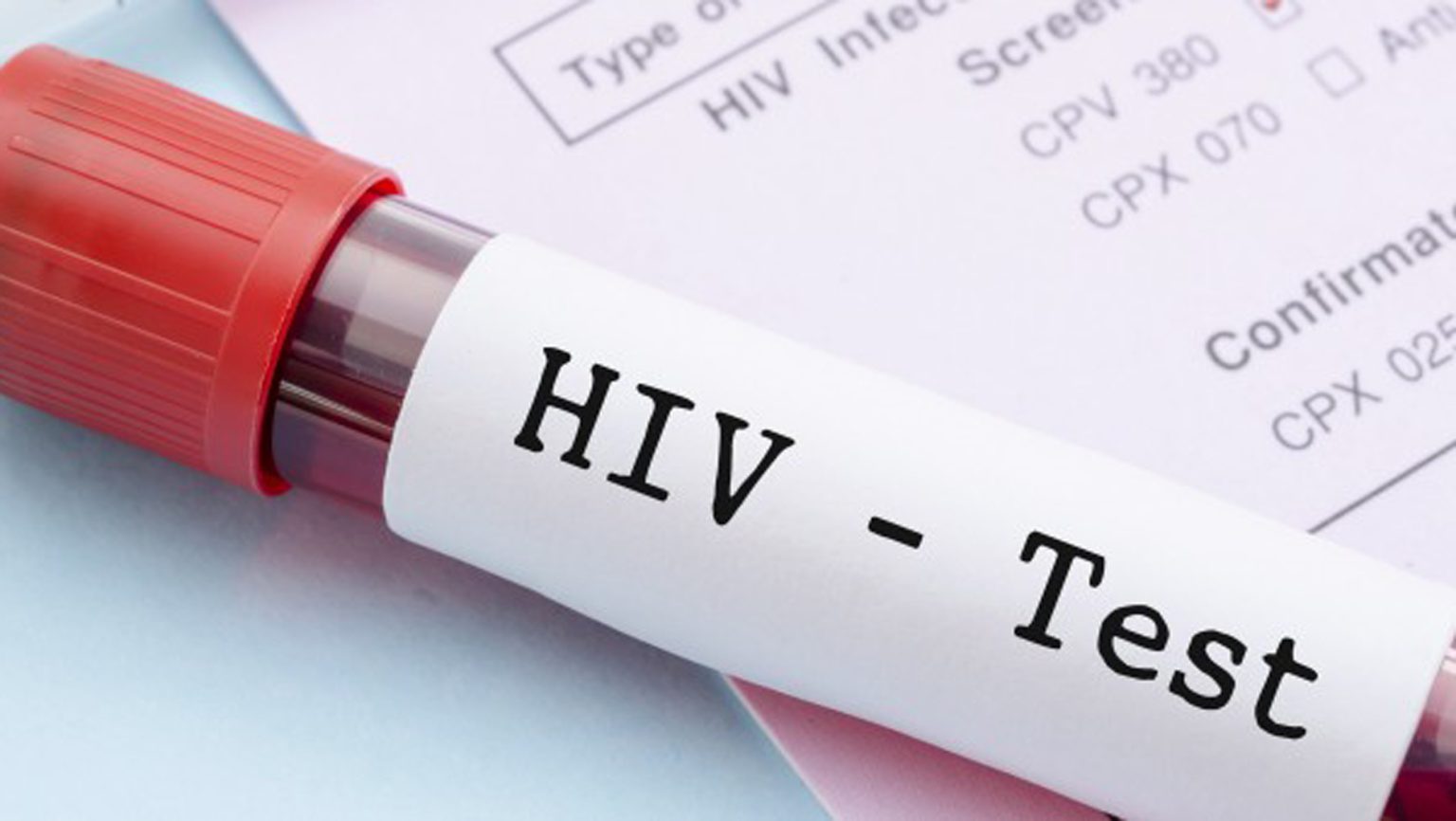
UNAIDS BOARD REJECTS PLAN TO PHASE OUT HIV PROGRAMME
The governing board of the Joint United Nations Programme on HIV/AIDS (UNAIDS) has rejected a proposal to phase out its HIV programme, underscoring continuing concerns about the need to sustain global efforts to prevent new infections and support people living with the virus.
The decision highlights the importance of maintaining international cooperation in the fight against HIV/AIDS, particularly as funding pressures and changes in global health priorities threaten the continuity of essential services in many countries.
UNAIDS plays a central role in coordinating international efforts to end AIDS as a public health threat. Its work includes supporting prevention strategies, expanding access to testing and treatment, promoting human rights and helping countries strengthen their responses to the epidemic.
Phasing out the programme could have significant implications for countries that depend on international technical support, data analysis and coordination to implement HIV policies. Such a move could also affect efforts to reach vulnerable populations and ensure that people living with HIV receive appropriate care.
The board’s rejection signals the continued importance of a coordinated global response, particularly in regions where HIV remains a major public health challenge. Sub-Saharan Africa continues to account for a substantial share of the global HIV burden, making sustained prevention and treatment programmes especially important.
Health experts have consistently stressed that interruptions in treatment and prevention services can undermine progress against the epidemic. Consistent access to antiretroviral therapy helps people living with HIV maintain their health and reduces the risk of transmitting the virus.
However, sustaining these programmes requires reliable funding, effective partnerships and strong national health systems. Governments, donors and international organisations must work together to ensure that essential services remain accessible and that resources are used efficiently.
For countries such as Nigeria, continued international coordination and technical assistance can support efforts to expand testing, improve treatment access and reduce stigma against people living with HIV.
The board’s decision reinforces the need to maintain momentum in the global HIV response while exploring sustainable financing arrangements to protect the gains achieved over several decades.