


BREAKING NEWS
UBEC PLANS ANNUAL GRANTS TO HELP PUBLIC PRIMARY SCHOOLS MEET URGENT NEEDS
The Universal Basic Education Commission says public primary schools will receive annual grants under the Federal Government’s $152 million HOPE-EDU programme to improve facilities and learning conditions.
The grants are intended to help school managers address immediate needs, including minor repairs and improvements to school environments, without waiting for interventions from higher authorities.
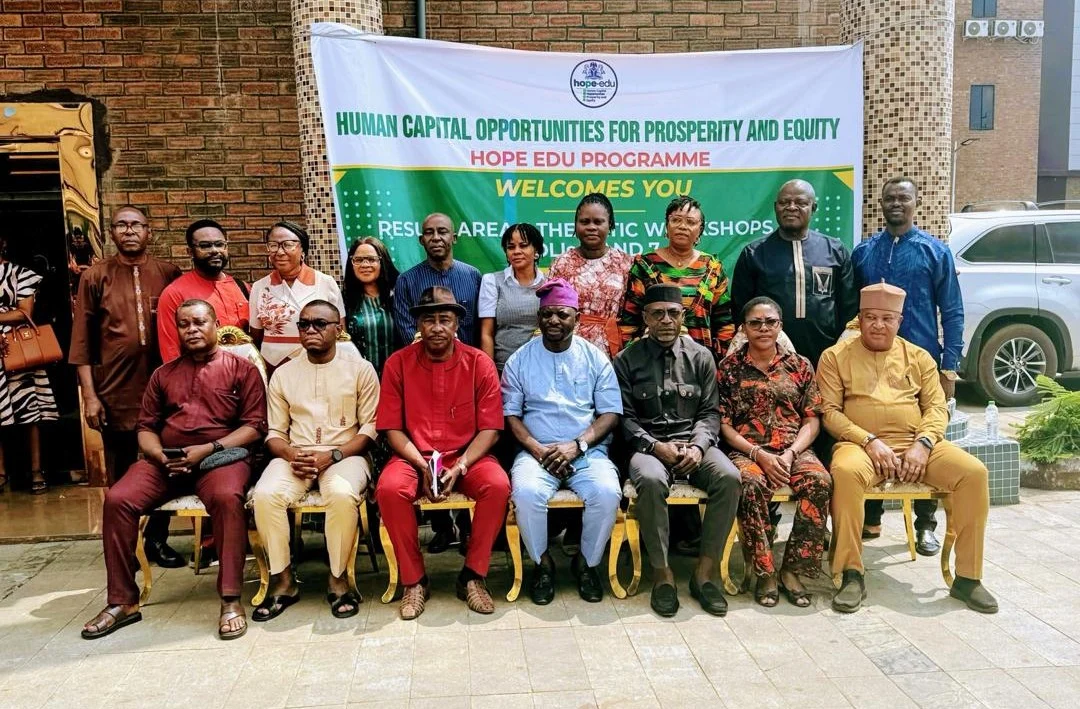
HOPE-EDU Programme Manager Oluwomayowa Aleshin announced the plans on Wednesday at a regional workshop in Asaba, Delta State, for officials from the South-South and South-East.
He said the programme aims to return out-of-school children to classrooms, improve facilities and strengthen basic education.
Funding will follow a performance-based system, with states required to meet agreed targets before receiving funds.
According to Aleshin, independent verification agents will assess results submitted by states before payments are approved. States are also expected to decentralise funding to local governments and schools.
UBEC Executive Secretary Dr Aisha Garba, represented by South-South Director Akpanosson Udoh, said school grants would support quicker decisions and improve accountability.
She said the initiative would give school managers greater responsibility for creating safe and welcoming learning environments.
However, Garba identified delayed funding, difficulties accessing counterpart funds, unclear regulations and limited staff capacity as potential obstacles.
She urged state officials to develop practical solutions, stressing that successful implementation would require coordination across state governments, local authorities and schools.
The workshop is preparing participating states to implement decentralised education funding and the rules governing annual school grants.