


NATIONAL SECURITY
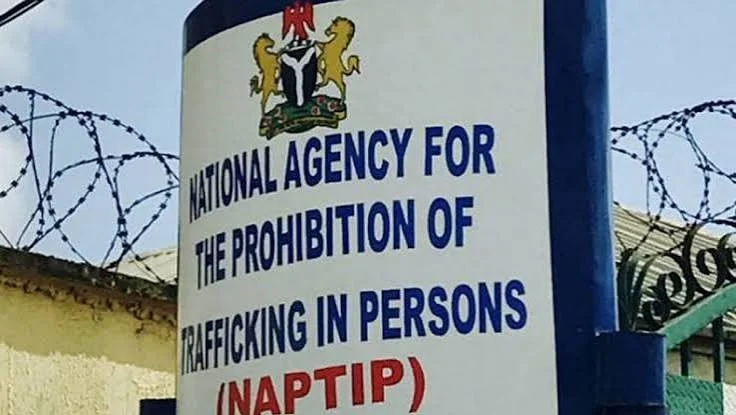
TRAFFICKERS NOW LURE VICTIMS AT GYMS, WITH FAKE JOBS — NAPTIP
The National Agency for the Prohibition of Trafficking in Persons (NAPTIP) has raised concerns over increasingly sophisticated methods used by human traffickers to recruit unsuspecting Nigerians, warning that criminals are exploiting everyday social activities and fake employment opportunities to identify potential victims.
The agency has warned that recruitment tactics are no longer limited to vulnerable communities or online advertisements, as traffickers increasingly exploit places where young people gather, including gyms, while using attractive job offers to gain their trust.
Fake employment opportunities, overseas scholarships, modelling contracts and promises of lucrative business arrangements have become common methods used to deceive job seekers. Victims are often promised better living conditions and financial security before discovering that the opportunities are designed to expose them to exploitation.
NAPTIP has also highlighted the growing use of social media platforms by trafficking networks to identify and approach potential victims. Some criminal groups reportedly build relationships with individuals before offering them opportunities that eventually lead to forced labour, sexual exploitation or involvement in organised online fraud.
The warning comes amid growing concerns about international trafficking networks targeting young Nigerians seeking employment and better opportunities abroad. In some cases, victims have their passports and mobile phones confiscated after arriving at their destinations and are forced to work under threats and intimidation.
The agency has repeatedly urged Nigerians to verify job offers, recruitment agencies and travel arrangements before accepting opportunities. People should also be suspicious of offers involving unrealistic salaries, secretive recruitment processes or demands for unexplained payments.
NAPTIP's warning highlights the need for greater public awareness and vigilance, particularly among young people searching for employment.
The agency has called for stronger cooperation among families, communities, security organisations and government institutions to identify suspicious recruitment activities and prevent more Nigerians from falling victim to human trafficking.
Human trafficking remains a serious crime, and early reporting of suspicious approaches could help protect potential victims and expose criminal networks.