


TECHNOLOGY
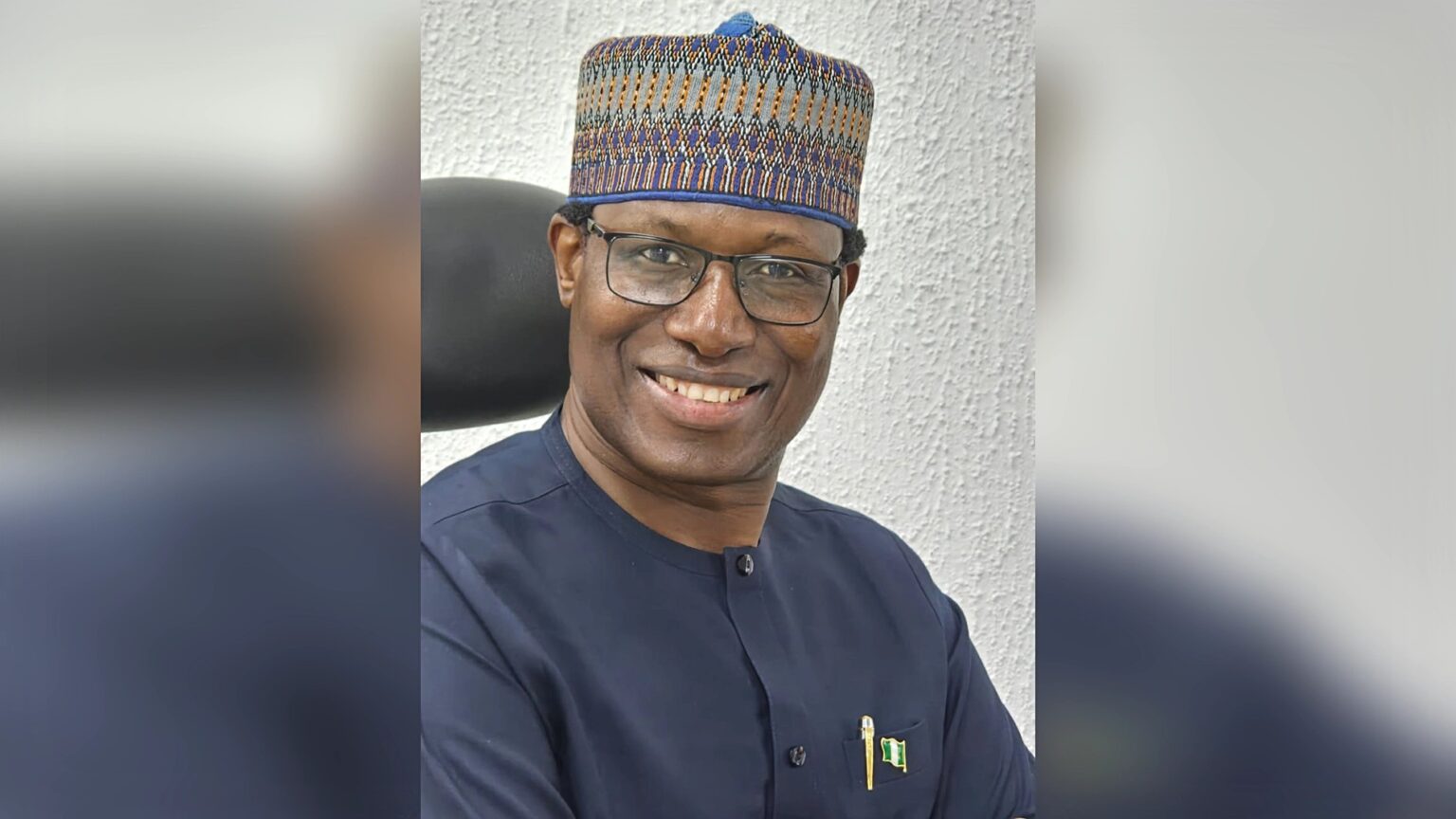
TELCOS HAVE COMPENSATED 75 MILLION SUBSCRIBERS, BUT THE REAL FIX LIES IN INFRASTRUCTURE — ADEBAYO
More than 75 million Nigerian telecommunications subscribers have received airtime compensation for poor network services, but industry leaders say lasting improvements will depend on investment in infrastructure rather than financial compensation.
The Chairman of the Association of Licensed Telecommunications Operators of Nigeria (ALTON), Gbenga Adebayo, acknowledged the Nigerian Communications Commission's (NCC) efforts to protect consumers through its compensation framework. However, he stressed that the industry's priority should be preventing service failures instead of compensating customers after they occur.
The NCC introduced the Consumer Compensation Framework in March 2026, with implementation beginning in April. Under the arrangement, telecommunications operators are required to automatically credit eligible subscribers in locations where network performance falls below prescribed standards for voice calls, data and SMS services.
Adebayo described the initiative as an important step towards consumer protection but maintained that airtime credits cannot address the infrastructure problems responsible for poor connectivity.
According to industry data, inadequate electricity supply accounts for approximately 40 per cent of quality-of-service incidents, while fibre-optic cable disruptions contribute 29 per cent. Security-related challenges account for another seven per cent.
Telecommunications operators also face rising operational expenses, particularly from electricity and diesel consumption. Damage to fibre-optic cables during road construction, vandalism and theft of equipment have further complicated efforts to maintain reliable services.
Adebayo disclosed that operators invested ₦2.13 trillion in capital expenditure in 2025 and committed another ₦1.86 trillion for 2026 to expand networks, upgrade technology and strengthen infrastructure.
He argued that the success of the compensation framework should ultimately be measured by improved network performance and fewer complaints from subscribers.
He called for stronger collaboration between government agencies, infrastructure providers and telecommunications companies to address electricity supply, fibre protection and right-of-way challenges.
According to him, the best compensation subscribers can receive is a reliable network that makes compensation unnecessary.