


HEALTH
TB NETWORK WARNS OF IMPENDING EPIDEMIC
The TB Network has raised concerns over the growing threat of tuberculosis (TB), warning that inadequate prevention, early diagnosis and treatment could worsen the disease burden and increase the risk of a wider public health crisis.
The warning highlights the need for urgent action from government agencies, healthcare providers and communities to strengthen efforts against a disease that continues to affect millions of people globally.
Tuberculosis is an infectious disease caused by bacteria that primarily affects the lungs, although it can also affect other parts of the body. It spreads through the air when an infected person releases bacteria by coughing, sneezing or speaking.
Common symptoms include a persistent cough, fever, night sweats, weight loss, chest pain and fatigue. However, many people may delay seeking medical attention, allowing the infection to spread to others.
The TB Network's concerns point to the importance of improving access to screening, testing and effective treatment, particularly among vulnerable populations and communities with limited healthcare facilities.
Nigeria remains among the countries carrying a significant burden of tuberculosis. Challenges such as late diagnosis, inadequate awareness, treatment interruptions and the emergence of drug-resistant TB make sustained intervention particularly important.
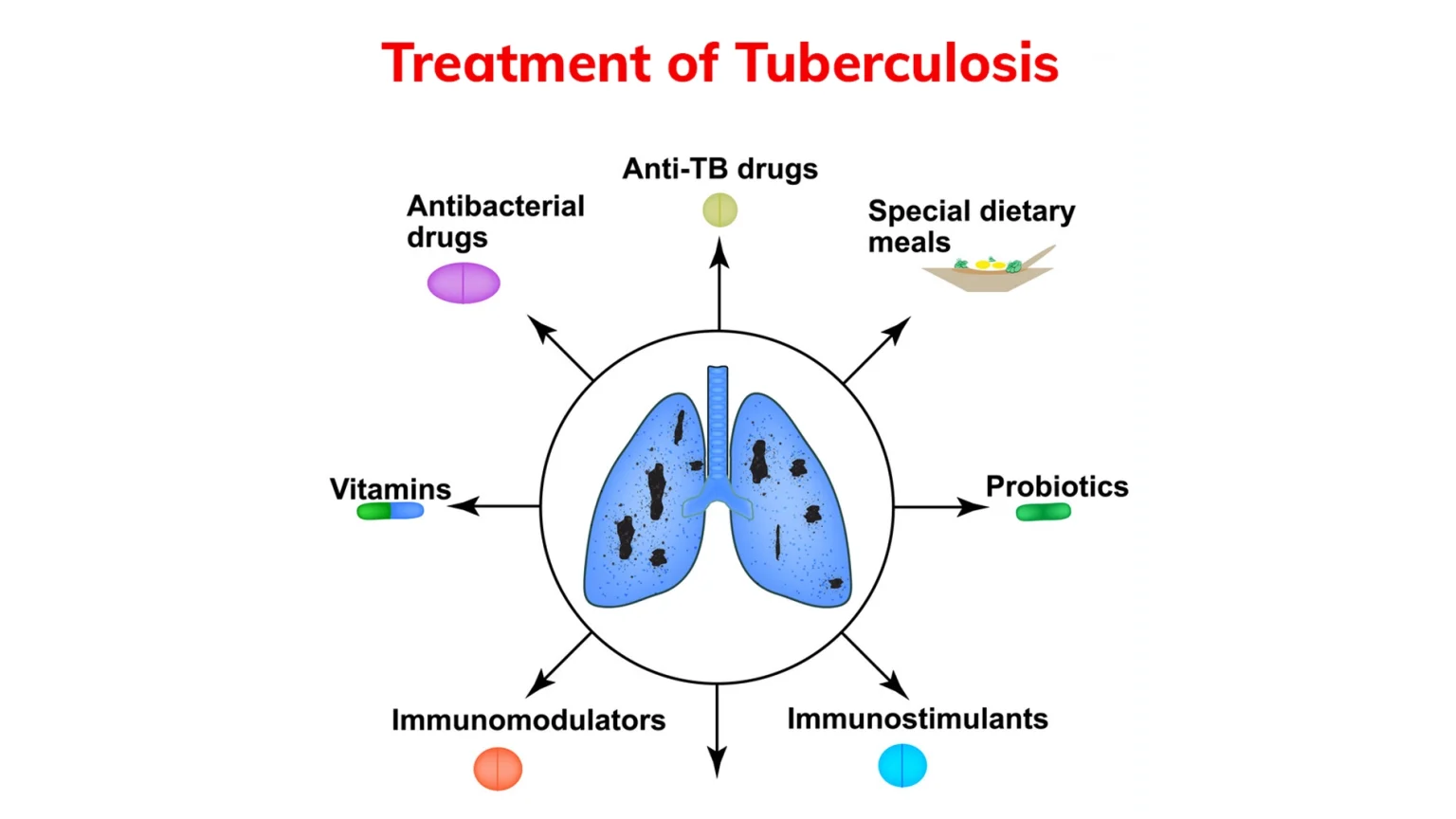
Public health experts have consistently stressed that tuberculosis is preventable and curable when detected early and treated properly. However, successful control requires patients to complete prescribed treatment and healthcare systems to ensure that essential medicines and diagnostic services remain accessible.
The warning serves as a reminder that preventing a larger outbreak requires coordinated action rather than waiting for cases to escalate. Stronger public awareness, improved surveillance, reliable funding and wider access to treatment will be essential in tackling the threat.