


METRO
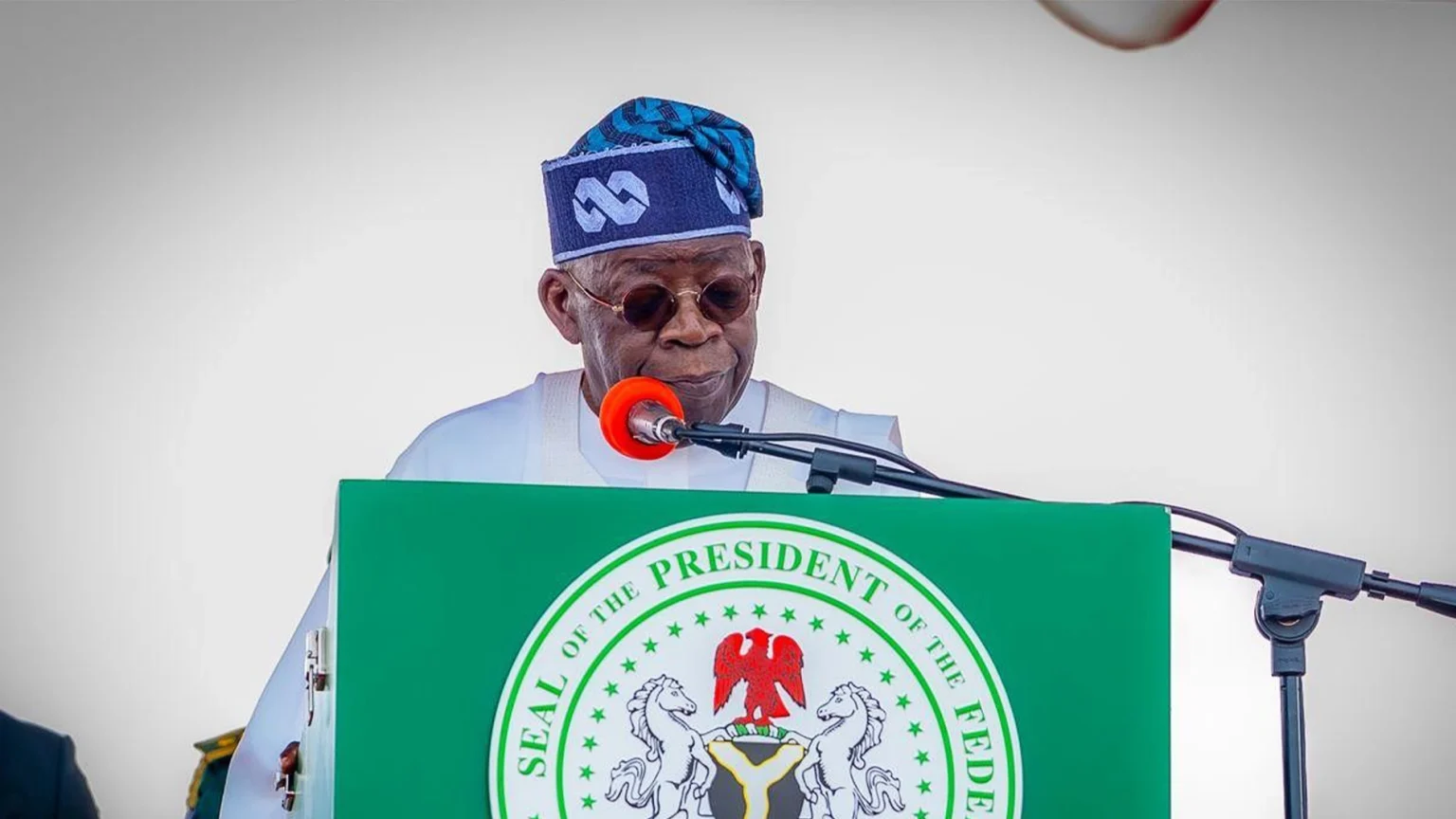
STATE POLICE BILL CLEARS HURDLE AS TINUBU PUSHES INTELLIGENCE-LED SECURITY
The proposed state police bill has cleared another legislative hurdle, bringing Nigeria closer to a major reform of its security structure as President Bola Tinubu continues to advocate intelligence-led approaches to tackling insecurity.
The development has renewed attention on calls for decentralised policing, with supporters arguing that allowing states to establish their own police forces could improve responses to security threats at the community level.
Proponents of state police believe that local security agencies would have a better understanding of the communities they serve and could respond more quickly to incidents such as kidnapping, banditry and communal violence.
However, the proposal has also generated concerns about possible political interference, abuse of power and the capacity of state governments to fund and manage independent police structures.
Tinubu has repeatedly emphasised the need for stronger intelligence gathering, improved coordination among security agencies and greater use of technology to address Nigeria's security challenges.
The president's position reflects growing recognition that conventional security operations must be supported by reliable intelligence, modern equipment and effective information sharing.
Nigeria continues to battle terrorism, banditry, kidnapping and other criminal activities across several regions, placing pressure on authorities to consider new strategies.
The progress of the state police bill represents an important step in the ongoing debate over security reform. However, further legislative processes and constitutional considerations will determine whether the proposal eventually becomes law.
Stakeholders are expected to continue examining how decentralised policing can be implemented while maintaining accountability, professionalism and respect for citizens' rights.