


POLITICS
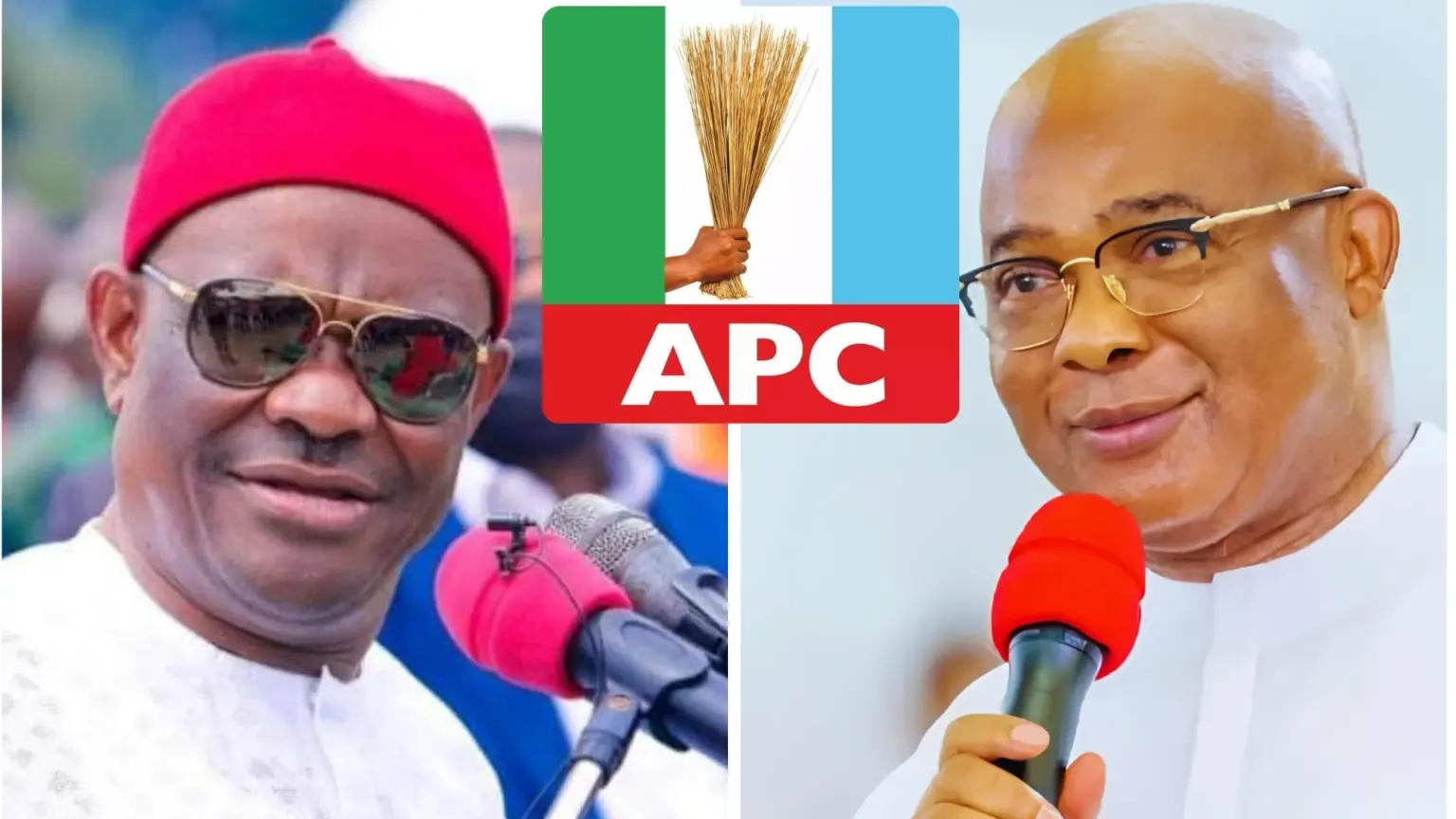
SOUTH-EAST: BETWEEN UZODIMMA, OKOROCHA AND WIKE’S RAINBOW COALITION
Political developments in the South-East are attracting renewed attention as discussions surrounding a possible political realignment involving Imo State Governor Hope Uzodimma, former governor Rochas Okorocha and Minister of the Federal Capital Territory, Nyesom Wike, generate interest ahead of the 2027 general elections.
The emerging political calculations reflect the growing importance of alliances, consultations and strategic relationships as political actors position themselves for the next electoral cycle.
Uzodimma remains an influential figure within the All Progressives Congress (APC) in the South-East, while Okorocha retains political connections and a history of influence in Imo State. Wike, although from Rivers State in the South-South, has also become a prominent figure in national political discussions because of his relationship with key political stakeholders across party lines.
A coalition involving these political figures could have implications for the balance of political influence in the region, particularly as parties seek stronger support ahead of the presidential and legislative elections.
However, political alliances in Nigeria are often shaped by competing interests, personal ambitions and negotiations over party structures and electoral strategies. Maintaining a united front can therefore prove challenging, especially where stakeholders have different political priorities.
For the South-East, the central question remains how political realignments will translate into greater representation, influence and development for the region.
As 2027 approaches, the relationships among Uzodimma, Okorocha and Wike will remain subjects of political interest. Whether their interests can produce a lasting coalition or remain part of broader political manoeuvring will become clearer as consultations and party activities intensify.