


ENERGY
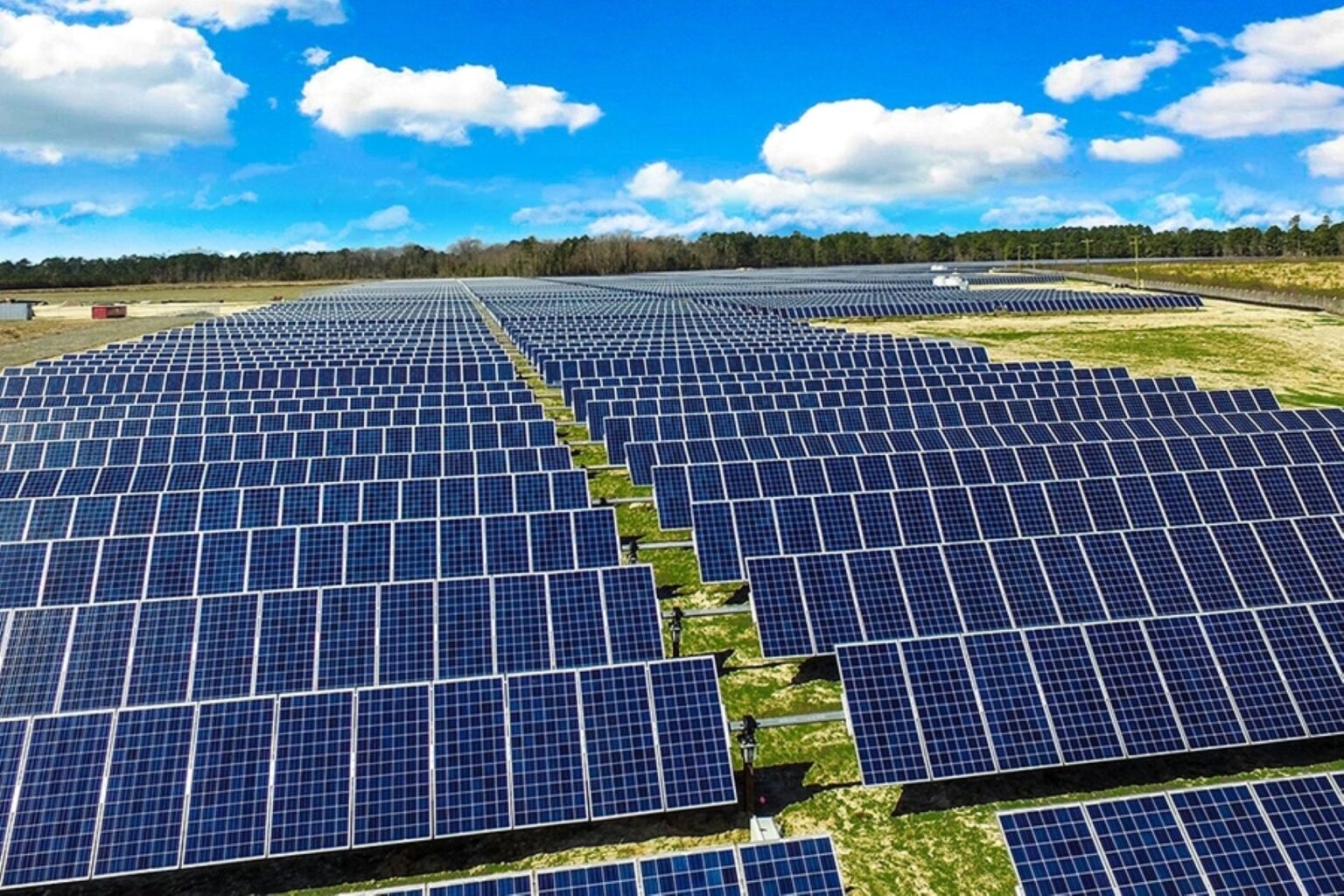
SOLAR UPTAKE TESTS DISCOS’ REVENUE MODEL AS GRID SUPPLY FALTERS
The growing adoption of solar energy systems by Nigerian households and businesses is putting increasing pressure on the revenue model of electricity distribution companies (DisCos), as consumers seek alternatives to unreliable grid electricity.
With frequent power outages, rising electricity costs and uncertainty surrounding grid supply, more Nigerians are investing in solar panels, batteries and inverters to secure a more dependable source of electricity.
The shift is gradually changing electricity consumption patterns, particularly among commercial customers and higher-income households that can afford the initial cost of installing alternative energy systems.
For DisCos, the development presents a major business challenge because their traditional revenue model depends largely on selling electricity supplied through the national grid. As more customers reduce their dependence on grid power, electricity purchases and revenue collections could come under pressure.
The situation also raises concerns about the long-term sustainability of distribution companies, which are already dealing with financial difficulties, collection challenges and rising operational costs.
However, the expansion of solar energy also presents opportunities for the electricity sector. Industry stakeholders believe DisCos could explore new business models by investing in distributed renewable energy, partnering with solar companies and offering electricity solutions beyond conventional grid distribution.
Nigeria's abundant sunlight and the declining cost of some renewable energy technologies have made solar power increasingly attractive to consumers seeking alternatives to diesel and petrol generators.
The Federal Government has also been promoting renewable energy adoption through policies and programmes aimed at expanding electricity access and encouraging private investment.
Energy experts argue that rather than viewing solar adoption solely as a threat, DisCos should adapt to the changing market by developing partnerships and integrating renewable energy into their operations.
The growing shift towards solar power highlights the need for reforms that make electricity supply more reliable, affordable and commercially sustainable.
Ultimately, the future of Nigeria's electricity market may depend on how quickly traditional power providers adapt to consumers who increasingly want greater control over their energy supply.