


FRIDAY SPORTS
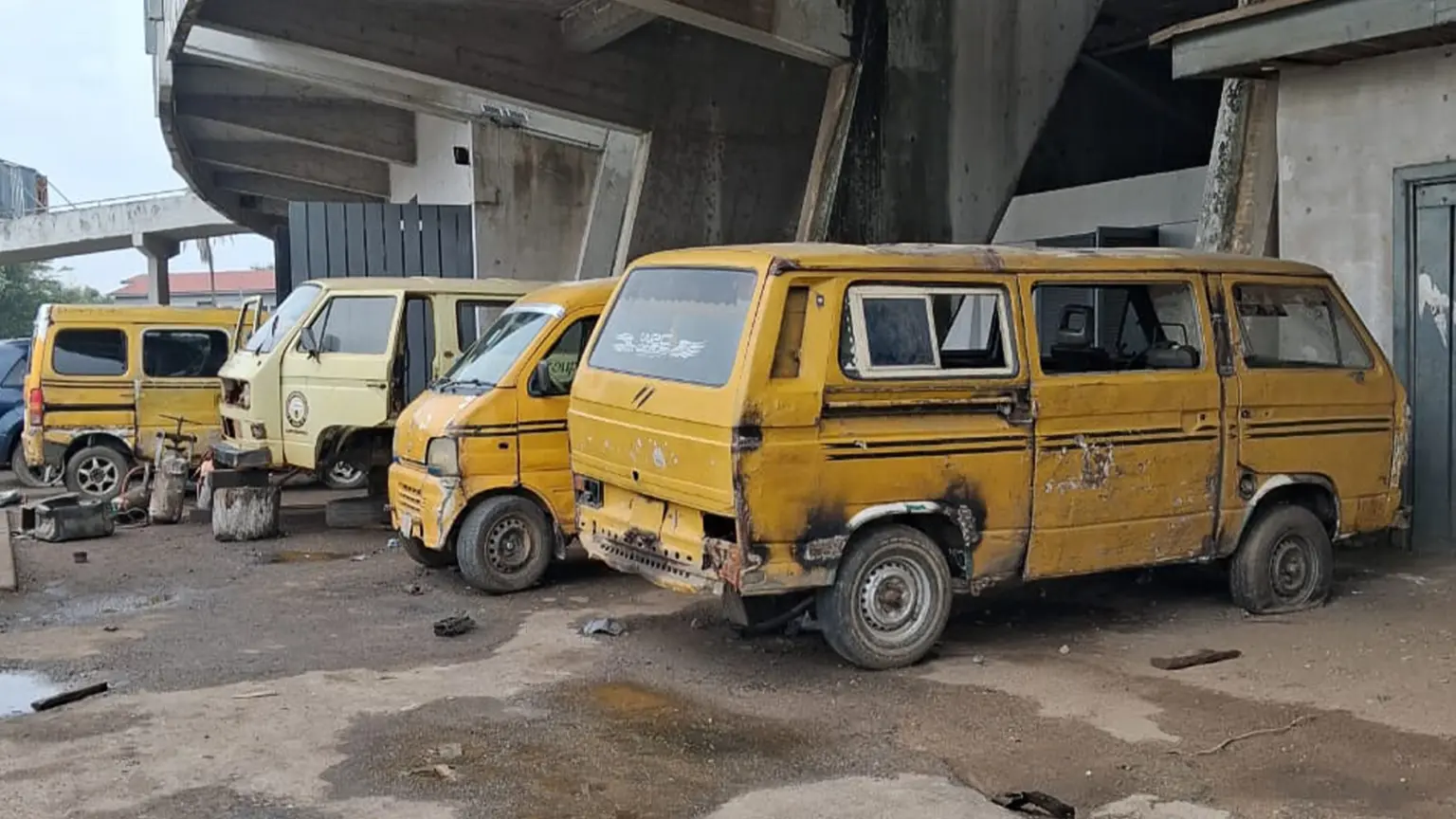
SLIM HOPES FOR INT’L GAMES AS NATIONAL STADIUMS ROT AWAY
Nigeria’s hopes of hosting major international sporting competitions are fading as several national stadiums continue to deteriorate, raising concerns about the country’s readiness to meet modern sporting standards.
The poor condition of key sporting facilities has renewed calls for urgent government intervention to rehabilitate stadiums, improve maintenance and restore the infrastructure needed to host international events.
National stadiums are essential to the development of sports, providing venues for major competitions, training programmes and talent development. However, years of inadequate maintenance, ageing infrastructure and insufficient investment have left some facilities struggling to meet the requirements of international sporting bodies.
The situation could limit Nigeria’s ability to attract prestigious competitions, which often generate tourism, create employment and stimulate economic activity. Hosting international events can also improve a country’s sporting profile and provide local athletes with opportunities to compete before home supporters.
Nigeria’s major stadiums, including the National Stadium in Lagos and the Moshood Abiola National Stadium in Abuja, have faced longstanding concerns over infrastructure and maintenance. Although rehabilitation efforts have been undertaken at different times, stakeholders continue to stress the need for consistent investment and effective facility management.
Sports administrators and enthusiasts have called on the Federal Government and relevant agencies to prioritise stadium renovation, modernise facilities and establish sustainable maintenance programmes.
They argue that rehabilitation should go beyond cosmetic improvements to include playing surfaces, seating, lighting, changing rooms, medical facilities, security systems and other requirements for international competitions.
Stakeholders have also urged authorities to explore public-private partnerships and other funding models that could reduce the financial burden on government while ensuring that facilities remain functional.
The condition of the stadiums has wider implications for grassroots sports and athlete development, as inadequate training and competition venues can undermine performance and discourage participation.
Without sustained investment and proper management, Nigeria risks losing opportunities to host major sporting events to countries with better facilities. Restoring the country’s stadiums would therefore be an important step towards strengthening its sporting ambitions and improving the environment for athletes and fans alike.