


WORLD
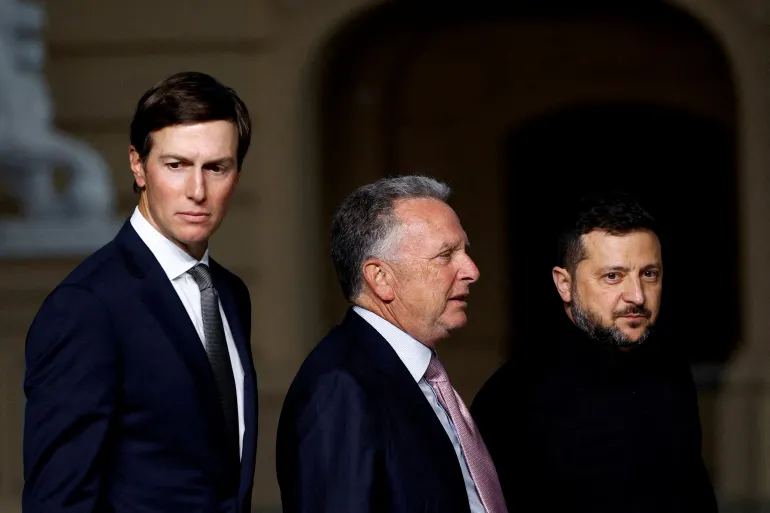
RUSSIA, UKRAINE AND US OFFICIALS HOLD TALKS IN ABU DHABI
Negotiators from Russia, Ukraine and the United States met in Abu Dhabi on Tuesday for renewed efforts to end the war, with security guarantees and territorial disputes among the central issues.
President Donald Trump’s envoys, Steve Witkoff and Jared Kushner, are leading Washington’s delegation. Russian presidential aide Vladimir Medinsky heads Moscow’s team, while Rustem Umerov leads Ukraine’s representatives.
The meeting follows earlier consultations in Abu Dhabi and the delegations’ last encounter in Geneva on February 18.
Ahead of the talks, Ukrainian President Volodymyr Zelenskyy said recent military operations had strengthened Kyiv’s negotiating position.
He claimed Russia was suffering record losses and that Ukrainian long-range attacks on oil facilities and other targets were having an impact. Moscow disputes his claims about its losses.
Zelenskyy urged the United States to persuade Russia to end the conflict.
Trump expressed optimism, saying both sides were tired of fighting and showed a “very strong inclination” towards ending the war.
However, US Secretary of State Marco Rubio offered a more cautious assessment, saying the process still had “a ways to go.”
An unnamed US official said both countries had privately shown some flexibility over territory. The official added that discussions would examine security guarantees for Ukraine, potentially including a commitment modelled on NATO’s collective-defence principle.
Publicly, the two sides remain far apart. Ukraine wants its internationally recognised borders restored, while Russia demands control of the entire Donbas region.
The US official suggested that any territorial agreement would likely follow progress on other issues, including arrangements for Ukraine’s security after the war.
European governments are sending officials to Abu Dhabi, but Russia insists the main negotiations will remain limited to the three delegations.
Kremlin spokesman Dmitry Peskov said Washington and Kyiv could consult European partners through their separate diplomatic channels.