


POLITICS &POLICY
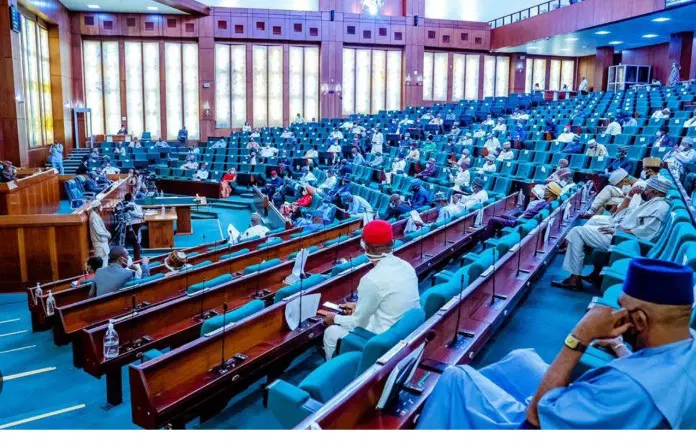
REPS HAIL UNANIMOUS APPROVAL OF STATE POLICE BY 36 ASSEMBLIES
The House of Representatives has welcomed the unanimous approval of the proposed establishment of state police by the 36 State Houses of Assembly, describing the development as a major step towards restructuring Nigeria’s security architecture.
The approval represents an important milestone in ongoing efforts to amend the Constitution to allow states to establish and manage their own police forces.
The House spokesman, Akin Rotimi Jr., disclosed the development in a statement issued in Abuja on Tuesday, November 17, 2026. He described the unanimous endorsement as a significant milestone in the country's ongoing constitutional amendment process.
The Clerk to the National Assembly, Kamoru Ogunlana, had earlier confirmed that all 36 state legislatures approved the bill, exceeding the constitutional requirement of at least 24 assemblies under Section 9(2) of the 1999 Constitution.
Ogunlana explained that his office had completed the verification of the resolutions submitted by the state assemblies and confirmed that the bill had satisfied the constitutional and administrative requirements for transmission to President Bola Tinubu for assent.
He said the National Assembly leadership had briefly delayed transmission to allow broader consultations and secure wider agreement among the states.
The proposed legislation seeks to amend the Constitution to establish State Police Services alongside the existing Federal Police Service. Supporters argue that decentralising policing could improve security responses by allowing states to address threats within their territories more directly.
The House of Representatives commended the 36 state governors, speakers and members of the assemblies, as well as other stakeholders, for their cooperation in advancing the proposal.
However, the unanimous approval by the state assemblies does not mean state police have commenced operations. The constitutional amendment must still complete the required legislative and presidential assent processes before the new framework can take effect.
The development marks a major step in Nigeria's efforts to reform its policing structure amid persistent security challenges across the country.