


BUSINESS &ECOMONY
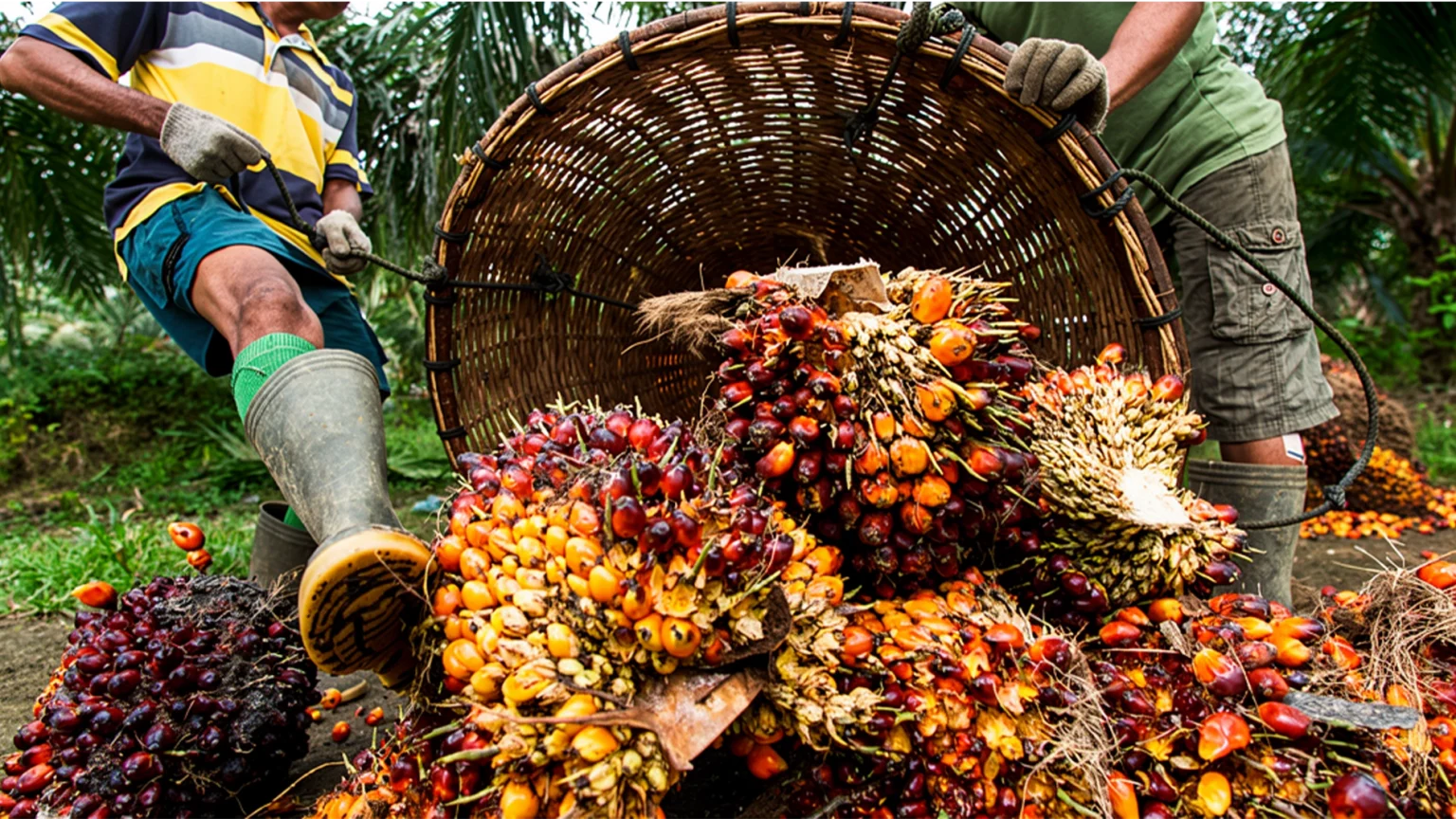
PALMCREST EYES 5% CONTRIBUTION TO NIGERIA’S PALM OIL PRODUCTION
PalmCrest has set its sights on contributing five per cent of Nigeria’s palm oil production, signalling ambitions to expand its role in the country’s agricultural sector and help reduce dependence on imported palm oil.
The target comes amid renewed calls for increased domestic investment in oil palm cultivation, processing and value-chain development to meet local demand and strengthen Nigeria’s food security.
Palm oil remains an important raw material for food processing, soap production, cosmetics and other manufacturing activities. However, domestic production has struggled to keep pace with growing demand, creating supply gaps and increasing pressure on manufacturers that depend on the commodity.
PalmCrest’s ambition reflects the opportunities available to investors willing to expand production capacity, improve processing efficiency and develop reliable supply chains.
Achieving a five per cent share of national production would require sustained investment in plantations, improved agricultural practices, processing facilities and distribution networks. It would also depend on access to quality seedlings, adequate financing, skilled labour and infrastructure to move products from farms to markets.
Industry stakeholders have repeatedly identified oil palm as a strategic crop capable of supporting rural employment, improving farmers’ incomes and generating additional value from Nigeria’s agricultural resources.
Expanding local production could also reduce foreign exchange spent on imports while creating opportunities for smallholder farmers and businesses involved in harvesting, processing and distribution.
However, sector growth remains constrained by factors including ageing plantations, limited access to modern technology, land availability and the high cost of establishing new farms.
PalmCrest’s proposed contribution would therefore depend on its ability to scale production and work with relevant stakeholders across the value chain.
A stronger domestic palm oil industry could support industrial development, create jobs and improve Nigeria’s capacity to meet its growing consumption needs.