


POLITICS
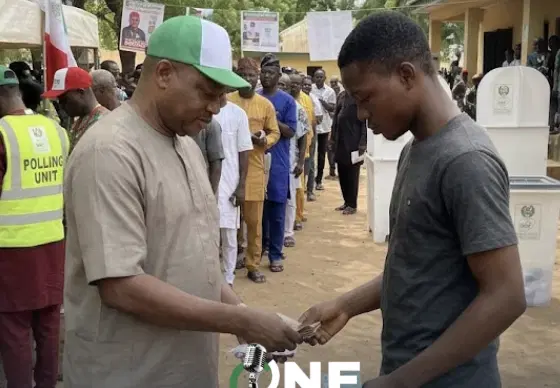
ONE VOTE: WHY DOES VOTE BUYING CONTINUE DESPITE PUBLIC CRITICISM?
Vote buying remains a persistent feature of Nigeria's electoral process despite widespread public criticism, repeated warnings from electoral authorities and calls for credible elections. The practice, in which politicians or their agents offer money, food or other incentives in exchange for votes, continues to undermine democratic participation and public confidence in elections.
One major reason vote buying persists is poverty and economic hardship. For many struggling households, the money or items offered during elections can provide immediate relief, making it difficult for some voters to reject such incentives. Politicians exploit these economic vulnerabilities to influence electoral decisions.
Weak enforcement of electoral laws also contributes to the problem. Although Nigeria's Electoral Act prohibits vote buying and selling, identifying offenders, gathering sufficient evidence and securing convictions remain significant challenges. This creates an impression that perpetrators can engage in the practice without facing serious consequences.
Another factor is the high cost of political competition. Some candidates and political actors view vote buying as a strategy for securing electoral victory, particularly in closely contested elections where small differences in votes can determine the outcome.
Political patronage and a lack of trust in public institutions further encourage the practice. Where voters have little confidence that elected officials will deliver on campaign promises, immediate financial incentives may appear more attractive than long-term policy commitments.
Addressing vote buying requires more than public condemnation. Stronger enforcement, voter education, economic empowerment and greater accountability from political parties are essential.
Ultimately, elections should be determined by the choices and convictions of voters, not by the highest bidder. Protecting the value of one vote remains a shared responsibility of citizens, electoral institutions and political leaders.