


WORLD
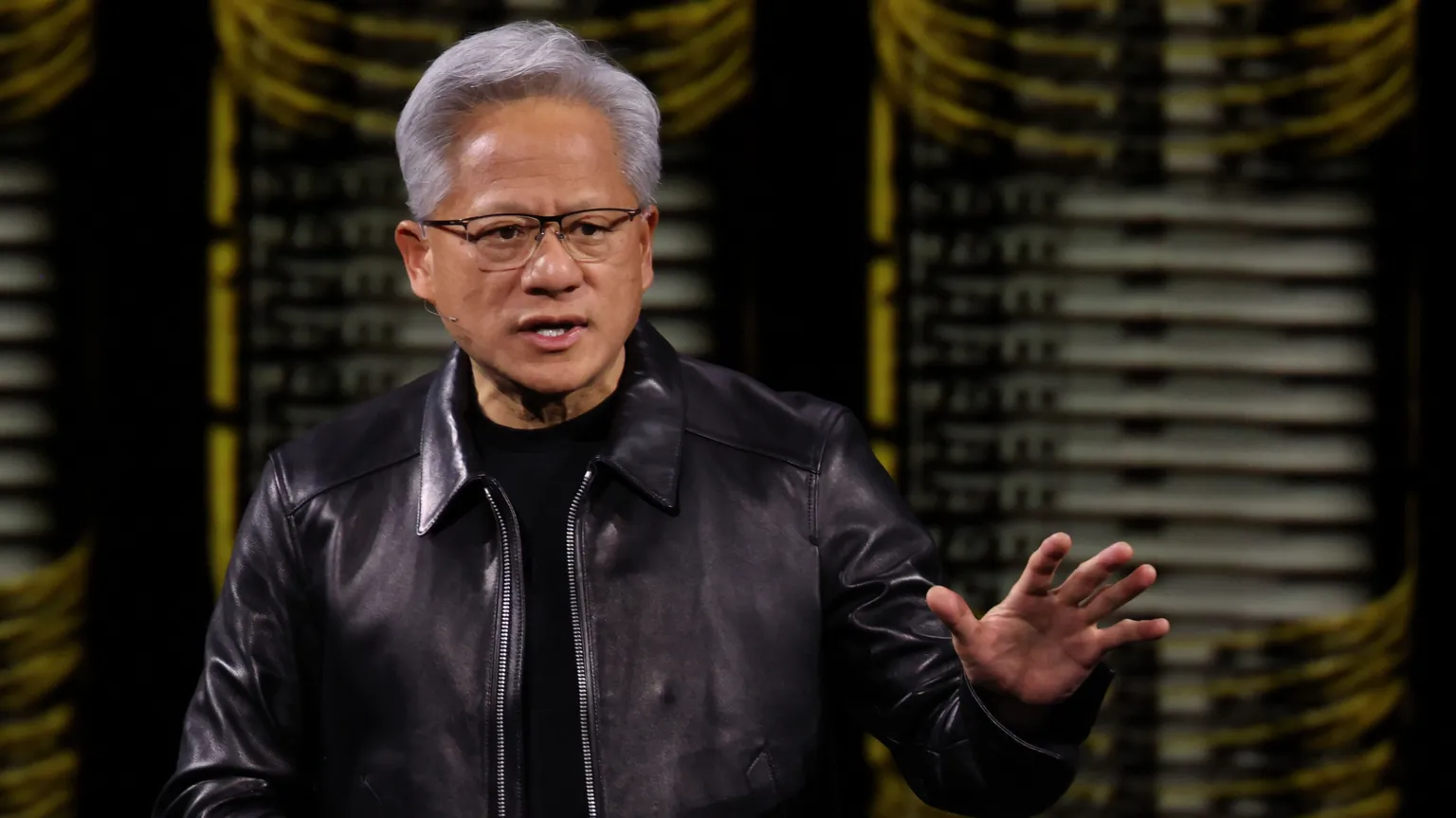
NVIDIA SPY ALLEGATIONS THREATEN TO COMPLICATE TRUMP-XI TALKS
Allegations involving former Nvidia chief executive Jensen Huang are adding tension to US-China relations as President Donald Trump and Chinese President Xi Jinping prepare for talks in Shenzhen.
The controversy centres on Huang’s relationship with Chinese businesswoman Alice Huang, whom US intelligence reports have alleged had links to China’s intelligence services. Those claims remain unproven, and Beijing has rejected them as a smear.
The dispute has intensified scrutiny of China’s access to advanced American chips, which are essential for artificial intelligence, supercomputing and some military technologies.
Washington has introduced new restrictions targeting Chinese companies accessing advanced US chips through overseas data centres. Some firms have also faced chip-smuggling allegations, which they deny.
Chinese officials have condemned the measures as “economic coercion” and warned against using espionage allegations to justify further technology restrictions.
The controversy could complicate efforts to stabilise relations following a damaging tariff dispute. Washington’s decision to permit sales of Nvidia H200 chips to China in late 2025 had been viewed as a sign of limited cooperation.
Some US lawmakers now argue that tighter controls are needed to protect national security.
Despite the tensions, both governments have reasons to keep negotiations moving. China wants to preserve trade flows and replace a trade truce due to expire in January, while Trump is seeking diplomatic progress.
Analysts warn that further technology restrictions could provoke retaliation, including tighter Chinese controls on critical minerals used in electronics, electric vehicles and military equipment.
The summit therefore presents a test of whether the two countries can maintain economic dialogue while managing growing security disputes.