


GOVERNMENT & POLICY
NLC INSISTS ON RIGHT TO NEGOTIATE N70,000 TRANSPORT PALLIATIVE FOR WORKERS
The Nigeria Labour Congress (NLC) has defended its decision to independently negotiate a ₦70,000 monthly transport allowance with the Federal Government, insisting that it has the authority to represent workers in discussions over their welfare.
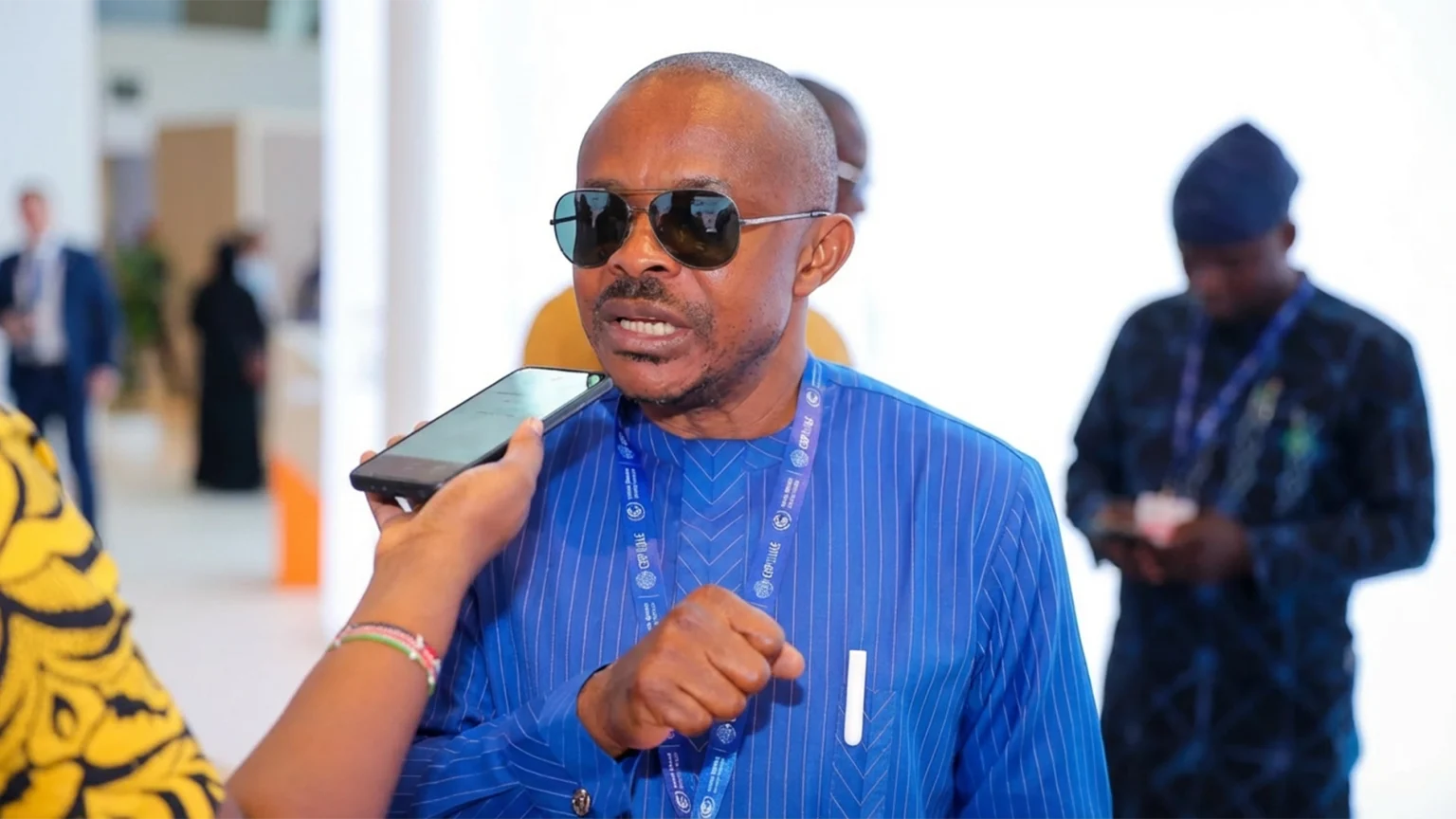
NLC President, Joe Ajaero, made the position clear amid growing disagreements with the Trade Union Congress (TUC) over the six-month transport intervention approved by the Federal Government.
Speaking on Channels Television’s The Morning Brief, Ajaero argued that the NLC could negotiate independently based on the principle of majority representation under the International Labour Organisation (ILO).
He maintained that while the TUC could participate in negotiations alongside the NLC, it could not independently represent the wider labour movement in dealings with government authorities.
Ajaero explained that the NLC had initially issued an ultimatum to the Federal Government over workers' welfare demands. Following further discussions, both parties agreed on the ₦70,000 monthly transport intervention.
However, TUC President, Festus Osifo, challenged the arrangement, describing the negotiation as irregular because his organisation was not consulted.
Osifo insisted that both labour centres should be involved in negotiations affecting their respective members. He also questioned Ajaero's interpretation of ILO regulations, demanding evidence to support the claim that one labour organisation could negotiate on behalf of another.
The disagreement has also attracted criticism from three public service unions, which distanced themselves from a statement issued in the name of the Joint National Public Service Negotiating Council, saying they were neither consulted nor authorised to endorse its contents.
Meanwhile, the Federal Government and NLC have agreed that the ₦70,000 monthly transport allowance will be paid to workers across all levels for six months, beginning November 2026.
The agreement also provides for the immediate constitution of a Minimum Wage Negotiation Committee, although both parties are yet to resolve disagreements over the effective date of a new minimum wage.
The dispute highlights growing divisions within organised labour over representation and negotiation procedures, even as workers continue to demand improved wages and better protection against rising living costs.