


BUSINESS &ECOMONY
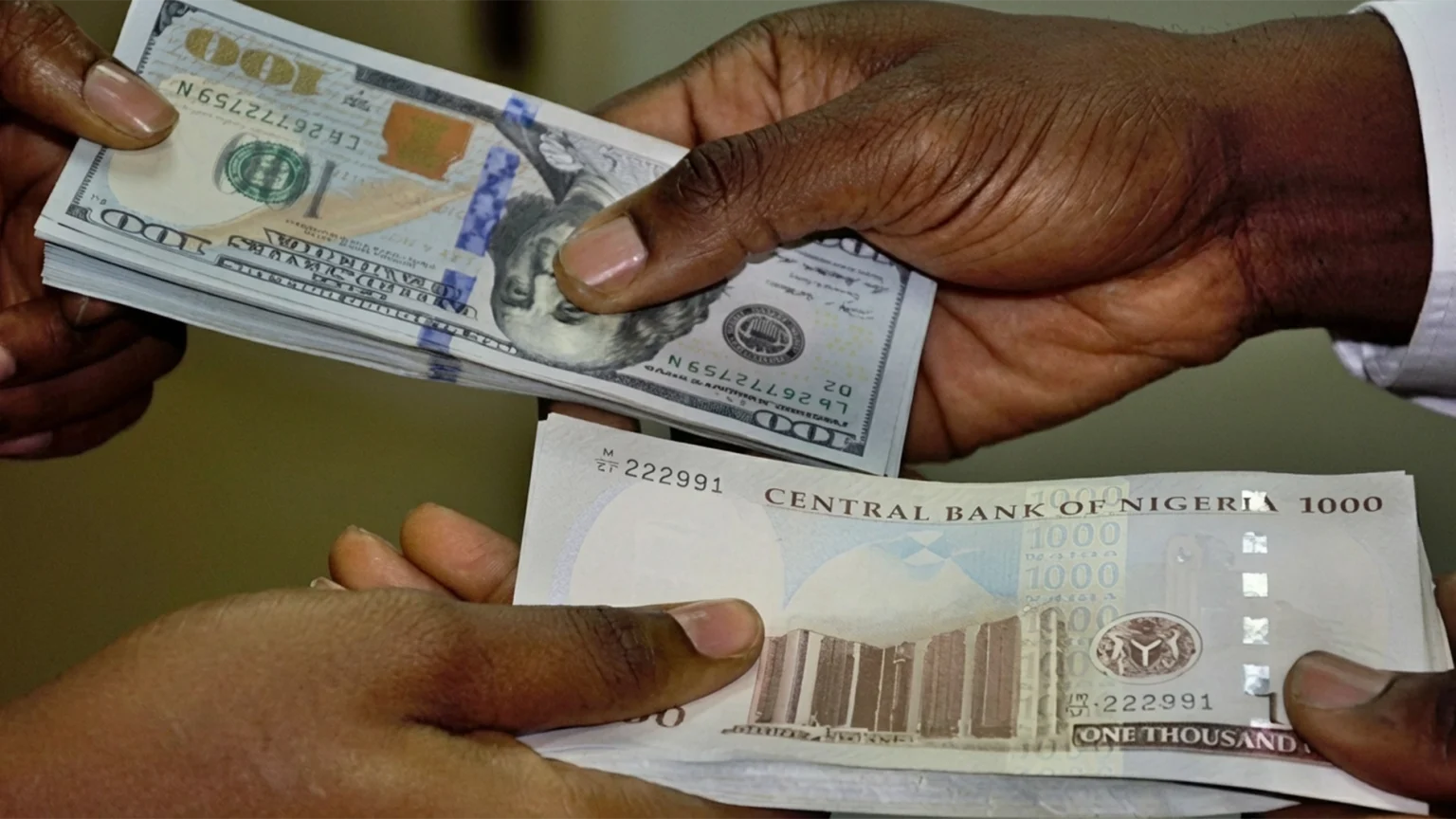
NIGERIA’S FOREIGN RESERVES RECORD SLOWEST MONTHLY GROWTH IN 2026
Nigeria's foreign exchange reserves recorded their slowest monthly growth in 2026 in October, raising fresh questions about the country's ability to sustain the pace of external reserve accumulation amid ongoing pressure on the foreign exchange market.
Data from the Central Bank of Nigeria (CBN) showed that gross foreign reserves increased by $295.35 million during October, rising from $54.93 billion at the end of September to $55.22 billion on October 30.
Although the reserves continued to grow, the October increase was significantly lower than the gains recorded in previous months, indicating a slowdown in the country's reserve accumulation.
February recorded the strongest monthly increase of approximately $3.41 billion. Reserves also gained about $1.22 billion in May, $1.88 billion in June, $464.87 million in July, $1.88 billion in August and $1.12 billion in September.
The latest figures suggest that Nigeria is maintaining a relatively strong external reserve position, but the pace of improvement has become less consistent.
Meanwhile, the naira experienced renewed pressure in October after recording gains over the preceding three months. It weakened from ₦1,329.50 per dollar at the end of September to ₦1,346 per dollar on October 30.
Despite the slowdown, Nigeria's gross reserves remained above the $55 billion mark, providing an important buffer for managing external financial obligations and supporting confidence in the economy.
Foreign reserves are particularly important to Nigeria because they help the country meet international payment obligations, support foreign exchange market stability and provide protection against external economic shocks.
The development highlights the importance of strengthening foreign exchange earnings through crude oil production, non-oil exports, foreign investment and improved economic productivity.
For Nigeria, the challenge is not only to maintain reserves above $55 billion but also to establish sustainable sources of foreign exchange inflows that can support long-term economic stability.