


TECHNOLOGY
NIGERIA’S DIGITAL PAYMENTS GROWTH HINGES ON CONSUMER PROTECTION
Nigeria’s Digital Payments Growth Hinges on Consumer Protection
Nigeria's growing digital payments industry will require stronger consumer protection measures to sustain public confidence and encourage wider adoption of electronic financial services.
As more Nigerians embrace mobile banking, digital wallets, payment applications and other cashless solutions, stakeholders have stressed the importance of ensuring that users are protected from fraud, unauthorised transactions and other risks associated with electronic payments.
Digital payments have become an increasingly important part of Nigeria's financial system, providing individuals and businesses with faster and more convenient ways to transfer money, pay bills and conduct transactions.
However, the rapid expansion of the sector has also brought challenges, including cybercrime, phishing attacks, identity theft, failed transactions and difficulties resolving customer complaints.
Consumers who lose money through fraudulent transactions or experience delays in reversing failed payments may become reluctant to continue using digital financial services. Such experiences can undermine confidence in the entire payments ecosystem.
Stakeholders have therefore emphasised the need for financial institutions, fintech companies, payment service providers and regulators to strengthen security systems and improve customer support.
Transparent transaction processes, effective complaint resolution mechanisms, clear communication of charges and stronger data protection practices are also considered essential to building trust.
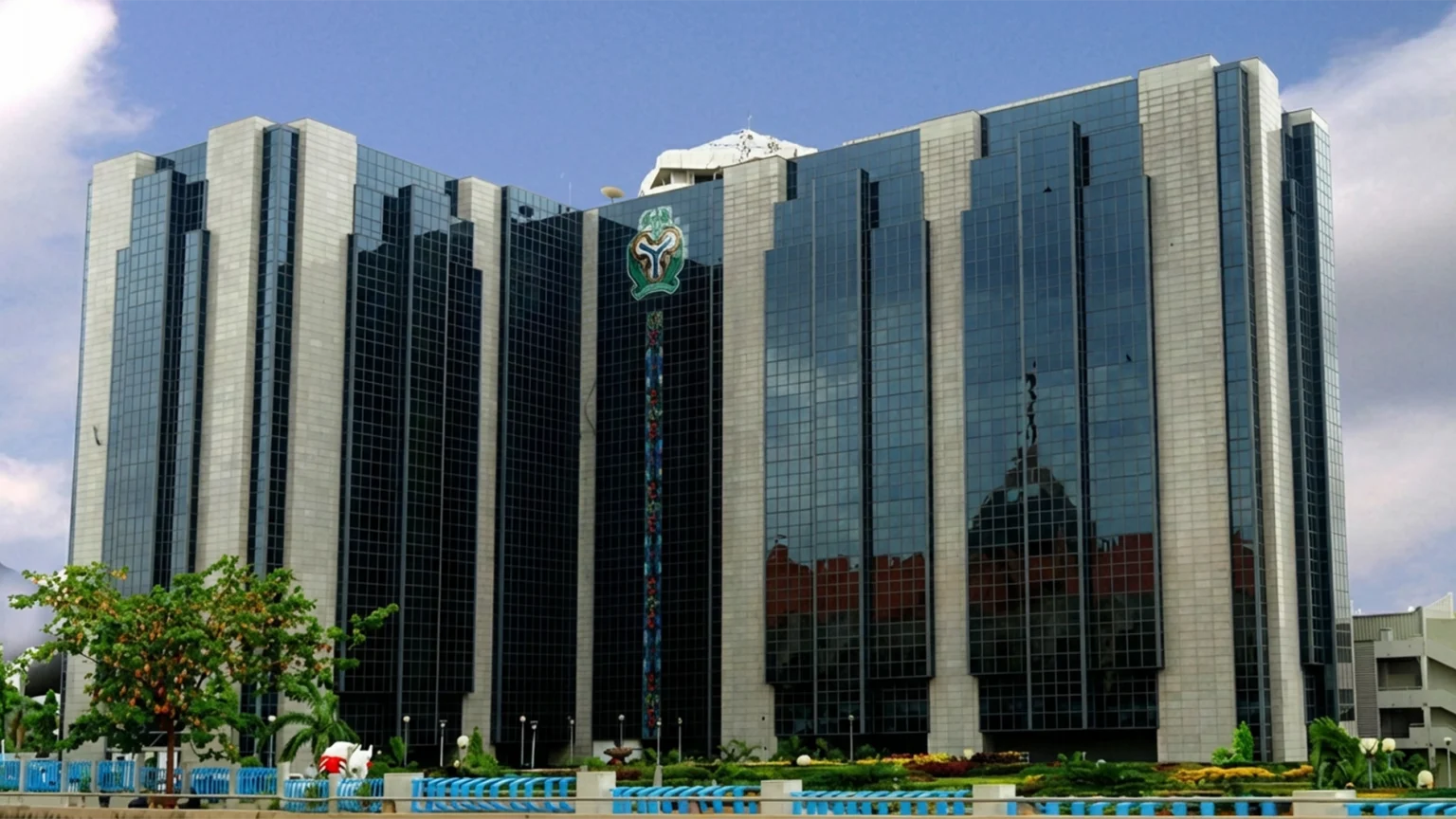
The Central Bank of Nigeria and other relevant regulatory institutions play important roles in establishing standards and ensuring that financial service providers comply with consumer protection requirements.
As digital financial services continue to expand, industry players are expected to balance innovation with adequate safeguards against emerging threats.
Sustained growth in Nigeria's digital payments ecosystem will depend not only on technological advancement but also on the ability of providers to guarantee secure, reliable and transparent services that protect consumers.