


BUSINESS &ECOMONY
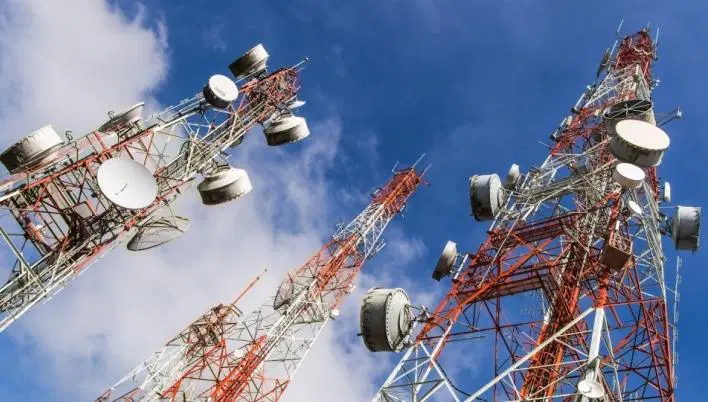
NIGERIA’S ACTIVE TELECOM LINES HIT 200M AS 5G SHARE CROSSES 5%
Nigeria's active telecommunications lines have reached 200 million, while the share of subscriptions connected to fifth-generation (5G) networks has crossed five per cent, highlighting the continued growth of the country's telecommunications industry.
The development reflects increasing demand for mobile connectivity as Nigerians rely more heavily on telecommunications services for communication, business transactions, education, entertainment and access to digital platforms.
The growth in active lines also highlights the importance of the telecom sector to Nigeria's digital economy. Mobile networks have become essential to everyday activities, supporting financial services, online commerce, remote work and access to information across different parts of the country.
The increase in 5G adoption represents another step in the evolution of Nigeria's telecommunications infrastructure. The technology offers faster internet speeds, lower network latency and greater capacity to support data-intensive applications compared with earlier network generations.
Businesses could benefit from improved connectivity through more efficient digital operations, while consumers may experience better performance when using services that require high-speed internet access.
However, challenges remain, including poor network quality in some locations, high data costs, infrastructure limitations and unreliable electricity supply affecting telecommunications facilities.
The growing adoption of 5G will also depend on wider network coverage, affordable compatible devices and continued investment by telecommunications operators.
The milestone highlights Nigeria's expanding digital connectivity and the opportunities it could create for businesses, consumers and technology-driven industries. Sustaining the growth will require continued investment in infrastructure and improvements in service quality to ensure that more Nigerians benefit from the country's expanding telecommunications network.