


CELEBRITIES
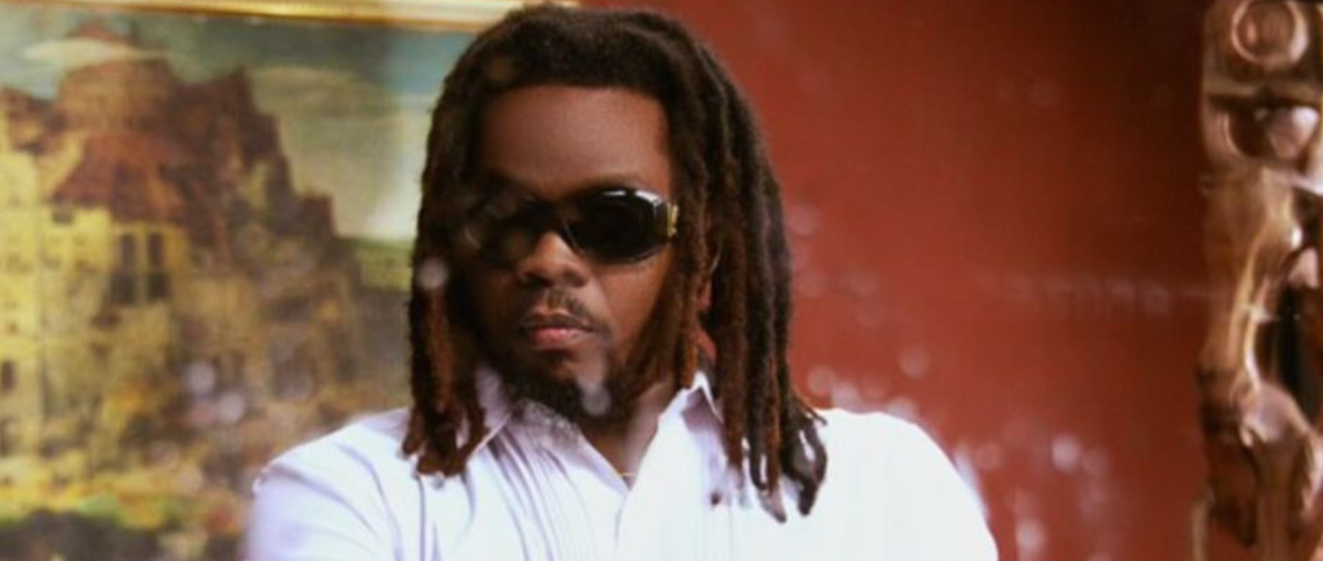
NIGERIAN CULTURE SHOULD NOT BE DEMONISED – OLAMIDE
Nigerian music star Olamide has called for greater appreciation and understanding of the country's cultural identity, warning against the tendency to portray Nigerian traditions and cultural expressions negatively.
The rapper stressed that Nigerian culture should not be demonised or treated as something inferior, particularly as the country's music, fashion, language and creative expressions continue to attract international attention.
Olamide, popularly known as Baddo, has played a significant role in promoting indigenous Nigerian sounds through his music. Over the years, he has consistently incorporated Yoruba language, street expressions and local cultural influences into his songs, helping to strengthen the popularity of indigenous hip-hop and Afrobeats.
His position reflects a wider conversation about cultural identity and the influence of Western trends on Nigerian entertainment and society. While globalisation has created opportunities for cultural exchange, concerns remain that some local traditions and expressions are increasingly misunderstood or dismissed.
Nigeria's cultural diversity remains one of its strongest assets, with different ethnic groups contributing unique languages, music, festivals, fashion, food and traditional practices to the country's identity.
The global success of Afrobeats has also demonstrated the commercial and cultural value of Nigerian creativity. Artists have increasingly taken local sounds and expressions to international audiences, introducing different aspects of Nigerian life to the world.
Olamide's comments reinforce the importance of preserving cultural heritage while allowing it to evolve through modern artistic expression.
His message also highlights the responsibility of entertainers and cultural ambassadors to promote authentic Nigerian experiences without feeling pressured to abandon their roots.
As Nigerian music continues to gain global recognition, the call for greater cultural appreciation adds to discussions about identity, representation and the importance of celebrating local heritage.