


EDUCATION
NIGERIA FACES MULTIPLE BURDEN OF MALNUTRITION, MOUAU PROFESSOR WARNS
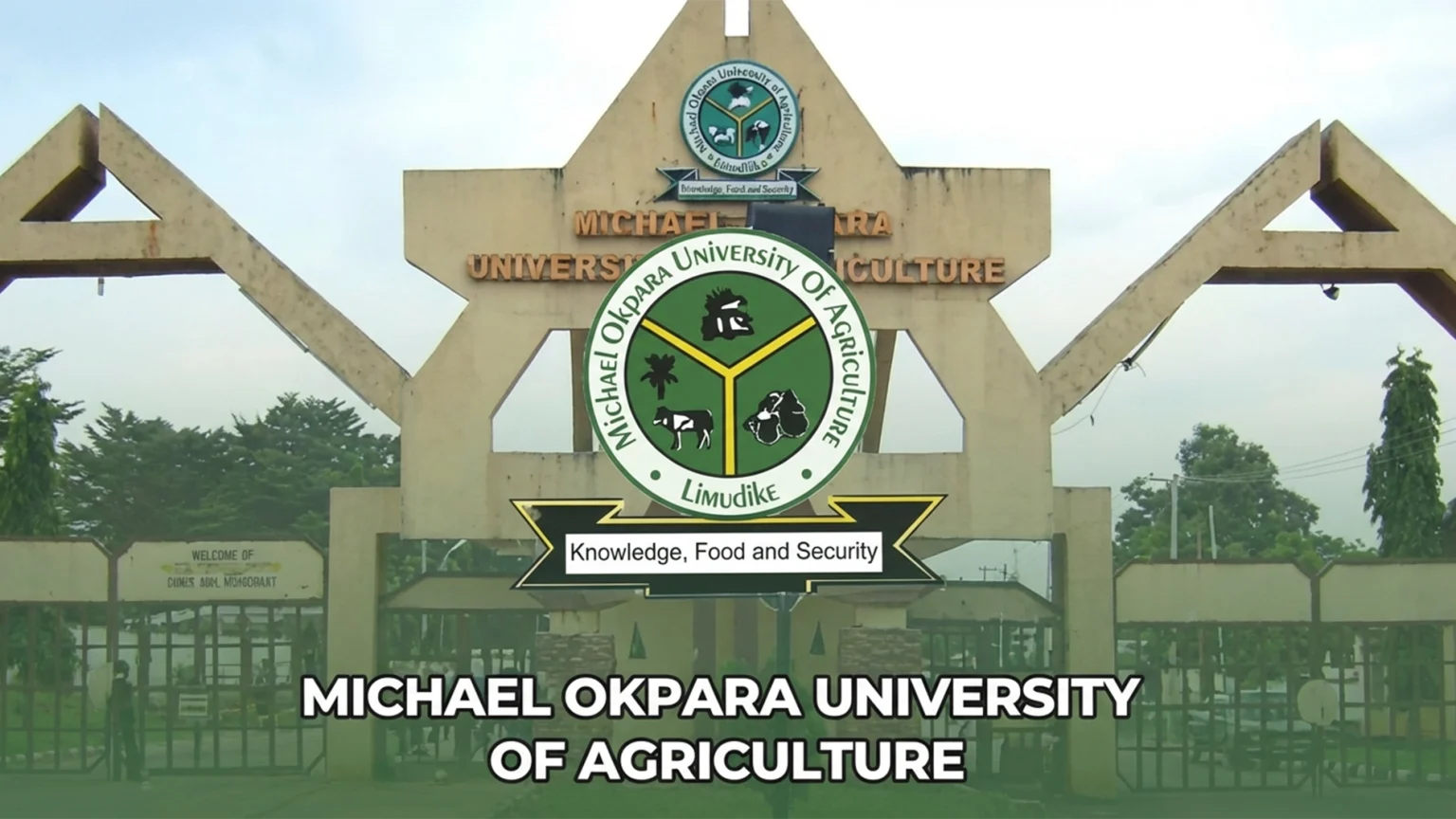
A professor at Michael Okpara University of Agriculture, Umudike (MOUAU), has warned that Nigeria is facing a growing burden of malnutrition, with undernutrition, micronutrient deficiencies and overweight increasingly affecting different groups of the population.
The warning highlights the complex nature of the country's nutrition challenges, which extend beyond hunger and inadequate food intake to include poor dietary choices and the consumption of foods that lack essential nutrients.
Undernutrition remains a concern among children, particularly those in vulnerable households, where limited access to balanced diets can affect physical growth, brain development and general wellbeing. At the same time, deficiencies in essential vitamins and minerals can undermine immunity and increase the risk of illness.
The professor's concerns also draw attention to the growing prevalence of overweight and obesity, especially as urbanisation, changing lifestyles and increased consumption of highly processed foods influence eating habits.
Experts have repeatedly stressed that malnutrition has serious consequences for national development. Children affected by poor nutrition may experience learning difficulties, while adults can face reduced productivity and increased vulnerability to chronic diseases.
Addressing the problem requires coordinated action involving government agencies, health professionals, agricultural institutions, food producers and communities.
The professor called for greater attention to nutrition education, food security, improved agricultural production and policies that make healthy foods more accessible and affordable.
Nigeria's agricultural sector has an important role to play in tackling malnutrition by supporting the production and distribution of diverse, nutritious foods.
The warning underscores the need for a comprehensive approach that addresses not only food availability but also the quality, affordability and nutritional value of what Nigerians consume.