


BUSINESS &ECOMONY
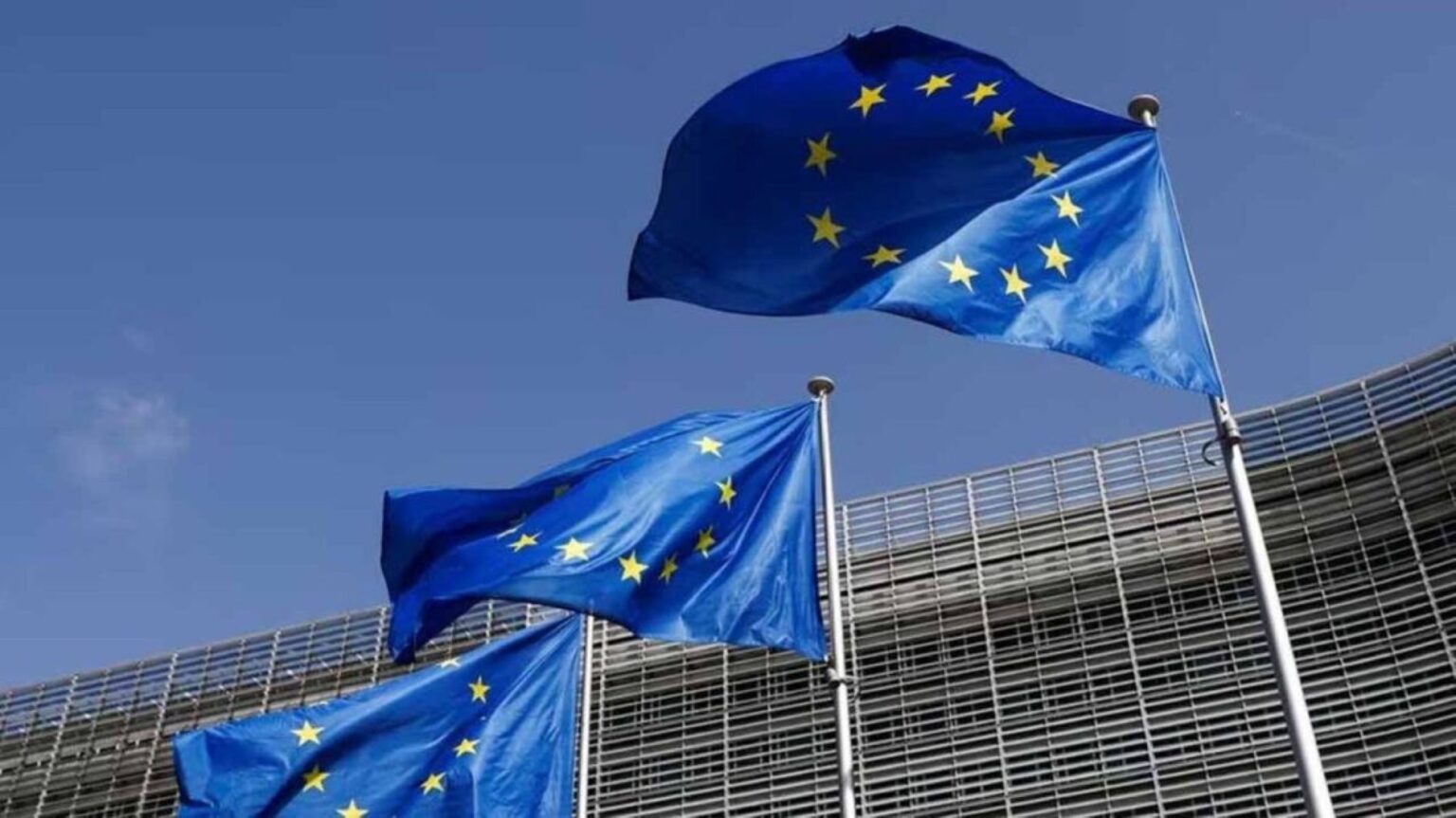
NIGERIA AND EU: A TRADE PARTNERSHIP WITH UNTAPPED POTENTIAL
Nigeria and the European Union (EU) have significant opportunities to strengthen their trade and investment relationship, but stakeholders believe much of the economic potential between both partners remains untapped.
The EU remains one of Nigeria's most important trading partners, with cooperation spanning agriculture, energy, manufacturing, technology, infrastructure and financial services. However, there is growing interest in expanding the relationship beyond the traditional exchange of raw materials and finished products.
Nigeria's large population, natural resources and growing consumer market offer European businesses opportunities to invest in different sectors of the economy. At the same time, Nigerian exporters could benefit from improved access to European markets, particularly for agricultural products, manufactured goods and services.
One major opportunity lies in adding value to locally produced commodities before exporting them. Rather than relying heavily on raw materials, Nigeria could increase its earnings by developing processing industries, strengthening manufacturing capacity and improving product standards.
Agriculture also presents considerable opportunities, particularly in cocoa, cashew, sesame, palm oil and other export commodities. Improved access to technology, financing and modern processing facilities could help Nigerian businesses become more competitive in international markets.
Energy is another important area of cooperation. Nigeria's transition towards cleaner energy creates opportunities for European investment in renewable power, electricity infrastructure and sustainable industrial development.
However, challenges such as inadequate infrastructure, regulatory uncertainty, foreign exchange difficulties, high production costs and trade barriers continue to affect Nigeria's ability to maximise its international trade opportunities.
Strengthening the partnership will therefore require more than diplomatic engagements. Both sides need to promote practical investment agreements, improve trade facilitation, encourage private sector participation and support Nigerian businesses seeking access to European markets.
For Nigeria, the priority should be to build productive capacity, improve export competitiveness and attract investments that create jobs and transfer technology.
A stronger Nigeria-EU trade relationship could deliver significant benefits to both sides. With the right policies and sustained cooperation, the partnership has the potential to become a major driver of economic growth, industrial development and international competitiveness.