


BUSINESS
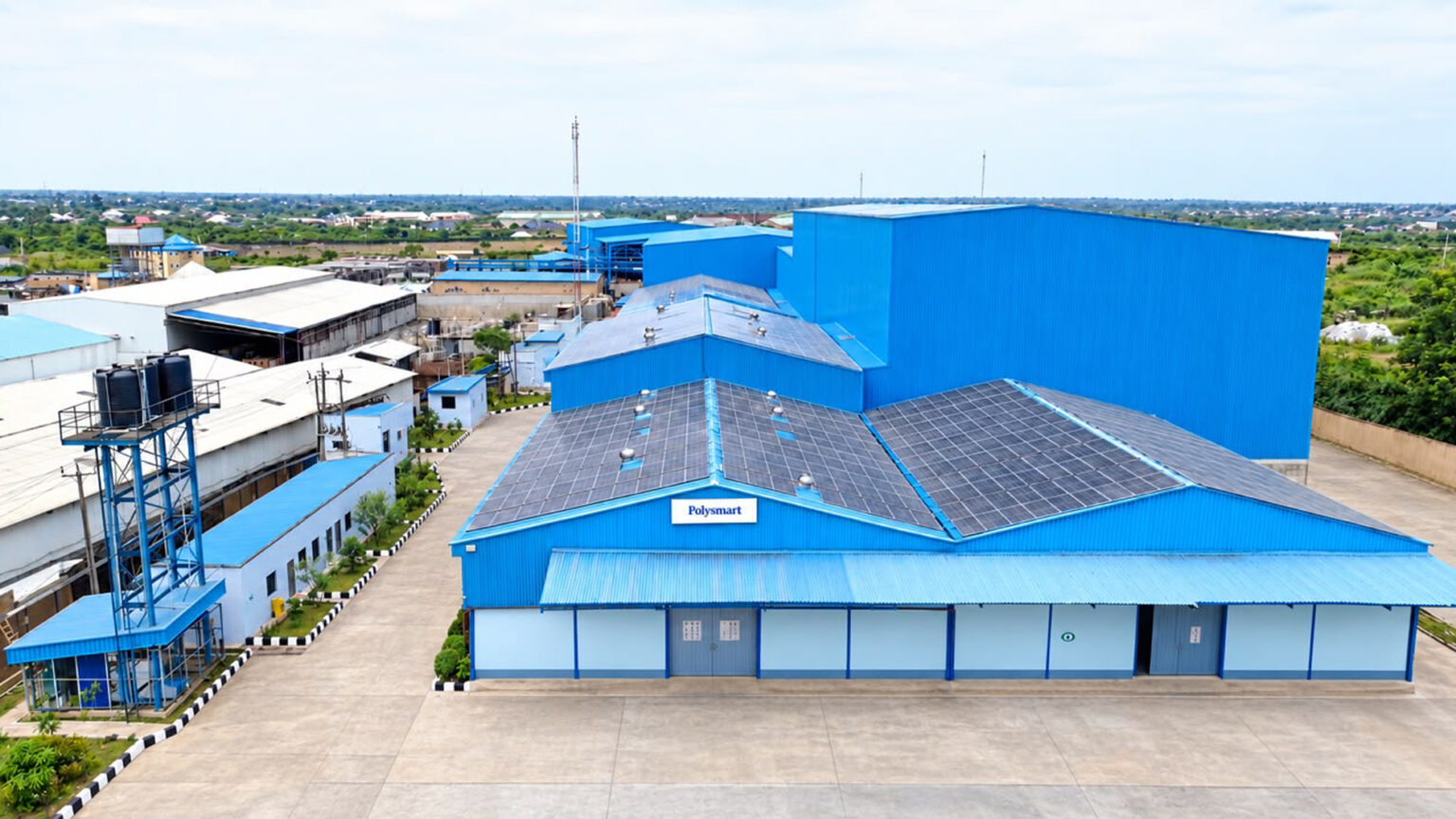
NEW $60M RECYCLING PLANT PRESENTS OPPORTUNITIES FOR PLASTIC COLLECTORS
A new $60 million recycling plant is expected to create opportunities for plastic waste collectors, offering the prospect of improved income and stronger participation in Nigeria’s recycling value chain.
The facility could help increase demand for recovered plastic materials by providing an industrial destination for waste that might otherwise end up in landfills, drainage channels, waterways and other public spaces.
Plastic collectors play an important role in waste management by recovering discarded materials and supplying them to recycling businesses. However, many operate under challenging conditions, including unstable prices, limited access to collection equipment and inadequate storage facilities.
The new plant could create opportunities for collectors to expand their activities if it establishes reliable purchasing arrangements and provides clear information about the types and quality of plastics required. Consistent demand could also encourage more people to participate in collection and sorting activities.
Beyond income generation, the facility could contribute to environmental protection by supporting the recovery and reuse of plastic materials. Recycling helps reduce the volume of waste entering the environment and can provide manufacturers with materials for producing new products.
The investment could also stimulate activity across related businesses, including waste transportation, sorting, aggregation and processing. These activities may create jobs and support small enterprises operating within the recycling sector.
However, the extent of the benefits will depend on the plant’s operating capacity, its sourcing arrangements and the prices offered to collectors. Accessible collection points, transparent weighing systems and timely payments would be important in ensuring that informal waste workers benefit from the investment.
Health and safety must also remain priorities, particularly for collectors who work in environments where waste may contain hazardous materials. Appropriate protective equipment, training and better working conditions could help reduce occupational risks.
The $60 million investment highlights the potential for industrial recycling to combine environmental benefits with economic opportunities.
If supported by effective collection networks and fair purchasing arrangements, the plant could strengthen Nigeria’s recycling industry while improving livelihoods for people involved in plastic waste recovery.