


WORLD
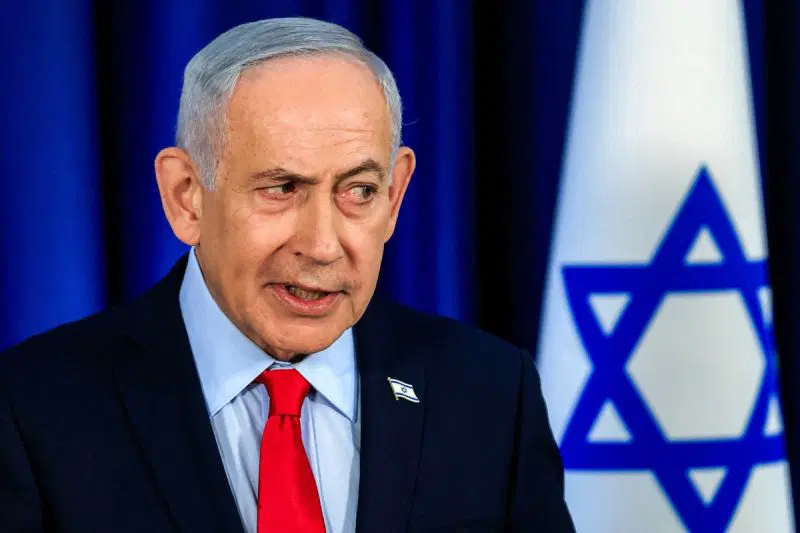
NETANYAHU BLOC FINISHES AHEAD IN ISRAEL VOTE, BUT WELL SHORT OF MAJORITY
Benjamin Netanyahu’s political bloc has won the most seats in Israel’s general election but failed to secure a governing majority, setting up difficult coalition negotiations.
Final results released on Friday showed that the prime minister’s alliance of right-wing and far-right parties won 53 seats in the 120-member Knesset. His Likud party remained the largest individual faction with 27 seats.
The opposition bloc led by centrist Gadi Eisenkot secured 48 seats, while the Arab-led Raam and Joint List won a combined 19.
With 61 seats needed for a majority, neither major bloc can form a government without additional support. Another election remains possible if negotiations fail.
The outcome gives the Arab parties significant influence over efforts to form the next government.
Joint List leader Yousef Jabareen said he was willing to cooperate with the opposition to remove Netanyahu, although his party would not join its government.
Meanwhile, the results have been overshadowed by unproven allegations from Netanyahu’s camp that foreign funding influenced Arab-Israeli voting.
Likud alleged that Raam received money from Qatar to finance vote-buying. Raam leader Mansour Abbas denied wrongdoing and welcomed an investigation, while Qatar rejected the accusations.
Israel’s Shin Bet security service said it was investigating suspected irregularities but stressed that the inquiry should not cast suspicion on an entire community of lawful voters.
The electoral commission also rejected suggestions of widespread problems. Officials had provided no evidence supporting the allegations at the time of the report.
Opposition leaders accused Netanyahu and Likud of trying to undermine confidence in the outcome after failing to win a majority.
Eisenkot said it was too early to determine whether wrongdoing had occurred, while criticising attempts to discredit the results.