


HEALTH
NCDC CONFIRMS DENGUE IN TWO STATES, CHIKUNGUNYA IN SOKOTO
The Nigeria Centre for Disease Control and Prevention (NCDC) has confirmed cases of dengue fever in Sokoto and Zamfara states, alongside chikungunya infections in Sokoto, raising concerns over the spread of mosquito-borne diseases as Nigeria approaches the dry season.
The agency disclosed the development in a national health security update, warning Nigerians against assuming that every case of fever is malaria.
NCDC Director-General, Dr Jide Idris, said national rapid response teams had been deployed to support the affected states. The teams include entomologists from the National Arbovirus Research Centre in Enugu and are assisting with disease identification, laboratory investigations, clinical preparedness, community engagement and mosquito control.
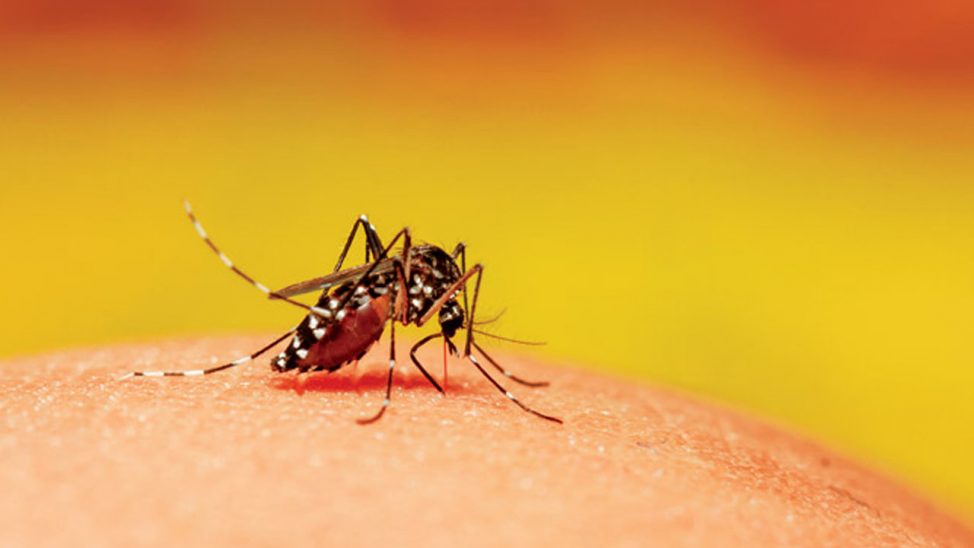
Dengue and chikungunya are viral infections transmitted through the bites of infected mosquitoes. Both can cause fever, headaches, body pains and joint pains, making laboratory testing and proper medical assessment important for accurate diagnosis.
The agency warned that dengue can become life-threatening when serious symptoms are overlooked. People experiencing persistent fever, particularly when accompanied by rash, vomiting or severe joint pains, were advised to seek medical attention.
To reduce the risk of infection, Nigerians have been urged to eliminate stagnant water around their homes, cover water storage containers, clear discarded tyres and other potential mosquito breeding sites, and use appropriate mosquito protection.
The NCDC also called on healthcare workers to remain alert and strengthen disease surveillance, particularly as the dry season increases the risk of other infections, including cerebrospinal meningitis and Lassa fever.
The agency stressed the importance of early detection, public awareness and coordinated response efforts to prevent further spread of the infections.