


TECHNOLOGY
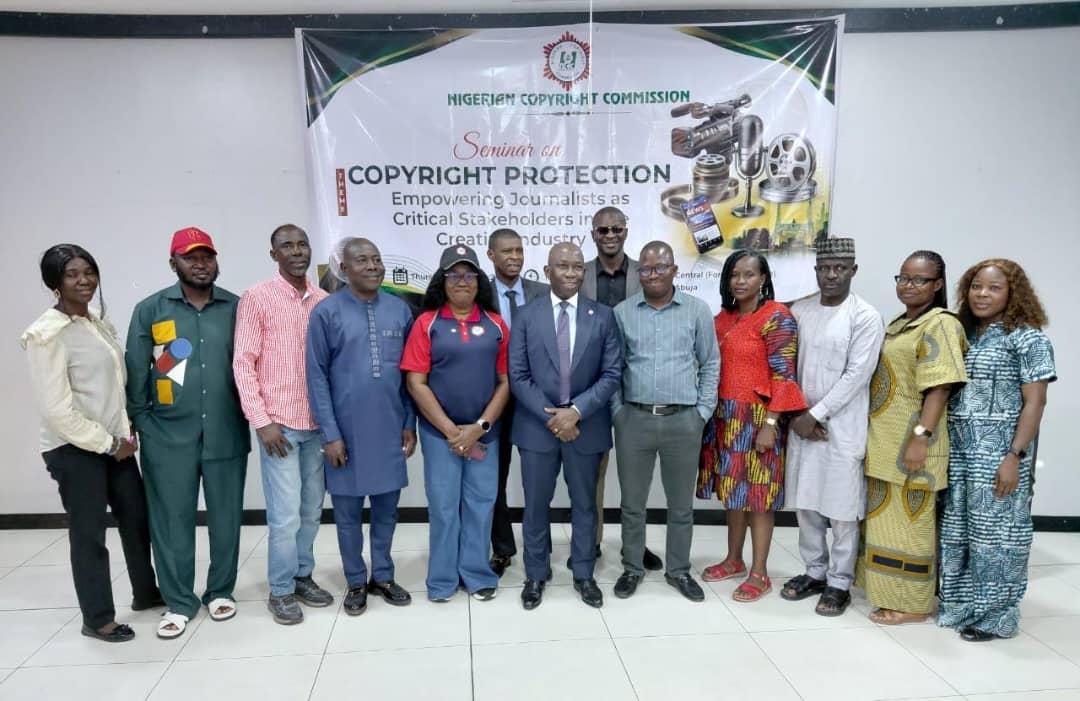
NCC WARNS AI, PIRACY THREATEN NIGERIA’S CREATIVE INDUSTRY EARNINGS
The Nigerian Copyright Commission (NCC) has warned that the growing use of artificial intelligence and persistent copyright piracy pose significant threats to the earnings and long-term sustainability of Nigeria's creative industry.
The commission raised concerns that emerging AI technologies could make it easier to reproduce, manipulate and distribute creative works without the necessary authorisation from their owners.
It also highlighted the continued spread of pirated music, films, books and other intellectual property, which deprives creators and rights holders of income from their work.
Nigeria's creative industry, which includes music, film, publishing, fashion and digital content production, has become an important contributor to employment, investment and the country's international cultural influence.
However, industry participants continue to face challenges involving unauthorised distribution, illegal streaming, counterfeit products and weak enforcement of copyright protections.
The NCC's warning underscores the need for stronger copyright enforcement and policies that address the impact of new technologies on intellectual property rights.
Artificial intelligence has created new opportunities for content production, editing and distribution, but its use has also raised questions about ownership, consent and compensation when copyrighted materials are used to train or generate AI content.
The commission's position highlights the importance of balancing technological innovation with the protection of creators' rights.
Stakeholders have continued to call for improved public awareness, stronger collaboration among enforcement agencies and greater investment in systems that help identify and prevent copyright violations.
Protecting intellectual property, the commission's concerns suggest, is essential to ensuring that Nigerian creators benefit financially from their work and that the creative industry remains attractive to investors.