


BUSINESS &ECOMONY
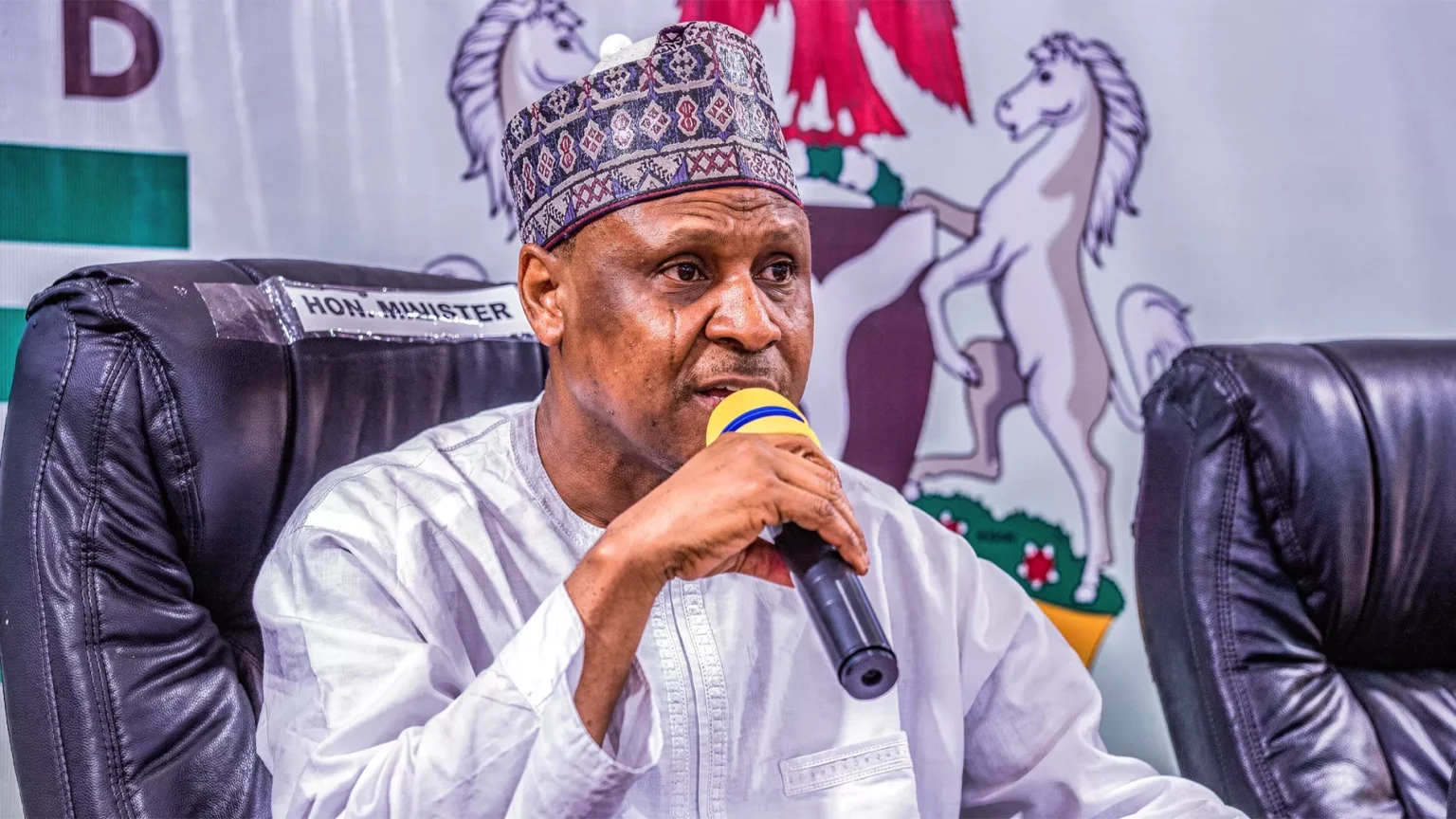
N17 TRILLION LOST TO ABANDONED PROJECTS, SAYS FG
The Federal Government has raised concerns over the growing number of abandoned and uncompleted projects across Nigeria, estimating that more than ₦17 trillion in resources has been lost to poor project planning, weak supervision and ineffective implementation.
The Minister of State for Industry, Trade and Investment, Senator John Owan Enoh, disclosed the figure at the eighth annual induction and conference ceremony of the Chartered Institute of Project Managers of Nigeria (CIPMN), held in Abuja.
Enoh, who was represented by the ministry's Permanent Secretary, Dr Chris Osa Isokpunwu, described professional project management as essential to translating government policies and development plans into tangible results.
He said abandoned projects continued to tie down enormous public resources that could otherwise have supported infrastructure development, industrial growth, employment generation and essential social services.
According to the government, the ₦17 trillion estimate was provided by CIPMN. The minister also referenced concerns raised by the House of Representatives over abandoned Federal Government projects and properties reportedly valued at more than ₦20 trillion.
The government warned that the consequences of abandoned projects extended beyond financial losses, as communities continued to suffer from unfinished roads, hospitals, schools, electricity infrastructure and other essential facilities.
CIPMN Registrar-General and Chief Executive Officer, Henry Ifeanyi Mbadiwe, said the institute had developed a project management curriculum approved by the National Universities Commission to enable Nigerian universities to offer project management as a degree programme.
He also disclosed that the institute had commenced enforcement of professional licensing requirements, warning that individuals and organisations engaging unlicensed project managers could face legal consequences.
The Federal Government urged ministries, departments and agencies to strengthen project supervision, accountability and implementation processes.
The development highlights one of Nigeria's persistent development challenges: the difficulty of completing projects after public funds have been committed. Without stronger planning, monitoring and continuity across successive administrations, abandoned projects will continue to undermine economic growth and deprive citizens of essential infrastructure.