


METRO
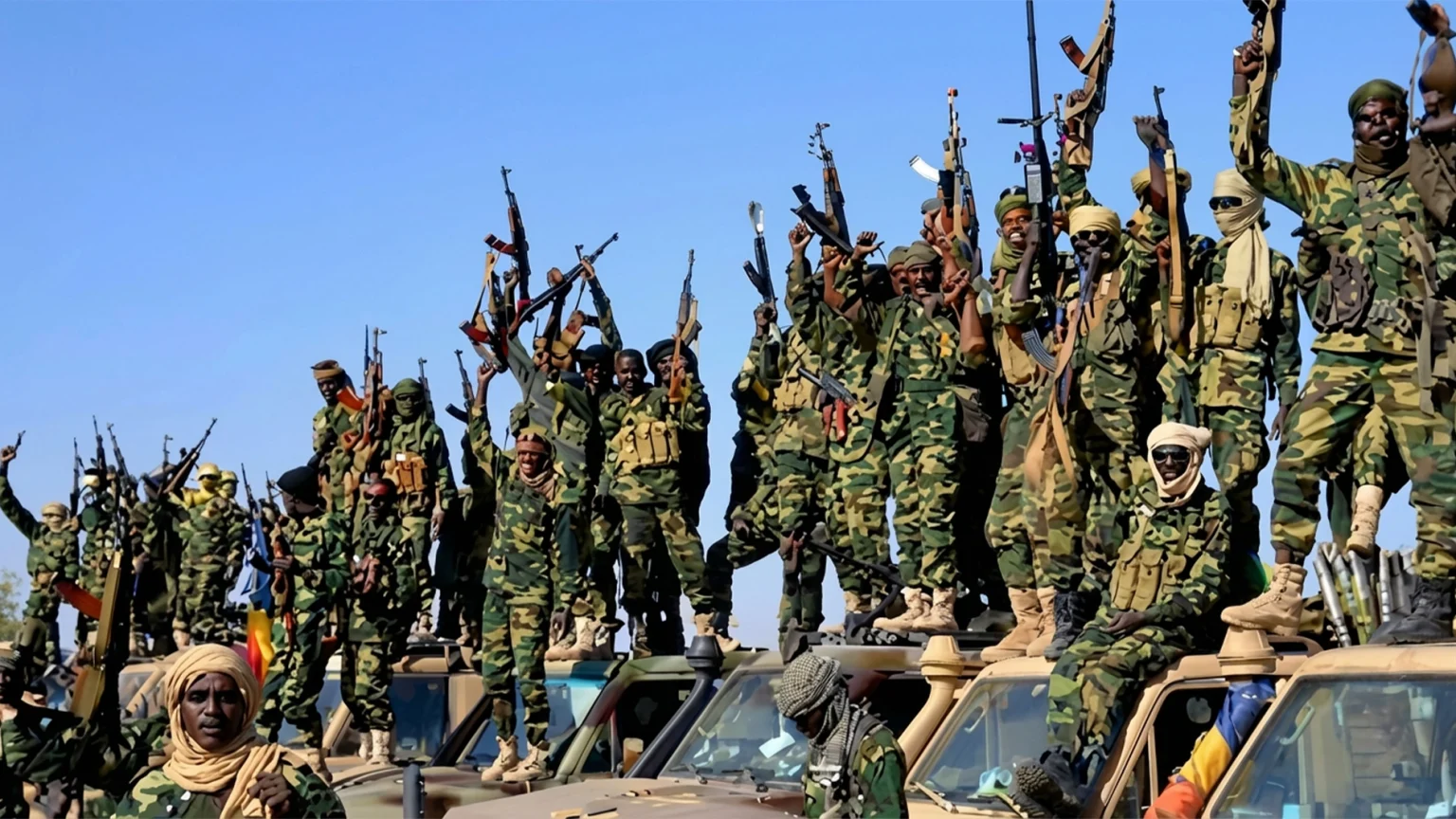
MILITARY FORCE ALONE CANNOT DEFEAT BOKO HARAM, IRABOR DECLARES
Former Chief of Defence Staff, General Lucky Irabor, has warned that military force alone cannot defeat Boko Haram and other insurgent groups, stressing the need for a broader strategy that addresses the underlying causes of insecurity.
Irabor said the fight against terrorism requires more than battlefield operations, noting that sustained security efforts must be supported by governance, development, intelligence gathering and community cooperation.
He argued that although military operations remain essential in confronting armed groups, lasting peace cannot be achieved without addressing factors that allow insurgency to thrive, including poverty, unemployment, social exclusion and weak institutions.
The former defence chief emphasised the importance of strengthening collaboration among security agencies and improving intelligence sharing to prevent attacks and dismantle terrorist networks.
He also highlighted the need for communities affected by insurgency to receive adequate support, including humanitarian assistance, rehabilitation and opportunities to rebuild their livelihoods.
Irabor's position reflects growing calls among security experts for a comprehensive approach to Nigeria's security challenges, combining military action with civilian-led interventions, economic recovery and efforts to restore public trust.
The Boko Haram insurgency, which began in northeastern Nigeria more than a decade ago, has resulted in thousands of deaths, widespread displacement and significant destruction of infrastructure. Despite sustained military campaigns, remnants of the group and rival Islamic State West Africa Province (ISWAP) fighters continue to pose security threats in parts of the region.
Irabor maintained that defeating terrorism requires coordinated and sustained action beyond the military, with government institutions, local communities and other stakeholders playing critical roles in achieving lasting stability.