


BUSINESS &ECOMONY
MIDDLE EAST CONFLICT REDEFINES OIL INVESTMENT, FUELS NEW GLOBAL ENERGY ALLIANCES
The escalating conflict in the Middle East is reshaping the global oil and gas industry, forcing major energy producers to rethink investment priorities, strengthen international partnerships and develop alternative routes for transporting petroleum products.
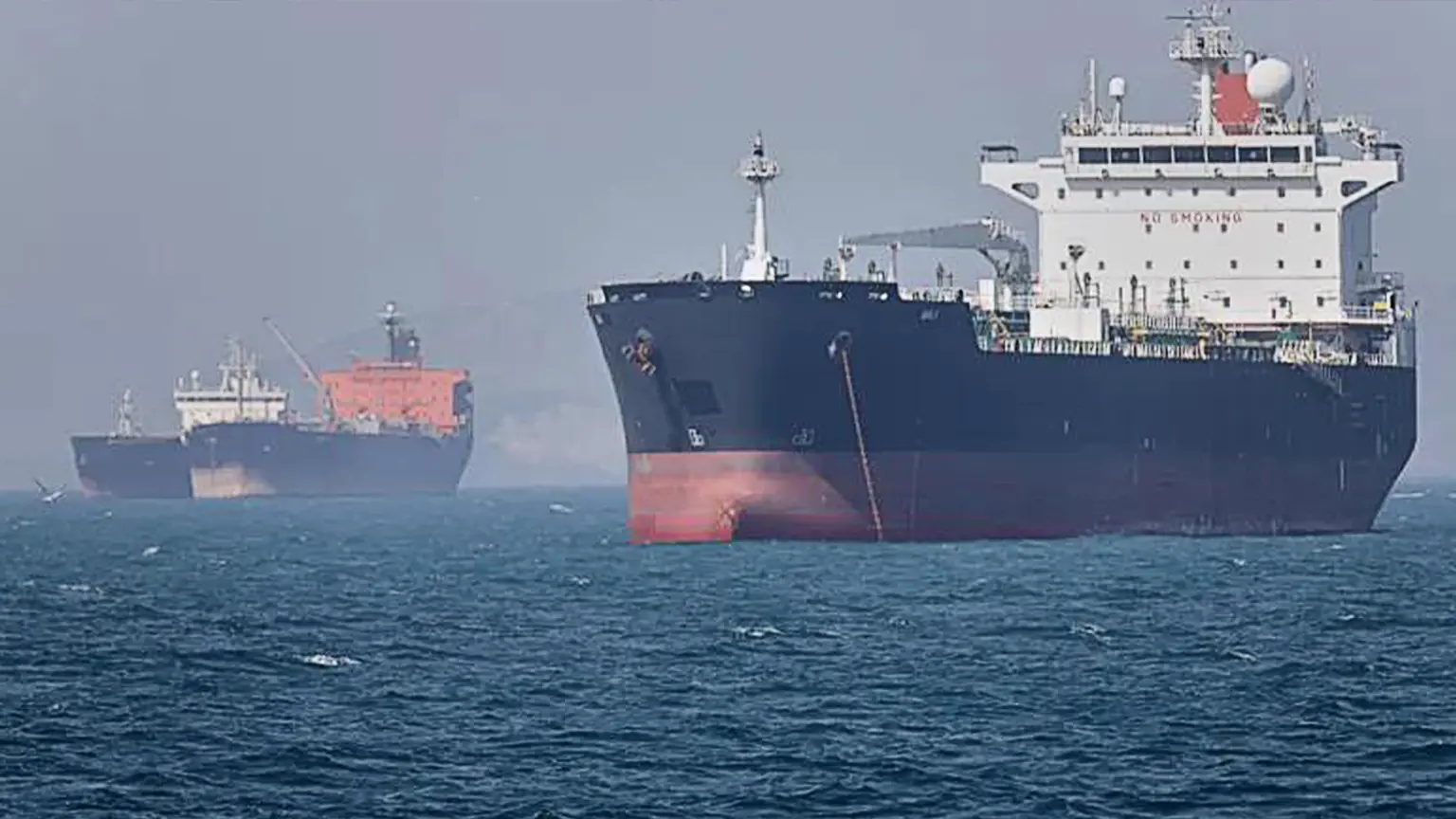
The growing security threats around the Strait of Hormuz, one of the world's most important energy shipping corridors, have exposed the vulnerability of traditional oil supply chains. As a result, national oil companies are increasingly prioritising export security, infrastructure protection and diversification of their international operations.
A new assessment by energy consultancy Wood Mackenzie highlights how the crisis is affecting major Middle Eastern producers, including Saudi Aramco, Abu Dhabi National Oil Company (ADNOC) and QatarEnergy. Although the companies face different operational challenges, they are all reconsidering how they invest capital, access technology and secure international markets.
Saudi Aramco and ADNOC have benefited from alternative export arrangements, including pipeline networks and other shipping options. However, attacks on critical infrastructure and disruptions to regional shipping have demonstrated that these alternatives also carry significant risks.
QatarEnergy faces particularly difficult circumstances as disruptions threaten its ambitious liquefied natural gas expansion plans, which are expected to increase its production capacity from 77 million tonnes annually to 142 million tonnes.
The changing investment environment is also creating opportunities for international energy companies. Partnerships involving equity investments, technology sharing, gas trading and long-term supply agreements are becoming increasingly important as producers seek to protect their operations and maintain access to global markets.
Beyond the Middle East, the crisis is encouraging governments and energy companies to reconsider their dependence on concentrated supply routes. Investments in alternative pipelines, export terminals, overseas storage facilities and renewable energy are gaining attention.
For Africa, the developments offer important lessons about energy security, infrastructure investment and the need to diversify export markets.
Ultimately, the conflict is demonstrating that future success in the global energy industry will depend not only on how much oil and gas countries produce, but also on their ability to transport, protect and deliver supplies despite geopolitical uncertainties.