


BUSINESS &ECOMONY
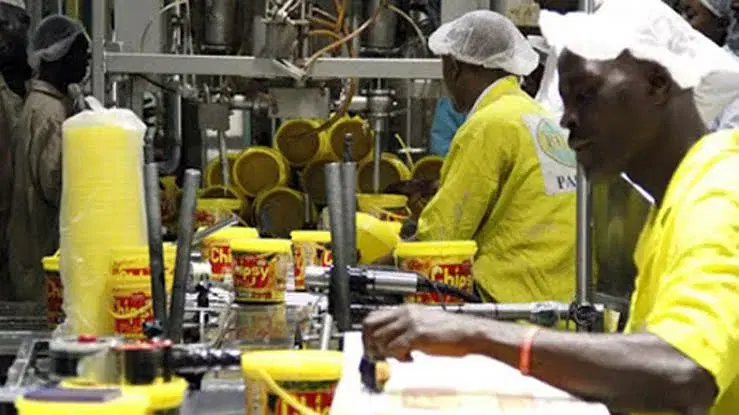
MANUFACTURING GROWTH DOUBLES TO 3.2% AMID EASING COST PRESSURES
Nigeria's manufacturing sector has recorded a growth rate of 3.2 per cent, doubling its previous pace amid signs of easing cost pressures and improving conditions for industrial production.
The development offers a positive signal for the country's industrial sector, which has faced significant challenges from high energy costs, foreign exchange volatility, expensive raw materials and weak consumer purchasing power.
Manufacturers have struggled with rising production expenses, forcing some businesses to reduce output, adjust prices or operate below installed capacity. The reported improvement suggests that some of these pressures may be easing, creating room for stronger industrial activity.
Growth in manufacturing is important to Nigeria's broader economic development because the sector supports employment, encourages investment, strengthens local production and reduces dependence on imported goods.
However, sustaining the improvement will require continued attention to the challenges facing businesses. Reliable electricity, affordable financing, stable exchange rates, improved transportation infrastructure and access to raw materials remain critical to industrial expansion.
The sector also needs policies that encourage investment in local production and help manufacturers compete effectively in domestic and international markets.
While the 3.2 per cent growth figure represents progress, the broader test will be whether the improvement can be sustained across different manufacturing subsectors.
A stronger manufacturing industry could contribute significantly to economic diversification, job creation and improved productivity, provided businesses can operate in a more predictable and supportive environment.