


BUSINESS &ECOMONY
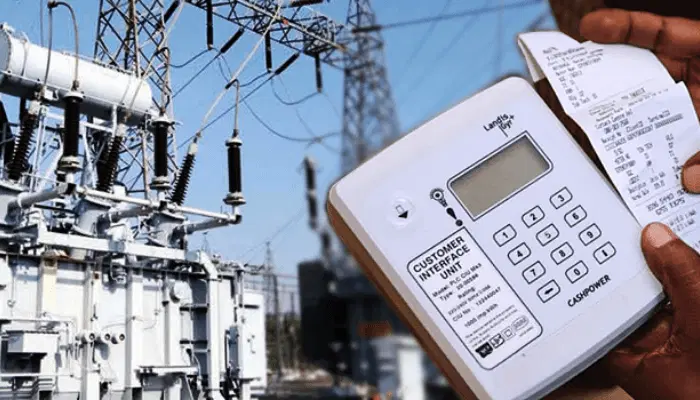
MANUFACTURERS RAISE ALARM OVER N1.35TRN ALTERNATIVE POWER COSTS, 18,935 JOB LOSSES
Nigerian manufacturers have raised concerns over rising production costs, revealing that businesses spent about N1.35 trillion on alternative power sources while the sector recorded 18,935 job losses amid persistent electricity challenges.
The development highlights the growing burden of unreliable power supply on manufacturers, many of whom depend on diesel generators, gas-powered systems and other alternatives to keep their factories running.
Industry operators say the high cost of self-generated electricity has increased production expenses, reduced profit margins and weakened the competitiveness of locally manufactured goods. Businesses have also struggled with rising prices of raw materials, transportation, financing and other essential inputs.
For small and medium-sized manufacturers, the pressure is particularly severe because many lack the financial capacity to invest in more efficient energy systems or absorb repeated increases in operating costs.
The reported job losses have heightened concerns about the impact of energy costs on employment and industrial growth. Manufacturers warn that prolonged financial pressure could force more businesses to reduce production, suspend expansion plans or cut their workforce.
The situation also poses challenges for Nigeria’s efforts to reduce dependence on imported goods, strengthen local supply chains and create sustainable employment opportunities.
Industry stakeholders have called for urgent improvements in electricity supply, alongside policies that reduce the cost of industrial energy and encourage investment in reliable power infrastructure.
They have also urged the government to support manufacturers through targeted interventions, improved access to financing and measures that make alternative energy systems more affordable.
Reliable electricity remains critical to the survival of manufacturing businesses, as high energy costs can ultimately translate into higher prices for consumers.
Manufacturers say addressing the power crisis is essential to restoring confidence in the sector, protecting jobs and creating conditions for sustainable industrial development.