


ENERGY
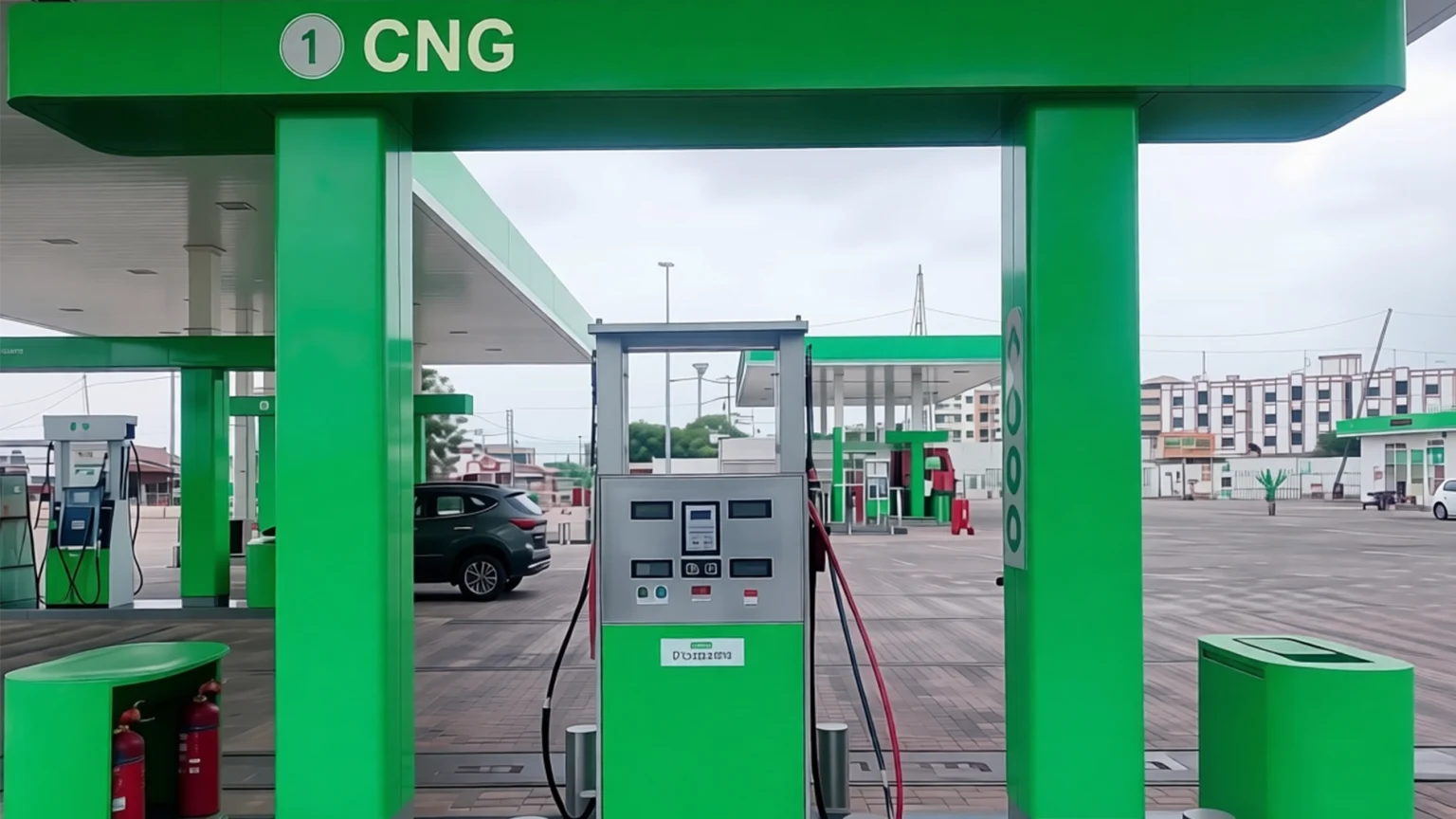
LASG STEPS UP CNG DRIVE, SEEKS CONTROL OF ENERGY INFRASTRUCTURE
The Lagos State Government has intensified efforts to promote the adoption of Compressed Natural Gas (CNG) as part of its broader strategy to reduce transportation costs, encourage cleaner energy and strengthen control over critical energy infrastructure.
The initiative reflects the state's growing interest in alternative energy sources as residents and businesses continue to face rising fuel and transportation expenses.
CNG is increasingly being promoted as a cheaper alternative to petrol and diesel, particularly for commercial vehicles and public transportation. Its adoption could help transport operators reduce operating costs and ease the financial pressure associated with conventional fuel.
The Managing Director of Ibile Oil and Gas Corporation, Tayo Gbajumo, disclosed that Lagos currently has four operational CNG stations in Ikorodu, Agege, Ojota and Oshodi. Five additional stations are expected to be commissioned by November 12, bringing the number to nine, before the state expands the network to 19 by the first quarter of 2027. Another 10 stations are planned by the first quarter of 2028.
The government attributed long queues at existing facilities to inadequate infrastructure, explaining that expanding the network would make CNG more accessible to motorists and commercial transport operators.
Gbajumo also disclosed that converting petrol-powered vehicles to CNG currently costs between ₦700,000 and ₦1 million, depending on the equipment and standards used. He advised motorists to use certified engineers to ensure safe installations.
Beyond alternative fuel infrastructure, the Commissioner for Energy and Mineral Resources, Biodun Ogunleye, said the state was negotiating with the Federal Government to secure greater control over its energy infrastructure and clarify regulatory responsibilities.
The discussions are expected to strengthen Lagos' ability to manage its electricity market following the enactment of the Lagos State Electricity Law 2024.
The government is also preparing for the 2026 Lagos Energy Summit, scheduled for November 10 to 12, where stakeholders will discuss electricity supply, renewable energy, metering, affordability, CNG adoption and electric vehicles.
The administration hopes the engagements will produce practical solutions to persistent electricity challenges and attract private investment into the sector.
However, stakeholders have stressed that the success of the CNG initiative will depend not only on expanding refuelling stations but also on making the fuel affordable and ensuring that savings from cheaper transportation energy are reflected in lower fares for commuters.