


SPORTS
JAPAN FOOTBALL FA VICE PRESIDENT QUITS OVER WORLD CUP ROW
Japan’s football leadership has been thrown into uncertainty following the resignation of the Japan Football Association’s vice president amid controversy surrounding the World Cup.
The development has drawn attention to the pressure facing football administrators as national teams, governing bodies and supporters prepare for major international competitions. Disputes involving World Cup arrangements can quickly become sensitive issues, particularly when they affect national representation, tournament participation or relations between football authorities.
Japan has established itself as one of Asia’s strongest football nations, regularly qualifying for the FIFA World Cup and investing heavily in the development of players, coaching and domestic competitions. The national team enjoys considerable public support, making issues involving its football administration a matter of significant interest.
The controversy centres on the Asian Football Confederation’s backing for FIFA president Gianni Infantino ahead of the FIFA presidential election scheduled for March 2027. AFC president Sheikh Salman bin Ebrahim Al Khalifa announced the region’s support for Infantino during a meeting in Tokyo, a position that Japan’s football leadership indicated it would follow.
Infantino has faced criticism over a proposed investment initiative involving FIFA’s commercial rights, including World Cup-related properties. The plan attracted opposition from football organisations concerned about consultation, governance and transparency before it was withdrawn.
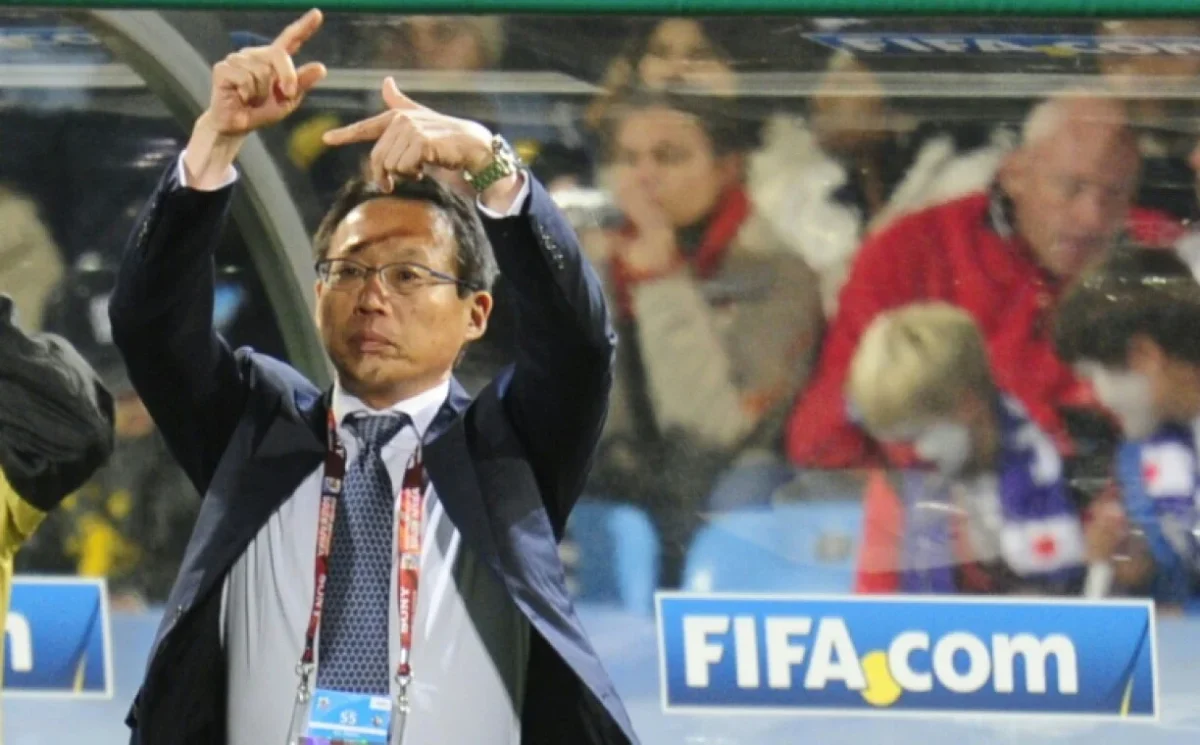
Okada, who coached Japan at the 1998 and 2010 World Cups, said he could no longer accept the gap between his personal convictions and the responses surrounding the tournament. He stressed that he had always valued the social importance of sport and believed it should be conducted with integrity.
Although he acknowledged the practical reasons for Japan aligning its position with the AFC, Okada said he had reached his decision after careful consideration.
His departure has highlighted tensions between football administrators’ institutional relationships and individual convictions about how the sport should be governed. It also raises questions about how national associations balance regional unity with demands for accountability and transparency in international football.