


EDUCATION
HOW NIGERIAN UNIVERSITY LABS CAN BUY RESEARCH REAGENTS THEY CAN TRUST
The quality of research conducted in Nigerian universities depends heavily on the reliability of the materials used in laboratories. From medical and pharmaceutical studies to biotechnology, chemistry and environmental research, laboratory reagents play an important role in producing accurate and reproducible results.
However, sourcing dependable research reagents remains a challenge for many institutions. Counterfeit products, poorly stored chemicals, expired materials and unreliable suppliers can compromise experiments, waste research funds and delay important projects.
To avoid these problems, university laboratories need to adopt more careful purchasing practices. One important step is to buy from reputable suppliers who can provide clear product information, verifiable manufacturing details and proper documentation.
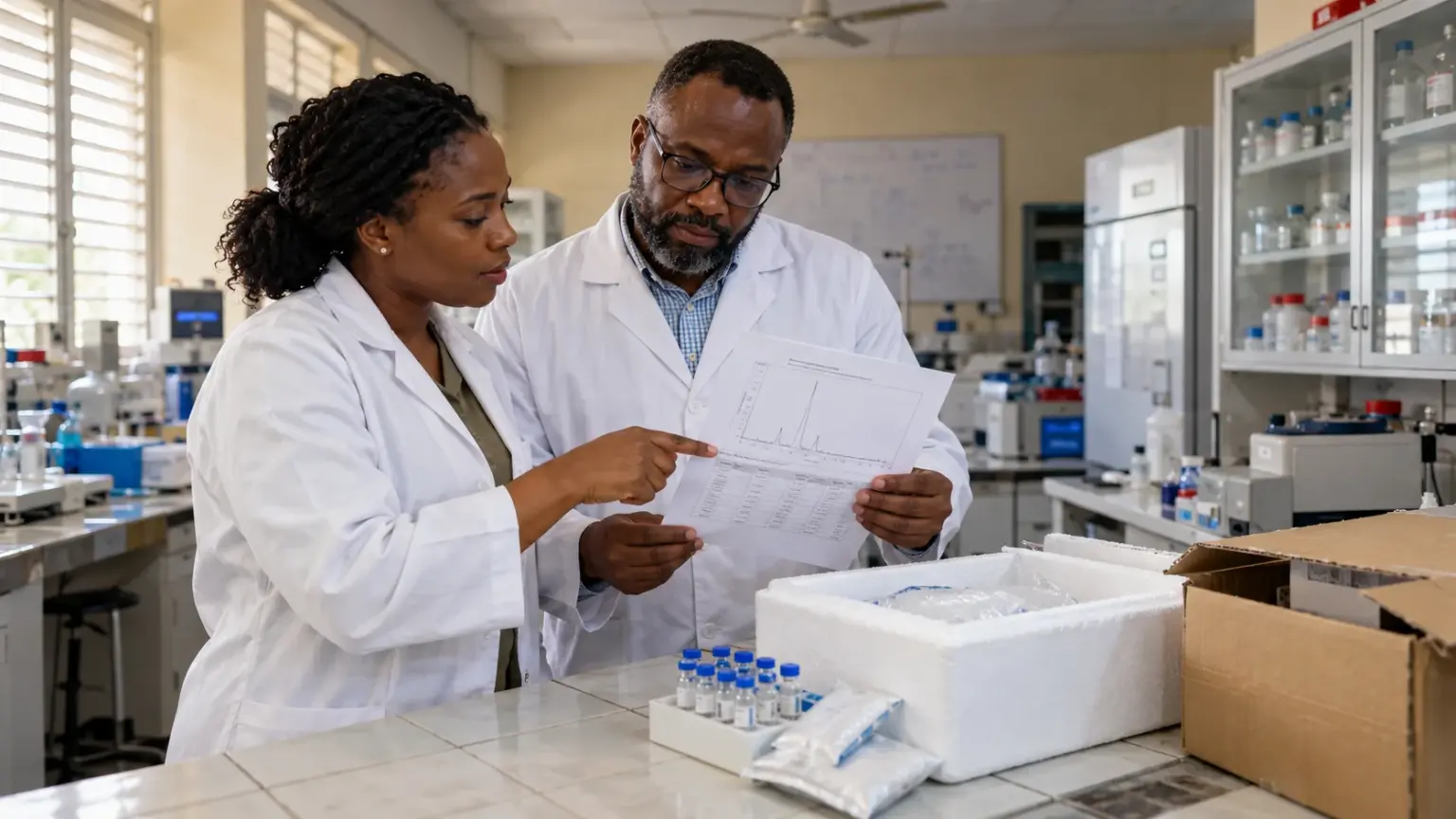
Before making a purchase, laboratory managers and researchers should request certificates of analysis, safety data sheets and relevant quality certifications. These documents help confirm the identity, purity, specifications and safe handling requirements of the reagents.
It is equally important to check product expiry dates, batch numbers, packaging integrity and storage conditions. Some reagents are sensitive to temperature, moisture or light, meaning poor transportation and storage can affect their performance even before they reach the laboratory.
Universities should also assess suppliers based on their track records, delivery reliability, technical support and ability to provide genuine products. Choosing the cheapest available option may appear economical, but unreliable materials can lead to failed experiments and additional expenses.
Establishing approved supplier lists, maintaining proper inventory records and verifying products upon delivery can further improve procurement standards.
Ultimately, trustworthy research depends not only on the skills of scientists but also on the quality of the tools and materials available to them. By strengthening procurement procedures, Nigerian university laboratories can protect research investments and improve the credibility of their scientific findings.