


BUSINESS &ECOMONY
HIGH COSTS, WEAK DEMAND SLOW NIGERIA’S BUSINESS ACTIVITY IN OCTOBER
High Costs, Weak Demand Slow Nigeria’s Business Activity in October
Business activity in Nigeria expanded at a slower pace in October 2026 as high operating costs, unreliable electricity supply and limited access to financing continued to weigh on companies across different sectors of the economy.
The latest Business Confidence Monitor released by the Nigerian Economic Summit Group (NESG) showed that the Current Business Performance Index declined to 115.4 points in October from 117.8 points recorded in September.
Although the index remained above the 100-point threshold, indicating continued expansion, the decline suggests that businesses experienced weaker momentum during the month. The October reading was, however, higher than the 111.3 points recorded in the corresponding period of 2025.
The slowdown came despite a moderation in headline inflation to 14.63 per cent in September from 15.39 per cent in August. Food inflation, however, remained elevated at 19.59 per cent, continuing to put pressure on household purchasing power and consumer spending.
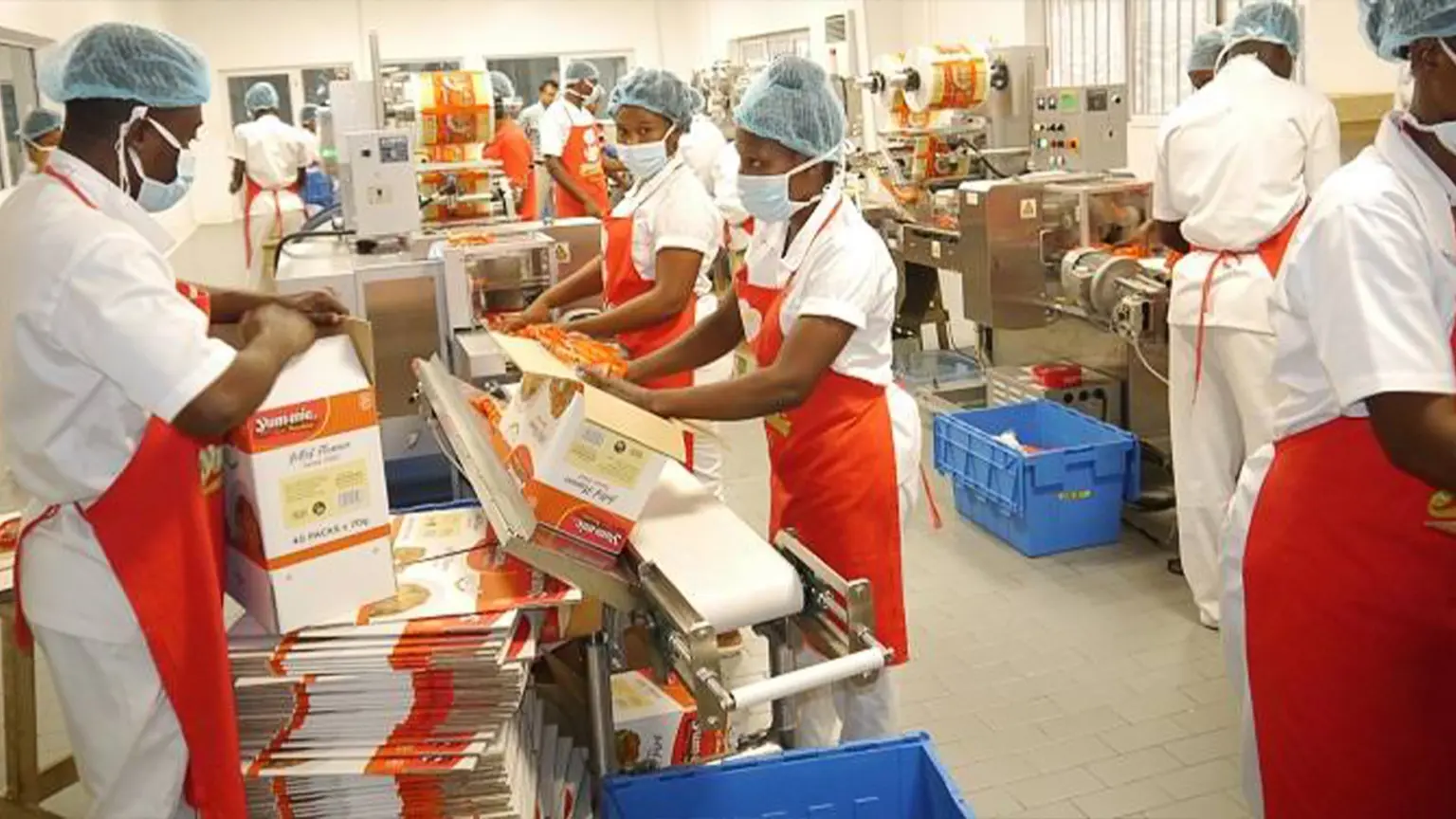
Manufacturers remained among the businesses facing significant operational challenges. According to figures from the Manufacturers Association of Nigeria, operators spent approximately ₦1.35 trillion on alternative energy in 2025, compared with ₦1.1 trillion in 2024, as unreliable electricity supply forced companies to depend heavily on generators and other power sources.
Energy costs now account for more than 40 per cent of manufacturing expenses, leaving businesses with fewer resources for expansion, equipment maintenance and workforce development.
The high cost of borrowing has also restricted access to working capital, making it difficult for some companies to increase production and invest in new opportunities.
The NESG report showed that Trade and Services were the only sectors to record improved performance compared with September. Manufacturing and Agriculture continued expanding but at slower rates, while export activity slipped into contraction territory.
Despite the challenges, business expectations improved, with the Future Business Expectation Index rising to 130.8 points from 128.9 points in September.
The findings highlight the need for reliable electricity, affordable financing and improved infrastructure to strengthen business confidence and sustain economic growth in Nigeria.