


HEALTH
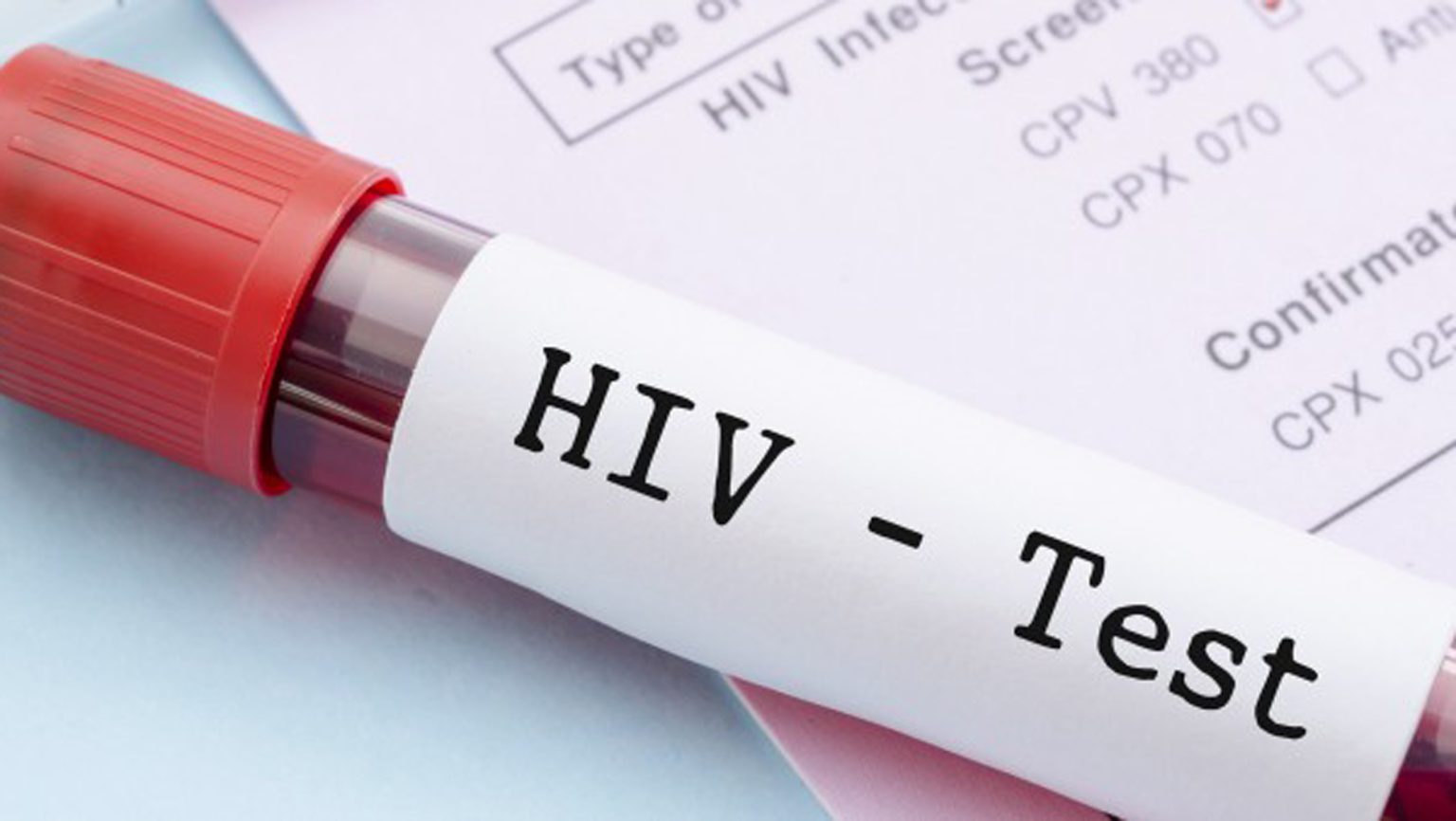
‘FOUR IN 10 HIV POSITIVE PERSONS IN LAGOS UNAWARE OF STATUS’
Health authorities have raised concerns over the number of people living with HIV in Lagos State who are unaware of their infection status, with estimates indicating that approximately four out of every 10 HIV-positive residents do not know they have the virus.
The development highlights persistent gaps in HIV testing, early diagnosis and access to healthcare, despite years of public awareness campaigns and expanded treatment programmes across Nigeria.
Health experts warn that people who do not know their HIV status may unknowingly transmit the virus to others, particularly when they are not receiving appropriate treatment. This makes regular testing an important part of efforts to control the spread of the infection.
The situation also presents a challenge to Lagos State's ambition of achieving the global 95-95-95 HIV targets. These targets seek to ensure that 95 per cent of people living with HIV know their status, 95 per cent of those diagnosed receive sustained antiretroviral treatment, and 95 per cent of those receiving treatment achieve viral suppression.
Achieving these targets requires stronger community-based testing, affordable healthcare services and improved access to accurate information about HIV prevention and treatment.
Health workers also emphasise the importance of addressing stigma and discrimination, which continue to discourage some people from seeking testing or disclosing their status. Fear of rejection, social judgement and discrimination can prevent individuals from accessing services even when testing facilities are available.
Meanwhile, modern HIV treatment has significantly improved the outlook for people living with the virus. With consistent use of prescribed antiretroviral medication, patients can live long and healthy lives. Those who achieve and maintain an undetectable viral load do not transmit HIV through sexual contact.
The reported situation in Lagos underscores the need for increased investment in HIV awareness, testing centres, counselling and treatment services.
For public health authorities, the priority is ensuring that more residents know their HIV status and that everyone diagnosed can access treatment without discrimination. Early diagnosis and sustained treatment remain essential to reducing new infections and controlling the epidemic.