


TECHNOLOGY
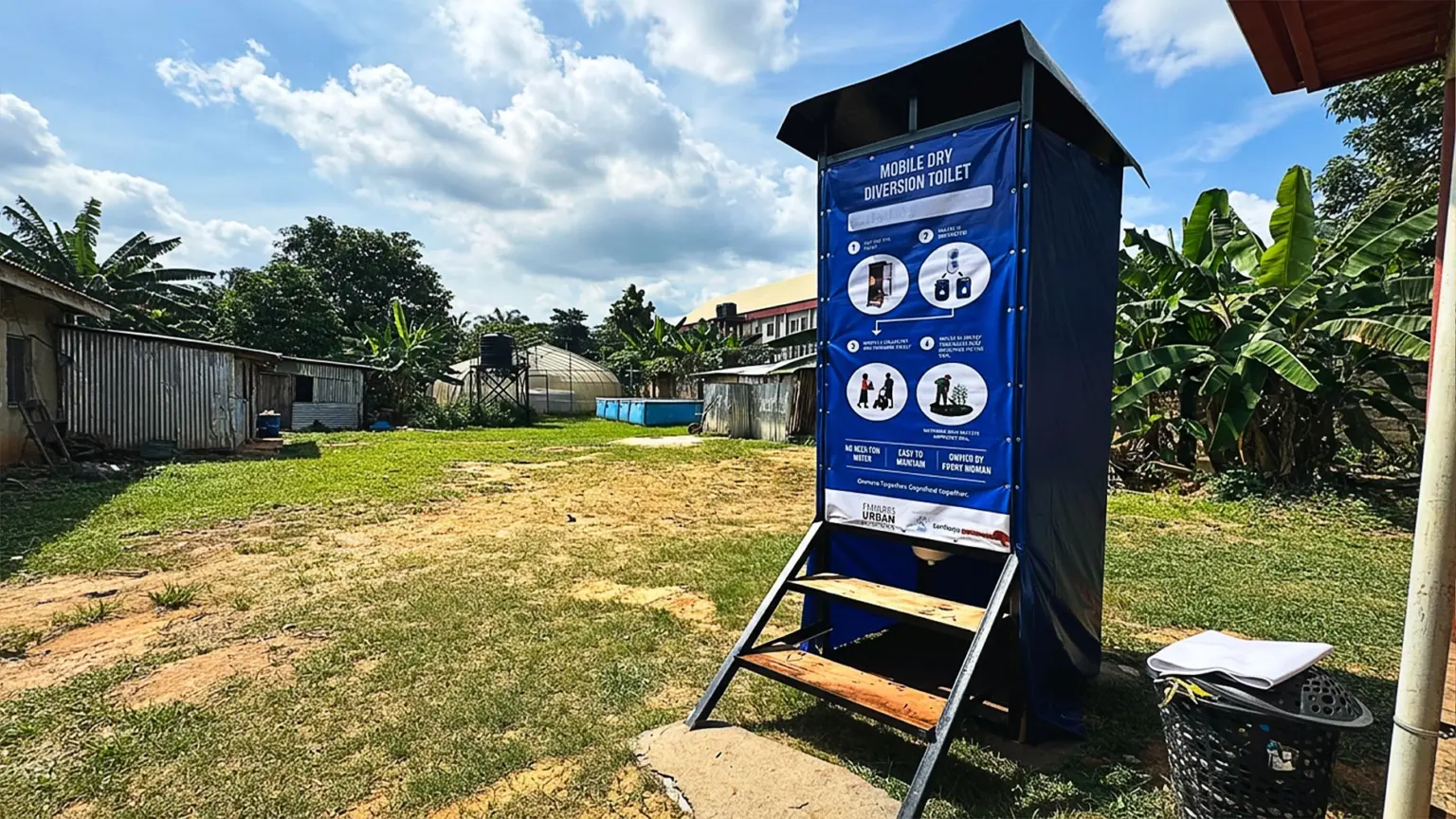
FOUNDATION ADVOCATES WOMEN-OWNED HOUSEHOLD TOILETS IN LAGOS, ENUGU
The Urban Nigeria Foundation has called on federal and state governments to subsidise household toilets owned by women, particularly in low-income communities where inadequate sanitation exposes women to sexual harassment and violence.
The foundation's Founder-Director, Professor Fabienne Hoelzel, made the appeal as the world marked World Toilet Day, highlighting the safety challenges faced by women who do not have private toilets in their homes.
She explained that some women in Lagos communities resort to using bags or bottles inside their rooms at night and disposing of the waste the following morning because they fear going outside to access shared facilities.
According to her, shared toilets do not completely address the problem because women still have to leave their rooms and walk through potentially unsafe surroundings.
To address the challenge, the foundation introduced the Mobile Dry Diversion Toilet (MDDT), a household sanitation facility that operates without water, electricity or a sewer connection.
The foundation has constructed 45 units with women in Lagos, 10 in Enugu and two in Nairobi. The toilets separate urine and faeces for collection and transportation to farms or treatment facilities.
Each unit costs approximately $500, including maintenance, while a composting facility capable of processing waste from 10 toilets costs about $5,000.
Hoelzel said sanitation projects often focus on construction while neglecting essential services such as waste collection, processing, repairs and maintenance.
She urged governments, donors and development partners to fund both the construction and continued operation of women-owned toilets, arguing that safe household sanitation should be treated as essential public infrastructure rather than a commercial investment.