


ENERGY
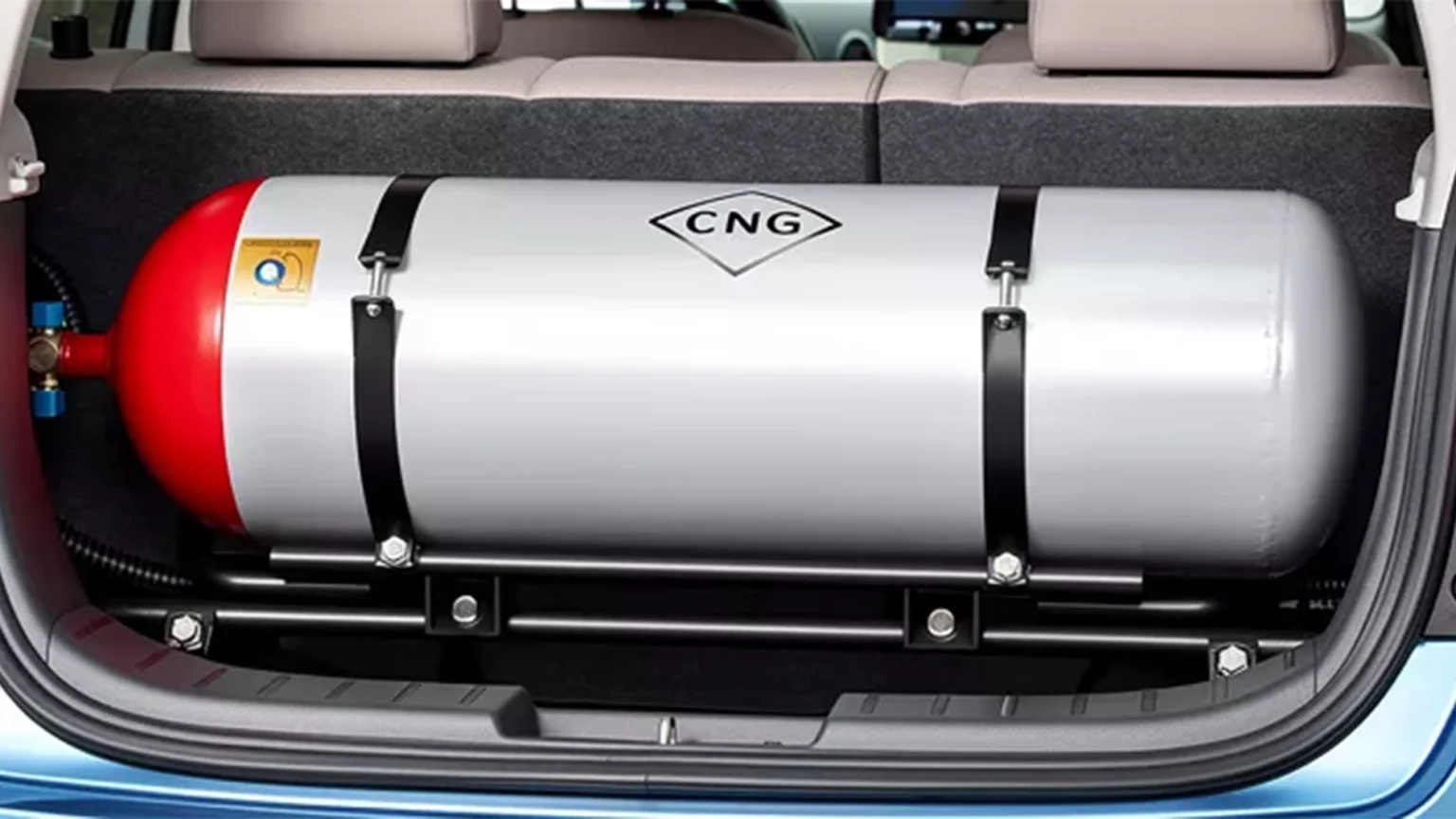
FG LEADS CNG TRANSITION, REOPENS ABANDONED FUEL STATION, PLANS STAFF VEHICLE CONVERSION
The Federal Government has intensified efforts to promote the use of Compressed Natural Gas (CNG) as an alternative to petrol and diesel, reopening an abandoned filling station at the State House in Abuja as a CNG refuelling facility.
The initiative forms part of the government's strategy to encourage cleaner and more affordable energy while expanding the infrastructure needed to support the country's transition to alternative fuels.
The Permanent Secretary of the State House, Temitope Fashedemi, disclosed this during the inauguration of the facility in Karu, Abuja, on November 6, 2026. He said the project was executed through a partnership involving the State House, the Presidential Initiative on Compressed Natural Gas and Electric Vehicles (Pi-CNG & EV), and Rollin Energy Limited.
Fashedemi explained that the State House provided the abandoned facility for conversion, while the private-sector partner handled its rehabilitation and installation of the necessary equipment without cost to the government.
He said the initiative was designed to demonstrate the viability of CNG infrastructure and encourage private investors to establish more refuelling stations and vehicle conversion centres across the country.
The Permanent Secretary also disclosed that the State House had begun integrating CNG technology into its vehicle fleet. About 10 recently acquired JAC vehicles are hybrid models, alongside shuttle buses operating within the Presidential Villa.
He added that interested State House employees would soon be invited to convert eligible personal vehicles to CNG-hybrid systems, subject to technical assessments.
Chairman of Pi-CNG & EV, Ismael Ahmed, said Nigeria had 106 operational CNG refuelling stations, with another 170 at different stages of development or regulatory approval at the time of the inauguration.
The facility is expected to serve approximately 150 vehicles daily, while its conversion centre can handle about 12 vehicles per day.
The government said expanding CNG infrastructure would help reduce transportation costs and create opportunities for private investment in Nigeria's energy sector.