


GOVERNMENT & POLICY
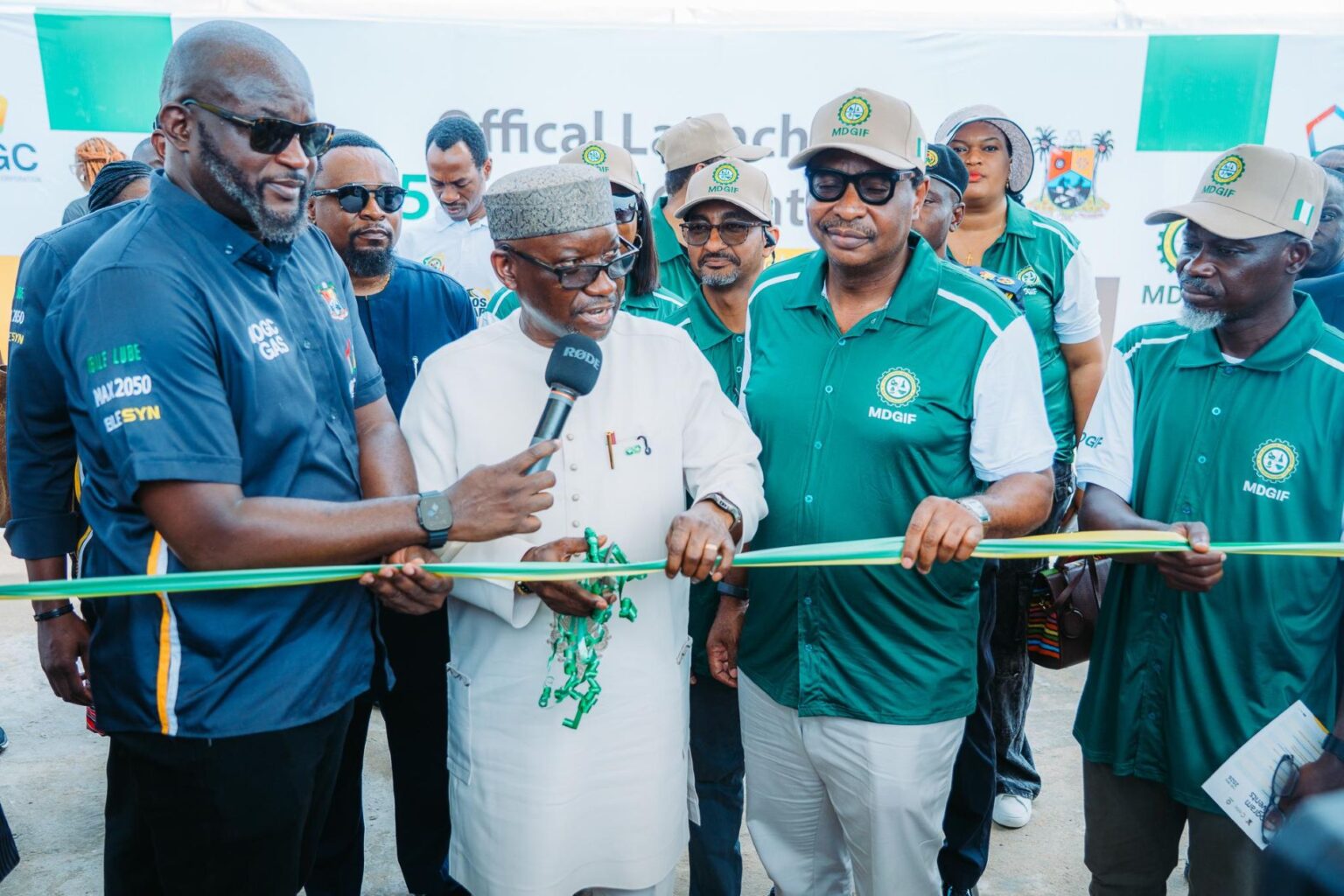
FG EXPANDS CNG NETWORK WITH FIVE NEW STATIONS IN LAGOS
The Federal Government has expanded its Compressed Natural Gas (CNG) infrastructure in Lagos with the addition of five new stations, as part of efforts to promote cleaner and more affordable alternatives to petrol and diesel.
The expansion is expected to improve access to CNG for motorists and transport operators in the state, while supporting the government's broader initiative to reduce dependence on conventional petroleum fuels.
The CNG programme was introduced as part of the Federal Government's response to the removal of the petrol subsidy, which significantly increased transportation costs and placed additional pressure on households and businesses.
By expanding the network of refuelling stations, the government hopes to encourage more commercial transport operators, private vehicle owners and businesses to convert their vehicles to run on natural gas.
CNG is generally cheaper than petrol and can help reduce operating expenses for transport businesses. It also produces fewer harmful emissions than several conventional fuel alternatives, making it an attractive option for cleaner transportation.
The additional stations are expected to ease access challenges that have previously discouraged some motorists from switching to gas-powered vehicles.
The Federal Government has continued to invest in CNG infrastructure, vehicle conversion initiatives and partnerships with private operators to accelerate adoption across the country.
However, stakeholders have emphasised the need for adequate safety standards, reliable gas supply, trained technicians and wider distribution networks to ensure the programme's success.
The expansion in Lagos represents another step in the government's efforts to develop alternative energy infrastructure and provide Nigerians with more affordable transportation options.