


ENERGY
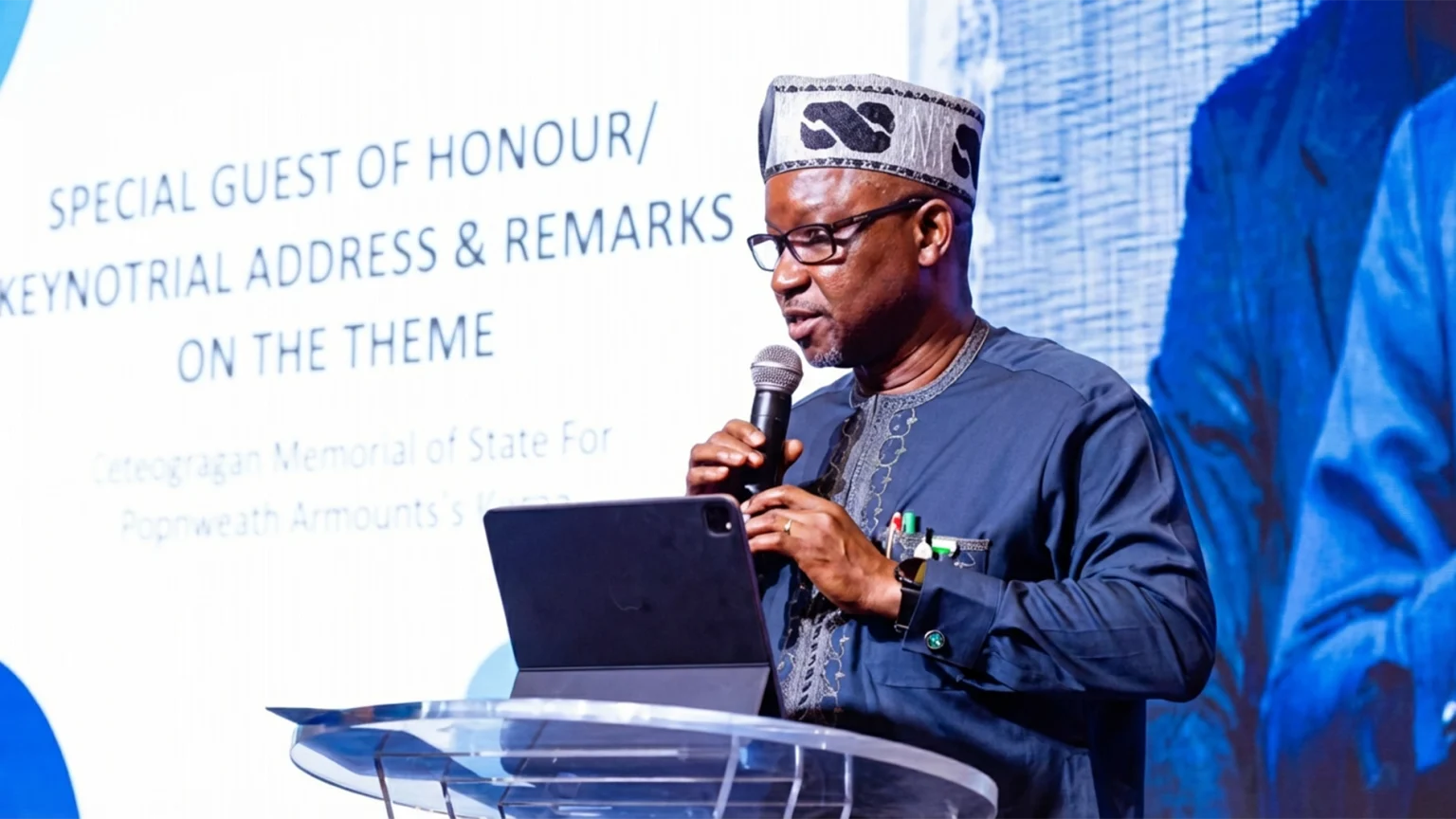
FG BANKS ON AKK GAS PIPELINE AS NEW CNG FACILITIES TARGET 2,500 VEHICLES DAILY
The Federal Government is looking to the Ajaokuta-Kaduna-Kano (AKK) gas pipeline to strengthen Nigeria’s compressed natural gas (CNG) infrastructure, as new facilities are expected to support the conversion and fuelling of up to 2,500 vehicles daily.
The initiative forms part of efforts to expand the use of natural gas as an alternative to petrol and diesel, reduce transportation costs and improve access to more affordable energy.
The AKK pipeline is a major component of Nigeria’s domestic gas infrastructure. Its development is expected to improve the transportation of natural gas from the southern part of the country to northern markets, providing additional supply for industries, power generation and CNG-related businesses.
The planned CNG facilities are expected to increase the availability of gas for vehicle owners and commercial transport operators. Expanding refuelling infrastructure is considered essential to encouraging more Nigerians to adopt CNG-powered vehicles.
The Federal Government has been promoting CNG as part of its response to rising transportation costs and the need to diversify the country's energy sources. The programme also seeks to encourage private-sector participation in gas distribution, vehicle conversion and related services.
However, achieving the daily target will depend on reliable gas supply, efficient distribution networks, adequate refuelling facilities and public confidence in the technology.
The expansion could support the development of Nigeria's domestic gas market while offering motorists an alternative to conventional fuels.
The government’s broader ambition is to build an accessible CNG ecosystem capable of supporting commercial transportation and reducing the country's dependence on petrol and diesel.