


ECONOMY & DEVELOPMENT
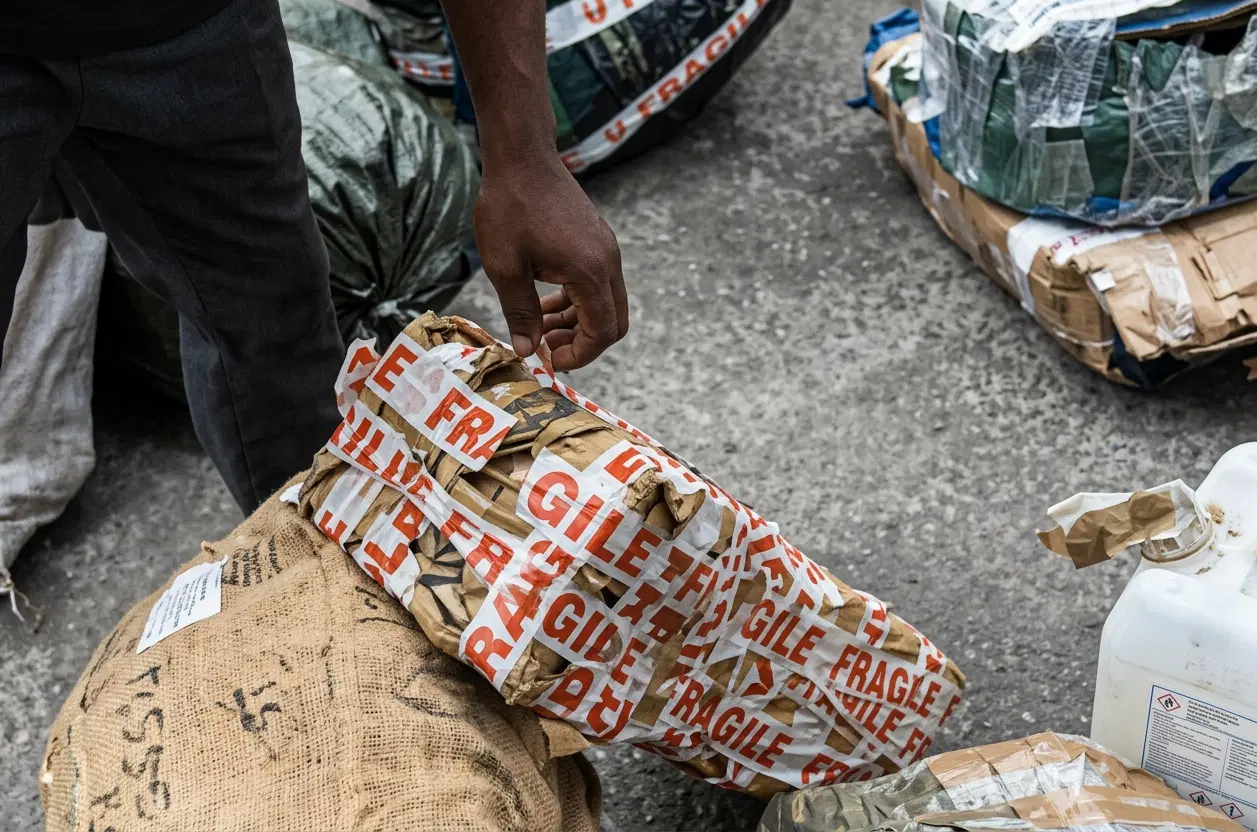
ECONOMY PALAVA: TRADERS DECRY RISING WAYBILL ‘STORE KEEP’ CHARGES
Traders have expressed concern over rising waybill and so-called 'store keep' charges, warning that the additional costs are putting further pressure on businesses already struggling with Nigeria's difficult economic conditions.
The charges, which affect the movement and handling of goods, have become a source of frustration for traders who say increasing transportation and logistics expenses are making it more expensive to move products from suppliers to markets.
Many businesses are already dealing with high operating costs arising from inflation, fuel prices, electricity expenses and fluctuations in the cost of goods. The additional charges are adding to these challenges and reducing profit margins.
For small-scale traders, who often operate with limited capital, unexpected fees can significantly affect their ability to restock goods and maintain competitive prices.
Some traders may also be forced to transfer the additional expenses to consumers, potentially contributing to higher prices in markets and increasing the financial burden on households.
The complaints have renewed calls for greater transparency in the collection of waybill and storage-related charges, with traders seeking clearer explanations of the fees and how they are determined.
As businesses continue to navigate the challenging economic environment, stakeholders are concerned that rising logistics costs could further weaken trading activities and affect the affordability of essential goods.
Traders are urging relevant authorities and operators to address excessive charges and introduce measures that will make the movement of goods more affordable and predictable.