


ECONOMY & DEVELOPMENT
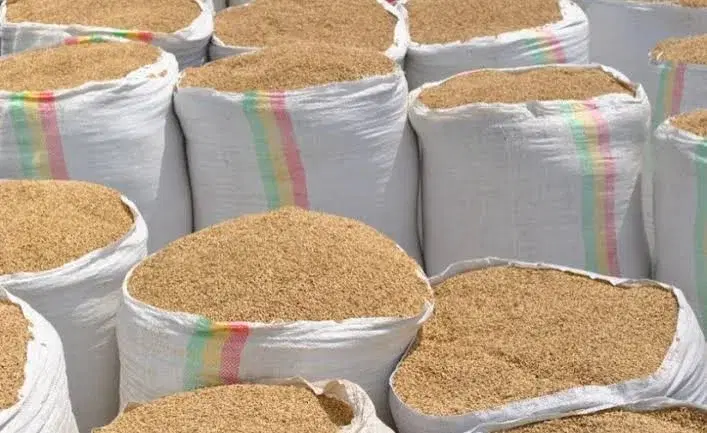
ECONOMY: FOOD WAREHOUSES NOW SPLIT WHOLESALE BAGS AS RETAILERS BATTLE INFLATION
Food warehouses and wholesale distributors in Nigeria are increasingly breaking large bags of food items into smaller quantities as retailers struggle with rising prices and declining consumer purchasing power.
The development reflects the growing pressure on businesses and households as persistent inflation continues to affect the cost of essential food commodities. With many consumers finding it difficult to afford full bags of rice, beans, garri and other staples, retailers are adjusting their purchasing patterns to accommodate smaller budgets.
Traditionally, wholesalers sold food items in large quantities to retailers, who then distributed them to consumers. However, the current economic situation has forced changes in this arrangement, with some warehouses now selling portions of wholesale bags to traders who cannot afford to purchase entire bags.
The trend is also affecting small-scale retailers, many of whom are operating with limited capital and facing higher replacement costs. Buying smaller quantities allows them to continue trading without committing substantial funds to stock.
For consumers, the practice may provide easier access to food within tight budgets, although buying in smaller quantities can sometimes mean paying more per unit compared with purchasing larger packages.
The situation highlights how inflation is changing the structure of Nigeria's food retail market, from wholesale distribution to everyday household shopping habits.
Food prices have remained a major concern for Nigerians, with rising transportation costs, production expenses, insecurity in farming communities and supply chain challenges contributing to the pressure.
As retailers and consumers continue to adjust, the growing practice of splitting wholesale bags reflects the wider impact of inflation on businesses and household spending.
Without sustained improvements in food production, distribution and affordability, small traders and low-income households are likely to remain under considerable pressure.