


PEOPLE & POLITICS
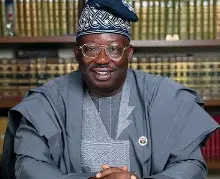
DESPITE ₦166.79TN DEBT, TINUBU’S REFORMS YET TO LIFT 140M NIGERIANS OUT OF POVERTY, OYE SAYS
A political commentator, Oye, has criticised the economic reforms of President Bola Tinubu, arguing that despite Nigeria's reported ₦166.79 trillion debt, the policies have yet to translate into meaningful improvements in the living conditions of about 140 million Nigerians said to be living in poverty.
Oye's remarks have renewed debate over the impact of the administration's economic policies, particularly as households and businesses continue to grapple with rising living costs, reduced purchasing power and financial pressures.
Since assuming office in May 2023, Tinubu has introduced major economic changes, including the removal of the petrol subsidy and reforms to the foreign exchange market. The government has defended the measures as necessary steps towards stabilising the economy, attracting investment and improving long-term growth.
However, critics argue that the immediate effects have placed considerable pressure on ordinary Nigerians, with higher transportation, food and energy costs worsening the economic difficulties faced by many households.
The country's rising public debt has also attracted scrutiny, with questions being raised about the sustainability of borrowing and whether the funds are delivering sufficient economic and social benefits.
Oye's criticism centres on the gap between government reform objectives and the everyday experiences of citizens, particularly those struggling to meet basic needs.
The debate highlights the growing demand for economic policies that deliver measurable improvements in employment, income levels, food affordability and access to essential services.
For many Nigerians, the ultimate measure of economic recovery will be whether the reforms lead to better living conditions and a meaningful reduction in poverty.