


BUSINESS &ECOMONY
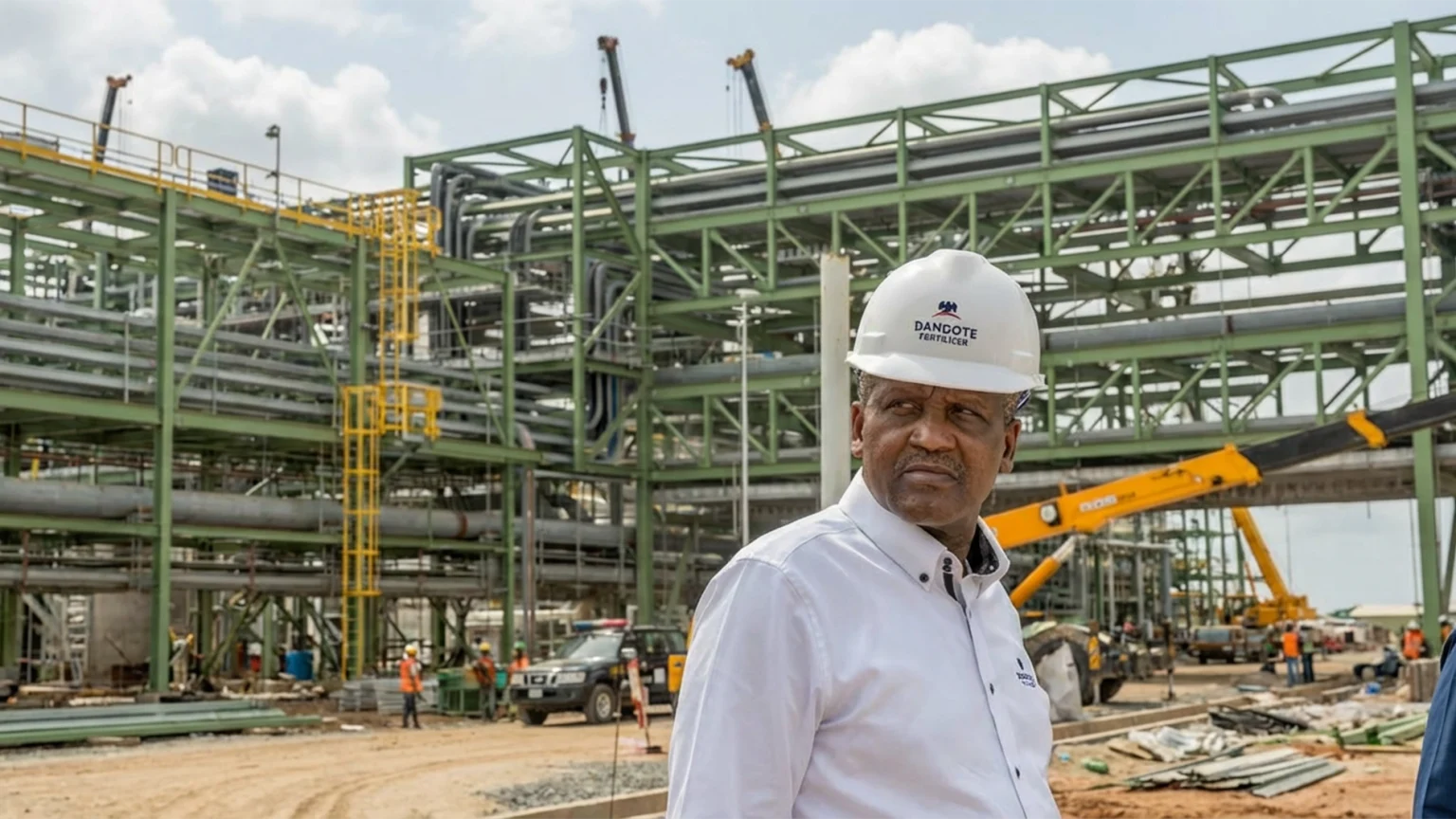
DANGOTE REFINERY TARGETS DECEMBER LISTING AS NGX MARKET VALUE EYES N230TR
The Dangote Petroleum Refinery is targeting an early December 2026 listing on the Nigerian Exchange Limited (NGX), following the successful closure of its ₦2.15 trillion initial public offering (IPO), in a development expected to significantly expand the country's stock market.
The proposed listing could push the NGX's total market capitalisation towards ₦230 trillion, strengthening the position of Nigeria's capital market as a destination for major industrial investments.
The refinery's public offer, which closed on October 27, involved 4.1 billion ordinary shares priced at ₦525 each. If fully subscribed, the offer is expected to generate approximately ₦2.15 trillion in gross proceeds.
The IPO attracted considerable investor interest, with reports indicating that domestic orders reached approximately ₦6.4 trillion, nearly three times the base offer. However, final allotment figures remain subject to regulatory approval.
IntelliNews+1
According to the revised offer timetable, registrars are expected to complete the collation of applications, while the proposed basis of allotment is scheduled for submission to the Securities and Exchange Commission (SEC) on November 10. Regulatory clearance is targeted for November 17.
Following the necessary approvals and settlement procedures, the refinery's shares are expected to commence trading around December 8, although the date remains subject to regulatory processes.
The Guardian+1
At the offer price of ₦525 per share, Dangote Refinery has an indicative post-offer market capitalisation of approximately ₦65.22 trillion, potentially making it one of the largest companies listed on the Nigerian Exchange.
Beyond expanding the stock market, the proceeds from the IPO are expected to support the refinery's ambitious expansion programme, which aims to increase its production capacity to 1.4 million barrels per day.
The proposed listing is also expected to deepen investor participation by giving individuals and institutional investors an opportunity to own shares in one of Africa's most significant industrial projects.
For Nigeria's capital market, the development could represent a major milestone, attracting fresh attention to the equities market and strengthening opportunities for long-term investment.
However, the actual impact on market capitalisation will depend on the final number of shares admitted to trading and the price investors are willing to pay once trading begins.