


TECHNOLOGY
CLIMATE SHOCKS COST NIGERIAN TELCOS, OTHERS $1.7B YEARLY, FUEL DIGITAL DIVIDE
Climate-related disruptions are costing Nigeria's telecommunications and other infrastructure-dependent industries an estimated $1.7 billion annually, worsening operational challenges and threatening efforts to expand digital connectivity.
The financial losses are linked to extreme weather events and environmental disruptions that damage infrastructure, interrupt services and increase the cost of maintaining critical facilities.
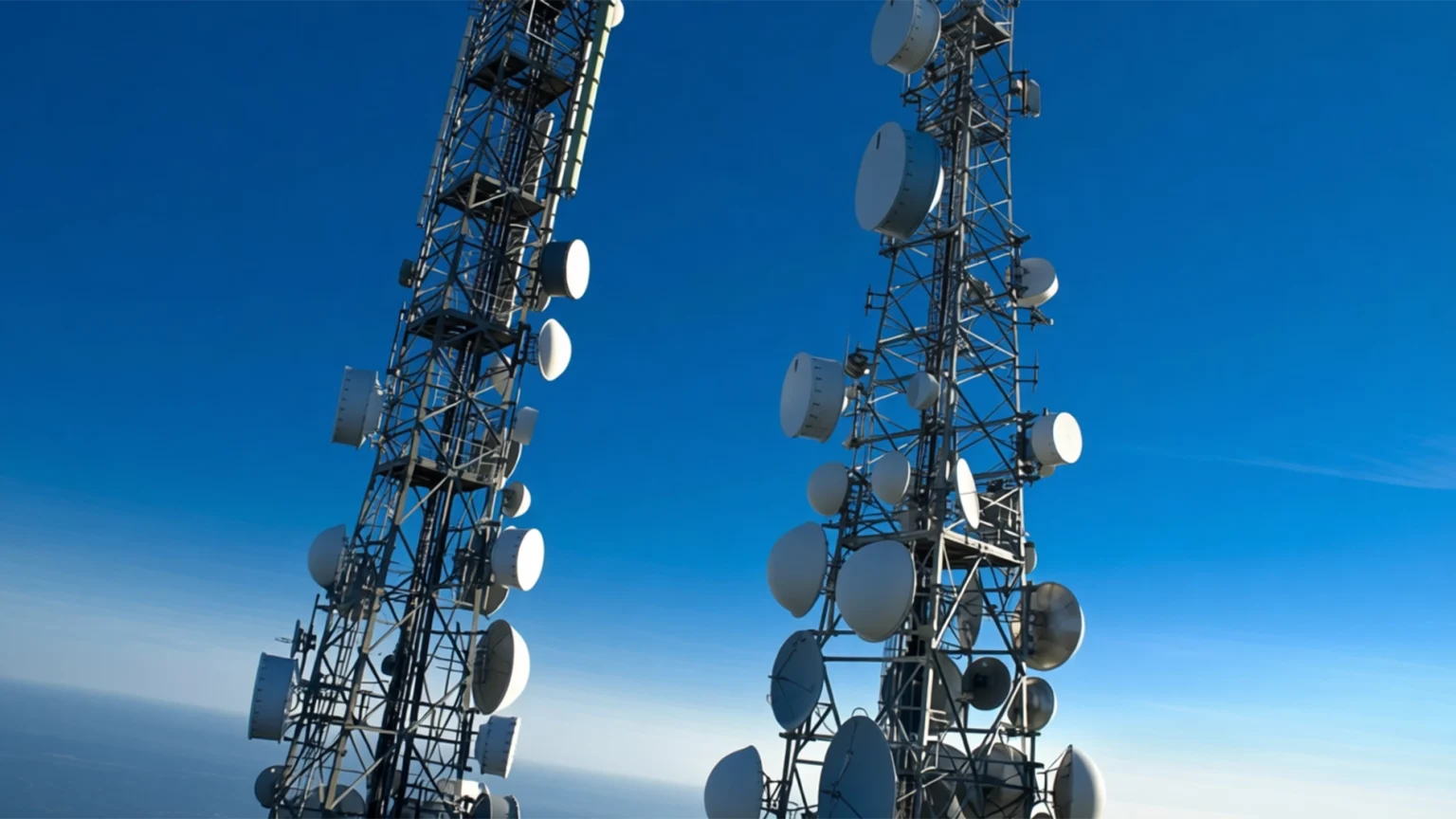
For telecommunications companies, flooding, storms, extreme heat and other climate-related incidents can damage base stations, fibre-optic cables, power systems and other network facilities. Such disruptions can leave communities without reliable communication services and force operators to spend more on repairs and infrastructure protection.
The growing impact of climate shocks also threatens Nigeria's efforts to close the digital divide, particularly in rural and underserved communities where access to reliable telecommunications services remains limited.
When network infrastructure is damaged or service delivery becomes expensive, operators may struggle to extend coverage to areas where commercial returns are already uncertain. This can widen the gap between urban communities with stronger connectivity and rural populations with limited digital access.
The situation highlights the need for telecommunications companies and other infrastructure operators to adopt climate-resilient investment strategies.
Stakeholders have emphasised the importance of stronger infrastructure design, improved disaster preparedness, alternative power solutions and better coordination between government agencies and private sector operators.
Nigeria's digital economy.