


ECONOMY
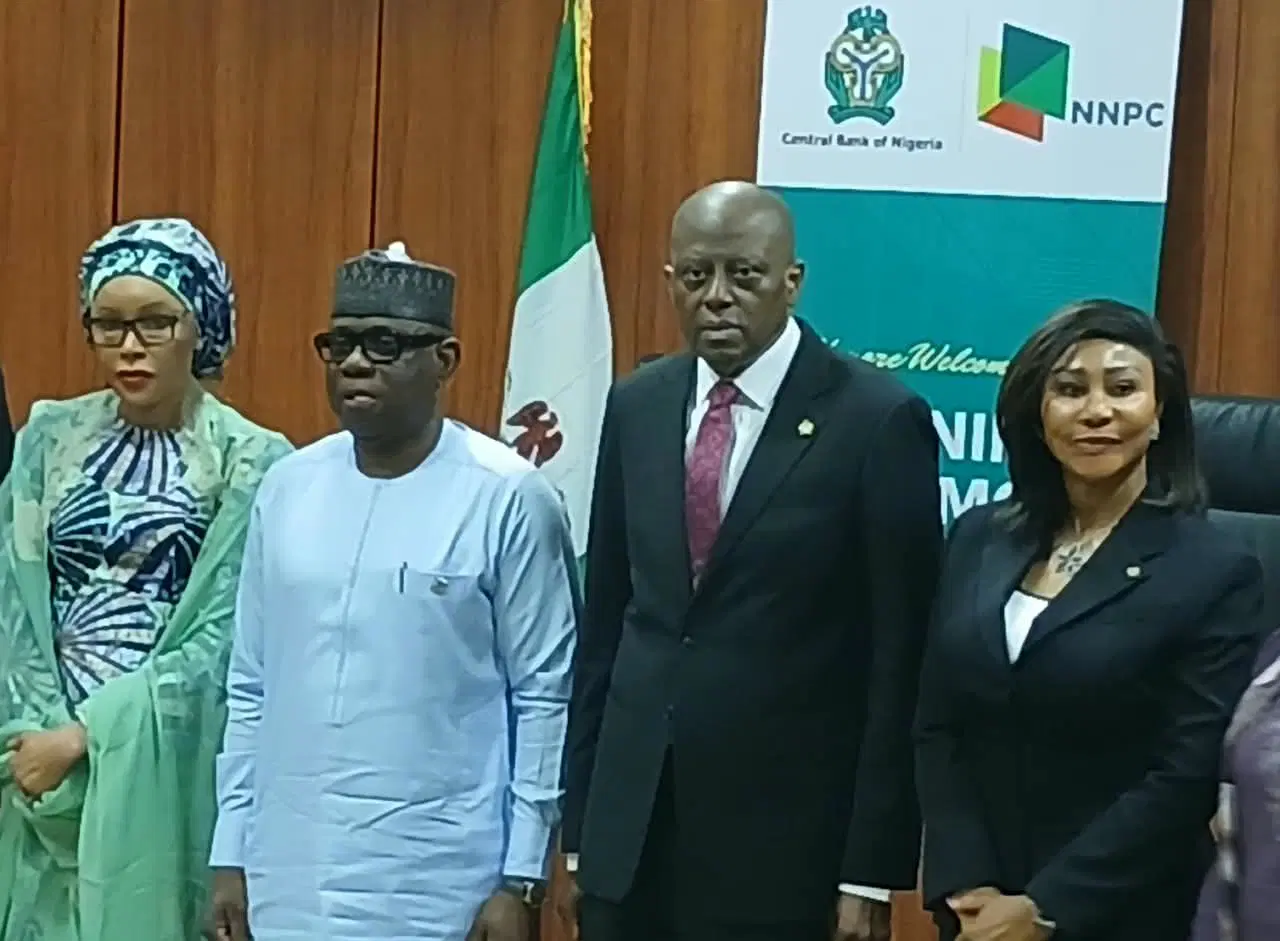
CBN, NNPCL SIGN MOU TO BOOST FX RESERVES, INVESTOR CONFIDENCE
The Central Bank of Nigeria (CBN) and the Nigerian National Petroleum Company Limited (NNPCL) have signed a Memorandum of Understanding (MoU) aimed at strengthening Nigeria’s foreign exchange reserves, improving transparency in foreign currency flows and boosting investor confidence.
The agreement is expected to enhance coordination between the two institutions in managing foreign exchange earnings from the oil and gas sector, a major source of foreign currency for the country.
The partnership is also expected to support efforts to improve the inflow of forex into the economy, reduce pressure on the naira and strengthen the country's external reserves amid ongoing efforts to stabilise the foreign exchange market.
The MoU is expected to establish a framework for closer collaboration between the CBN and NNPCL, particularly in areas relating to foreign exchange management, revenue repatriation and the efficient handling of proceeds from Nigeria’s petroleum exports.
Improving the transparency and predictability of forex inflows could help strengthen market confidence, support reserve accumulation and improve Nigeria’s ability to meet international obligations.
Investor confidence remains an important factor in attracting foreign capital, supporting economic growth and improving stability in the foreign exchange market. A more coordinated approach between the country’s monetary authorities and its national oil company could help address concerns about forex availability and the management of oil-related earnings.
The agreement signals renewed efforts by both institutions to strengthen the connection between Nigeria’s oil revenue and broader economic stability, as the country continues to pursue reforms aimed at improving foreign exchange liquidity and attracting investment.