


BUSINESS &ECOMONY
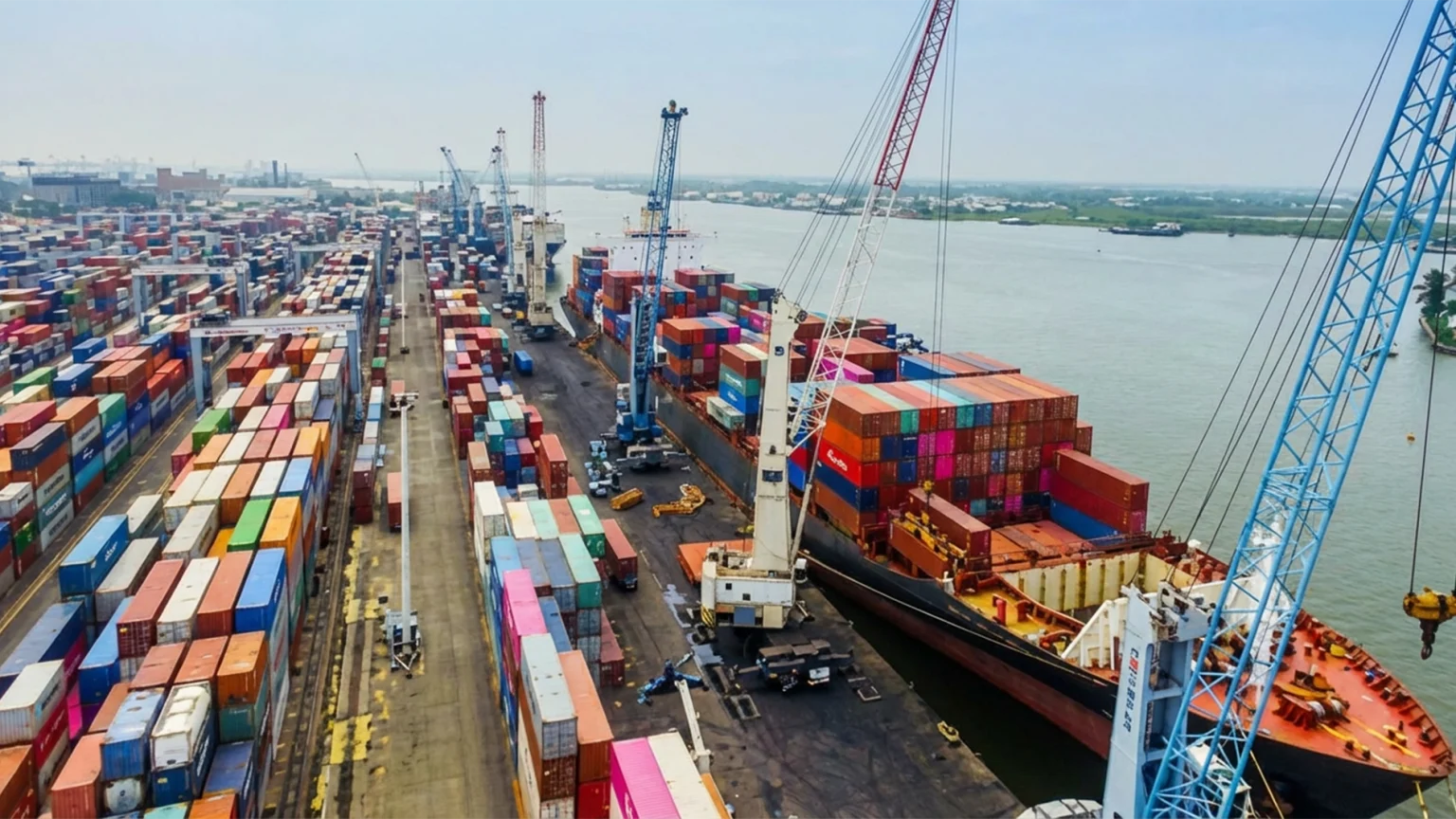
BUSINESS GROUPS PUSH FOR UNIFIED SOLUTION TO PORT GRIDLOCK, RISING OPEX
Business groups have called for a coordinated approach to tackling persistent port congestion and rising operating expenses, warning that the challenges continue to increase costs for importers, exporters and manufacturers across Nigeria.
The groups said delays in cargo clearance, traffic congestion around port corridors and inefficiencies in logistics operations were placing additional pressure on businesses already grappling with high transportation costs, inflation and foreign exchange volatility.
They stressed that resolving the challenges would require stronger collaboration among government agencies, port operators, shipping companies, transport unions and private sector stakeholders.
Port congestion remains a major concern for businesses that depend on the timely movement of raw materials, machinery and finished goods. Delays can lead to higher demurrage charges, increased storage costs and disruptions to production schedules.
Manufacturers and traders warn that these expenses are often passed on to consumers through higher prices, further worsening the cost of living.
Business groups have therefore urged authorities to improve road access to ports, strengthen cargo-handling capacity, simplify documentation procedures and accelerate the adoption of digital systems for customs clearance and other regulatory processes.
They also called for better coordination among agencies operating at the ports to reduce duplication, eliminate unnecessary delays and improve the predictability of cargo movement.
The groups maintained that a unified strategy should include clear implementation timelines, regular engagement with industry operators and measurable performance targets to ensure lasting improvements.
They argued that efficient ports are essential to Nigeria’s trade competitiveness, industrial growth and ability to attract investment.
According to the stakeholders, addressing congestion and reducing operating expenses would help businesses manage costs, improve productivity and strengthen the country’s position in regional and international markets.