


GOVERNMENT & POLICY
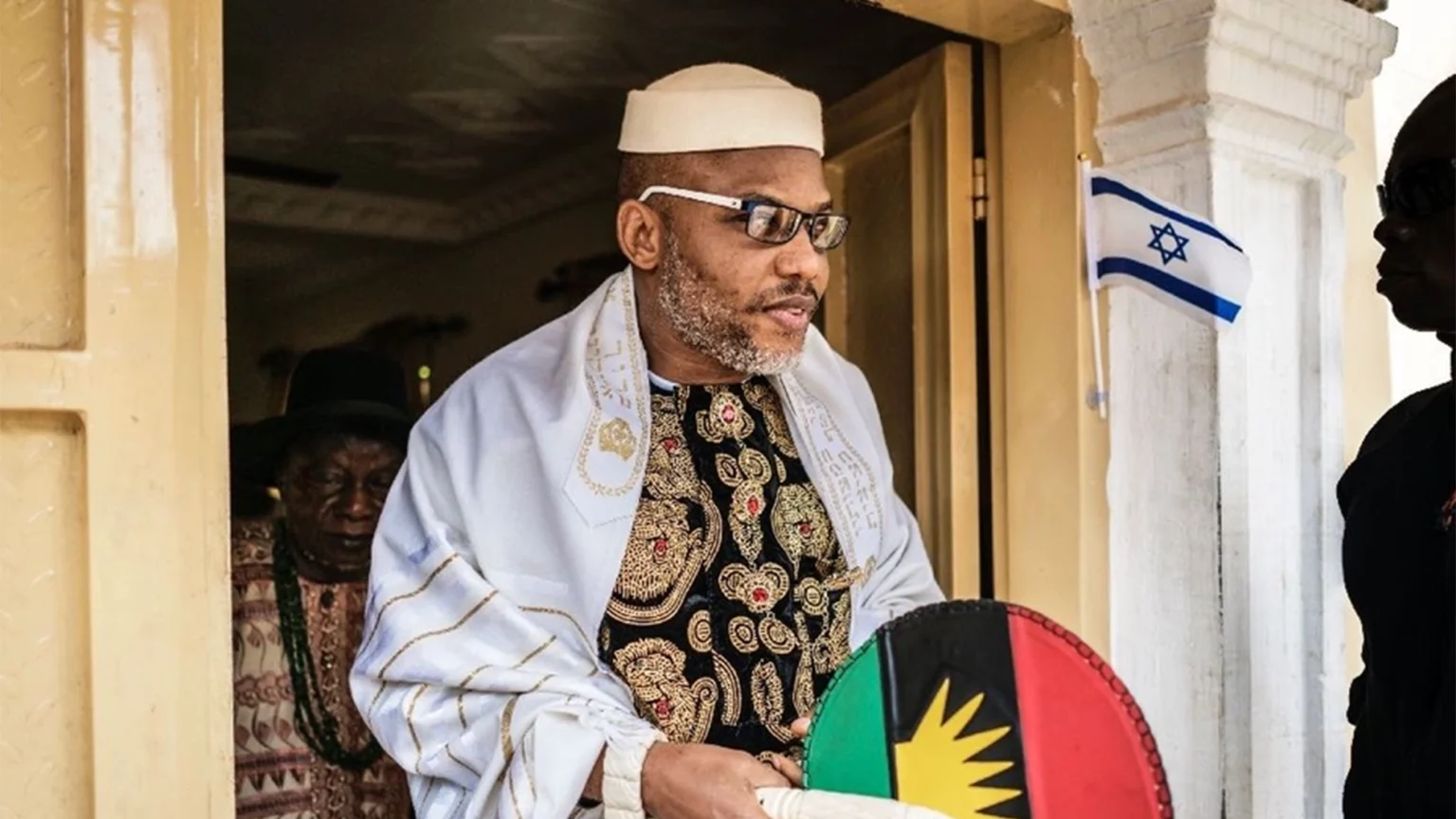
BIAFRA GOVERNMENT-IN-EXILE DISOWNS NNAMDI KANU
the Indigenous People of Biafra (IPOB), in a development that could further complicate the politics surrounding the Biafra separatist movement.
The reported decision raises questions about the relationship between the group and Kanu, whose leadership of IPOB has made him a central figure in the campaign for an independent Biafran state.
The Biafra separatist agitation has remained a sensitive issue in Nigeria, particularly across the South-East, where disagreements over political representation, regional development and self-determination continue to influence public discourse.
Kanu and IPOB have been at the centre of several legal and political controversies, while the group's activities and separatist demands have attracted strong reactions from the Federal Government and other stakeholders.
The reported disassociation by the government-in-exile could signal disagreements over leadership, strategy or the direction of the broader separatist campaign. However, the specific reasons behind the decision and its implications for the movement remain important details.
The development also raises questions about how different groups claiming to represent Biafra relate to one another and whether they share a common political agenda.
As reactions emerge, attention is likely to focus on the possible consequences for the separatist movement and its supporters.
The situation further highlights the complex political dynamics surrounding the Biafra question, which remains a contentious subject in Nigeria's national conversation.