


POLITICS
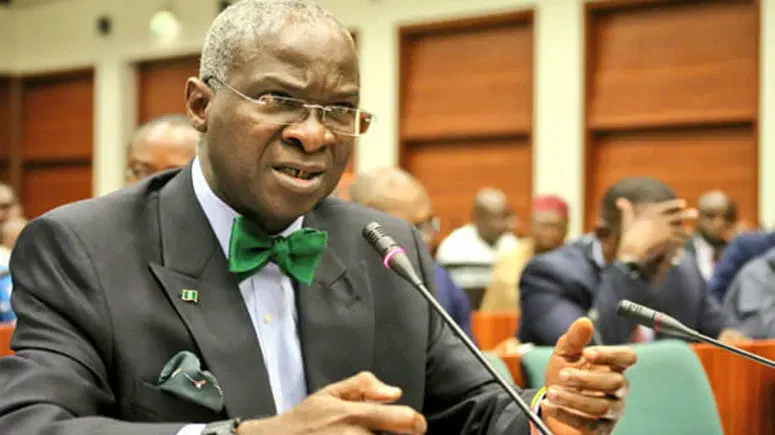
ATIKU’S FUEL SUBSIDY REVERSAL PLAN NOT REALISTIC — FASHOLA
Former Minister of Works, Babatunde Fashola, has described former Vice-President Atiku Abubakar’s proposal to reverse the removal of petrol subsidy as unrealistic, arguing that returning to the previous system would place renewed pressure on Nigeria’s public finances.
Fashola said the fuel subsidy regime had become difficult to sustain because of the huge financial resources required to keep petrol prices artificially low. He maintained that the decision to remove the subsidy was driven by the need to reduce government expenditure and redirect resources towards other areas of national development.
Atiku has repeatedly criticised the economic consequences of subsidy removal, arguing that the policy has increased the cost of living and placed additional hardship on households and businesses. He has advocated a review of the policy and measures to reduce the burden on Nigerians.
However, Fashola argued that reversing the decision without a sustainable financing plan could recreate the economic problems associated with the former subsidy arrangement.
The debate comes as Nigerians continue to face rising transportation, food and production costs following the removal of fuel subsidy in 2023.
While supporters of the policy argue that it could improve government revenue and encourage investment in the petroleum sector, critics insist that the benefits have not sufficiently reached ordinary citizens.
Fashola's comments add to the ongoing political debate over the direction of Nigeria's economic reforms and the options available to address the hardship associated with them.