


PEOPLE & POLITICS
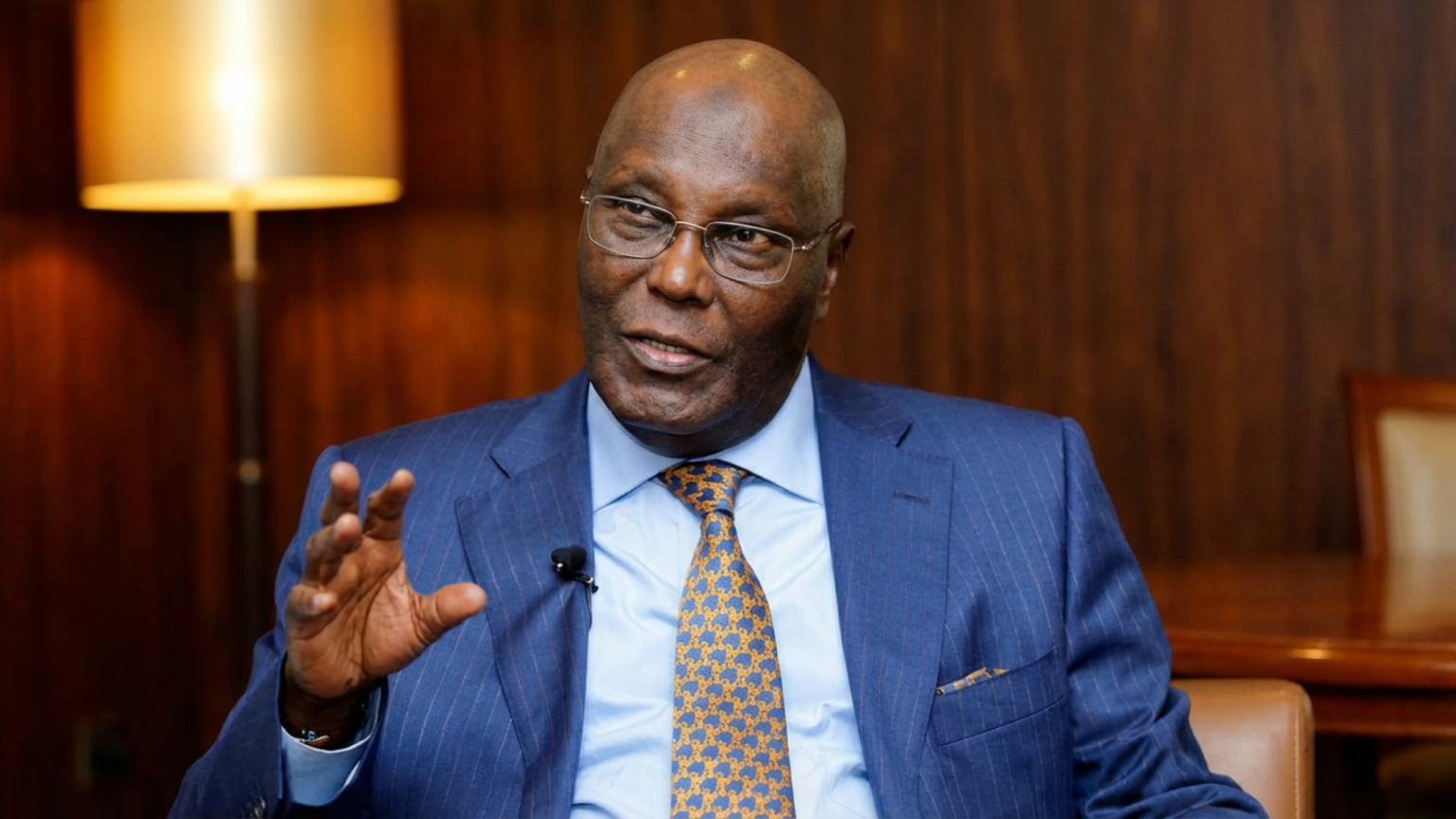
ATIKU, OYE FAULT FRESH LOANS, PRE-ELECTION SPENDING AMID RISING DEBT
Former Vice President Atiku Abubakar and other political voices, including Oye, have criticised the Federal Government's continued borrowing and spending plans, raising concerns about Nigeria's growing debt burden and the financial implications of increased expenditure ahead of the 2027 general elections.
Atiku has repeatedly questioned the Tinubu administration's borrowing strategy, arguing that additional loans could place unnecessary pressure on future governments and limit their ability to finance essential national priorities.
The criticism comes amid growing concerns over Nigeria's debt profile, debt servicing obligations and the impact of government borrowing on public finances.
Atiku has warned that fresh loans could become a burden for an incoming administration, particularly if borrowed funds are not tied to projects capable of generating economic returns and improving citizens' welfare.
Oye also raised concerns about the timing and implications of government spending as political activities gather momentum ahead of the next general elections.
The debate has brought renewed attention to the relationship between public borrowing, election-related expenditure and fiscal responsibility. Critics argue that government spending must be transparent and guided by national development priorities rather than political considerations.
The Federal Government, however, has maintained that borrowing is necessary to finance infrastructure, support economic reforms and address development needs.
With the 2027 elections approaching, the country's debt management strategy and public spending decisions are likely to remain major subjects of political debate.
The central concern is whether Nigeria can sustain additional borrowing while meeting its existing obligations and delivering meaningful economic improvements to citizens.